Open Nav


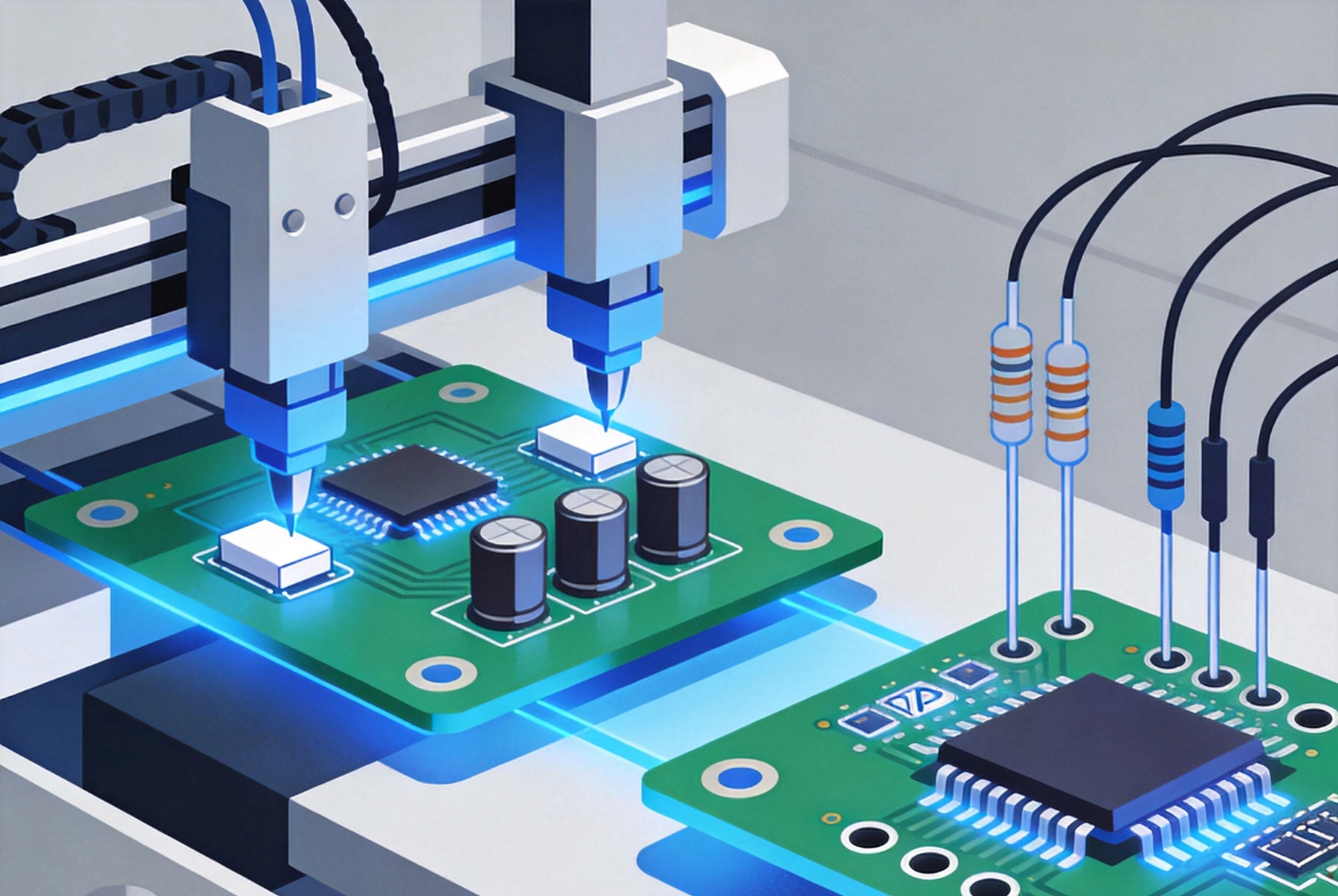
When it comes to building printed circuit boards, two dominant technologies have shaped the electronics manufacturing industry: Surface Mount Technology (SMT) and Through-Hole Technology (THT). These are the two primary methods for mounting electroni...
https://www.low-volume-pcb-assembly.com/news/smt-vs-tht-understanding-the-differences-in-pcb-assembly-technologies/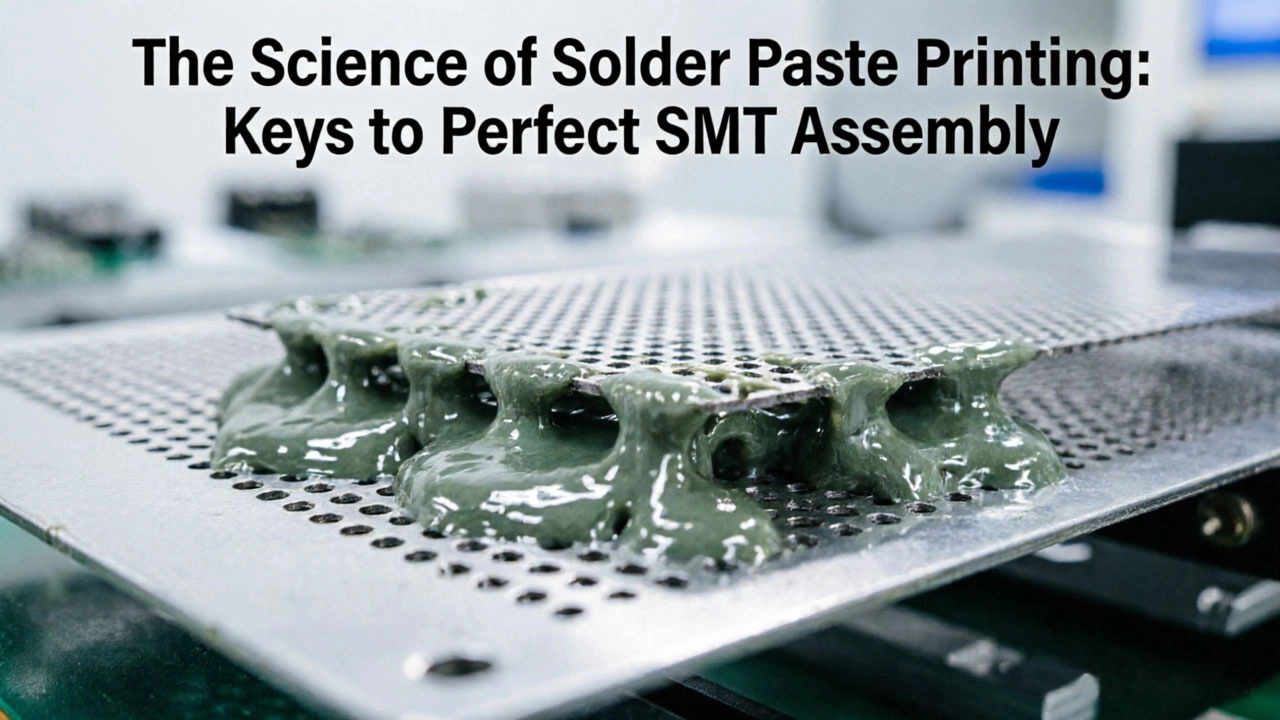
In the highly automated world of Surface Mount Technology (SMT), solder paste printing is universally recognized as the most critical step. Often referred to as the "first line of defense," this process dictates the volume, shape, and placement acc...
https://www.low-volume-pcb-assembly.com/news/the-science-of-solder-paste-printing-keys-to-perfect-smt-assembly-9/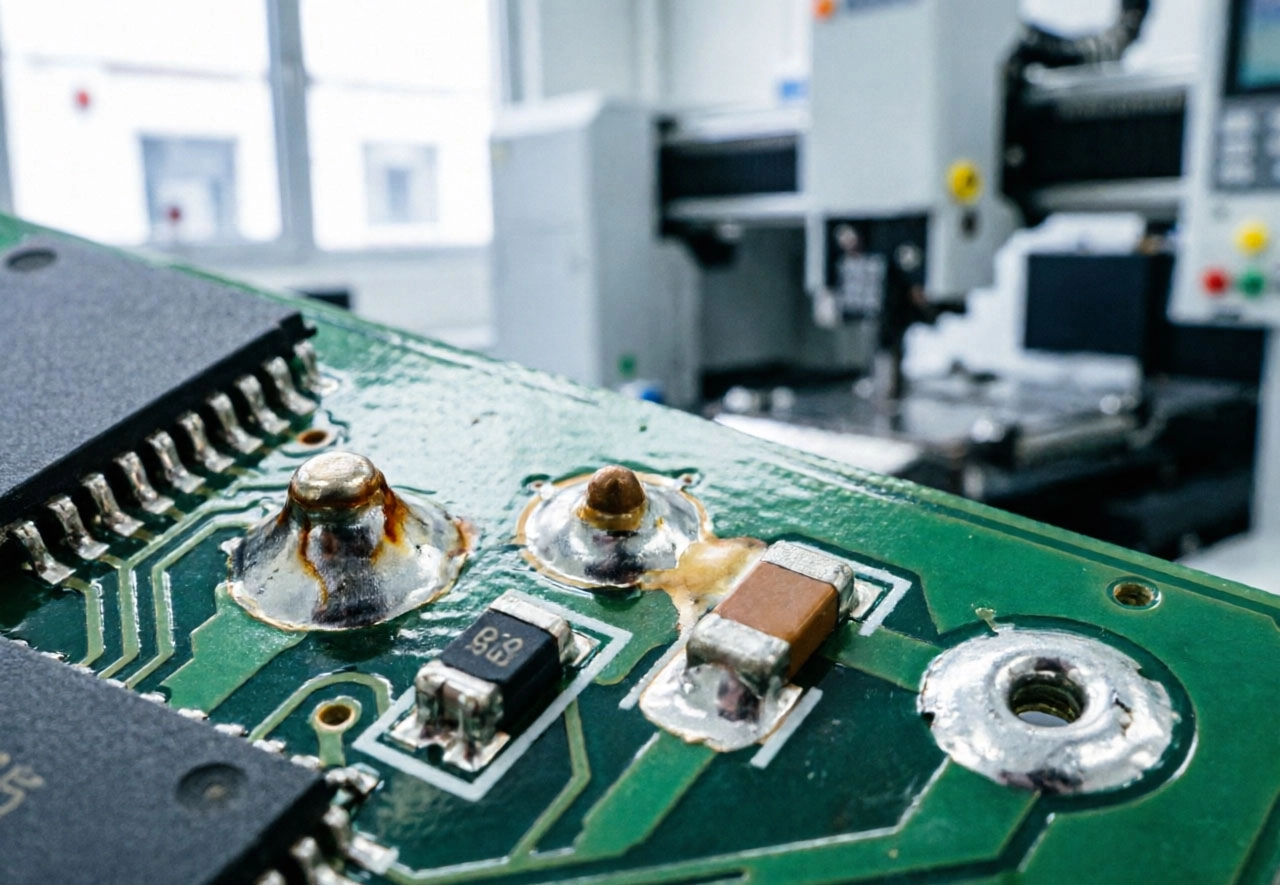
Surface Mount Technology (SMT) has revolutionized electronics manufacturing, enabling the production of compact, high-density electronic devices. However, the precision required in SMT processes introduces various potential defects that can comprom...
https://www.low-volume-pcb-assembly.com/news/common-smt-defects-and-how-to-prevent-them-in-your-design/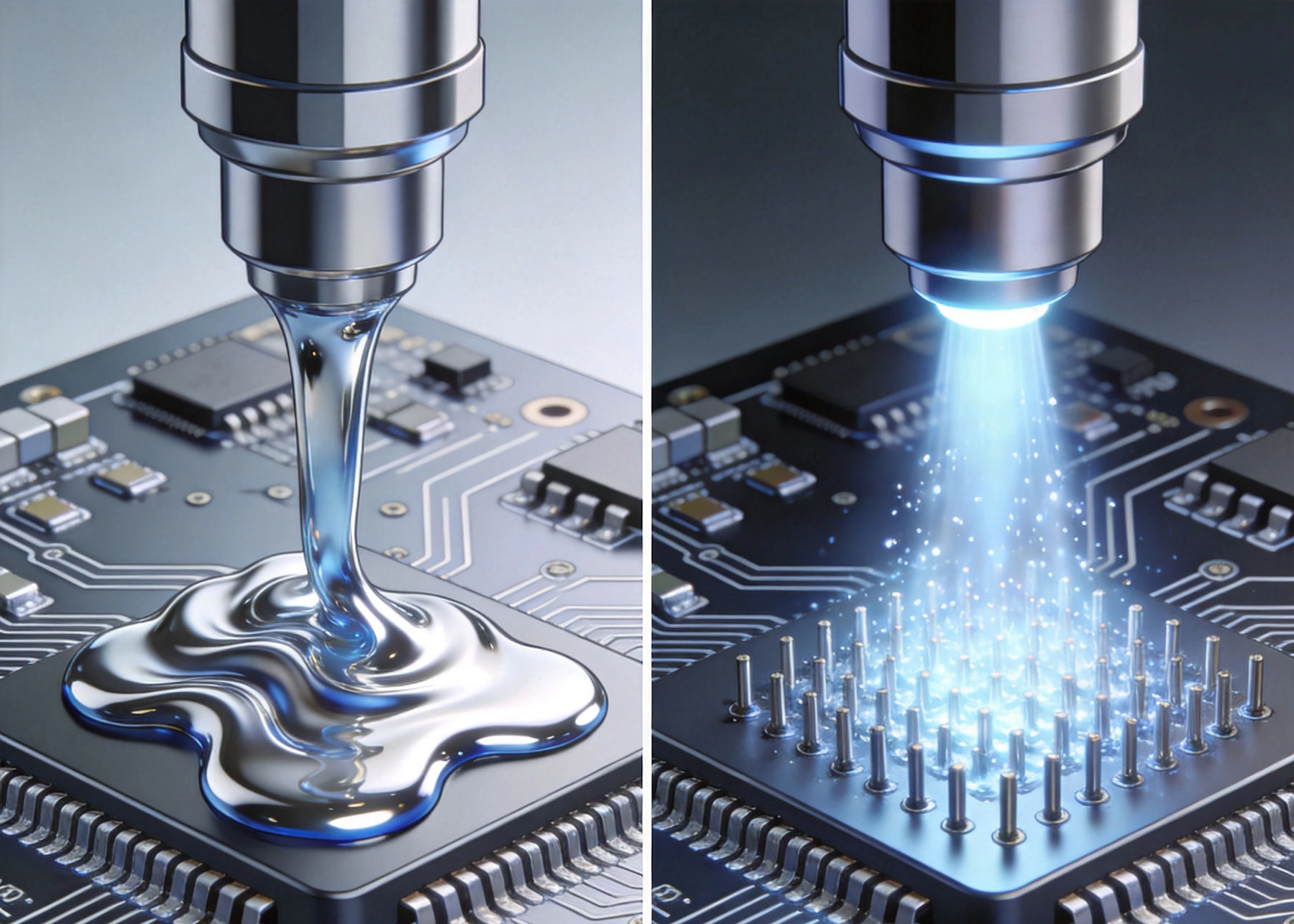
Through-hole technology hasn't disappeared from electronics manufacturing—it just became more specialized. While surface mount dominates most production lines, through-hole components still appear wherever strong mechanical connections matter: auto...
https://www.low-volume-pcb-assembly.com/news/wave-soldering-vs-selective-soldering-for-through-hole-components-which-process-wins/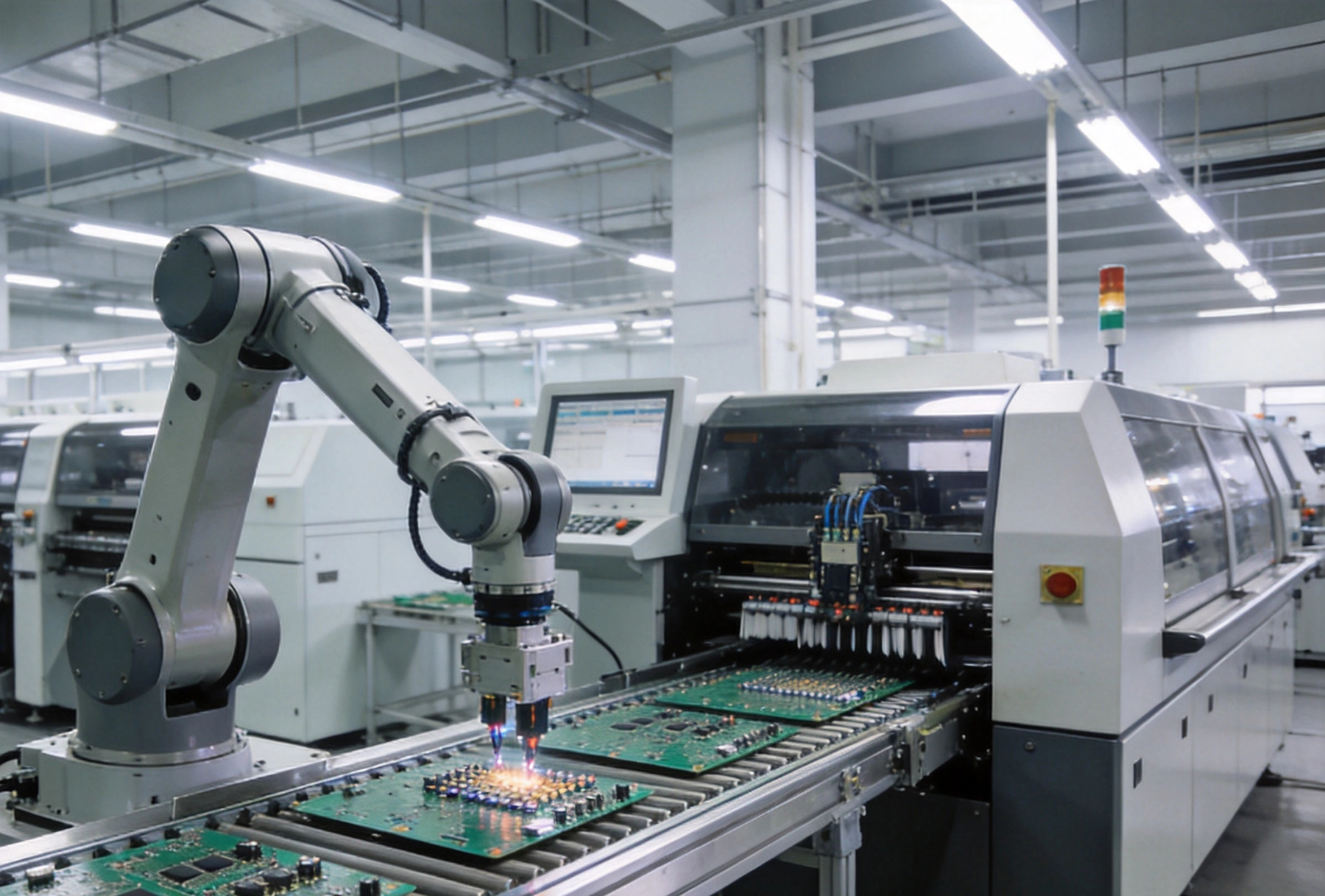
Managing separate vendors for PCB fabrication and assembly introduces friction at every handoff. Files get lost in translation. DFM feedback arrives too late. Rework gets shuffled between facilities. And when something goes wrong, pointing fingers ...
https://www.low-volume-pcb-assembly.com/news/streamlining-production-with-integrated-pcb-fabrication-and-assembly/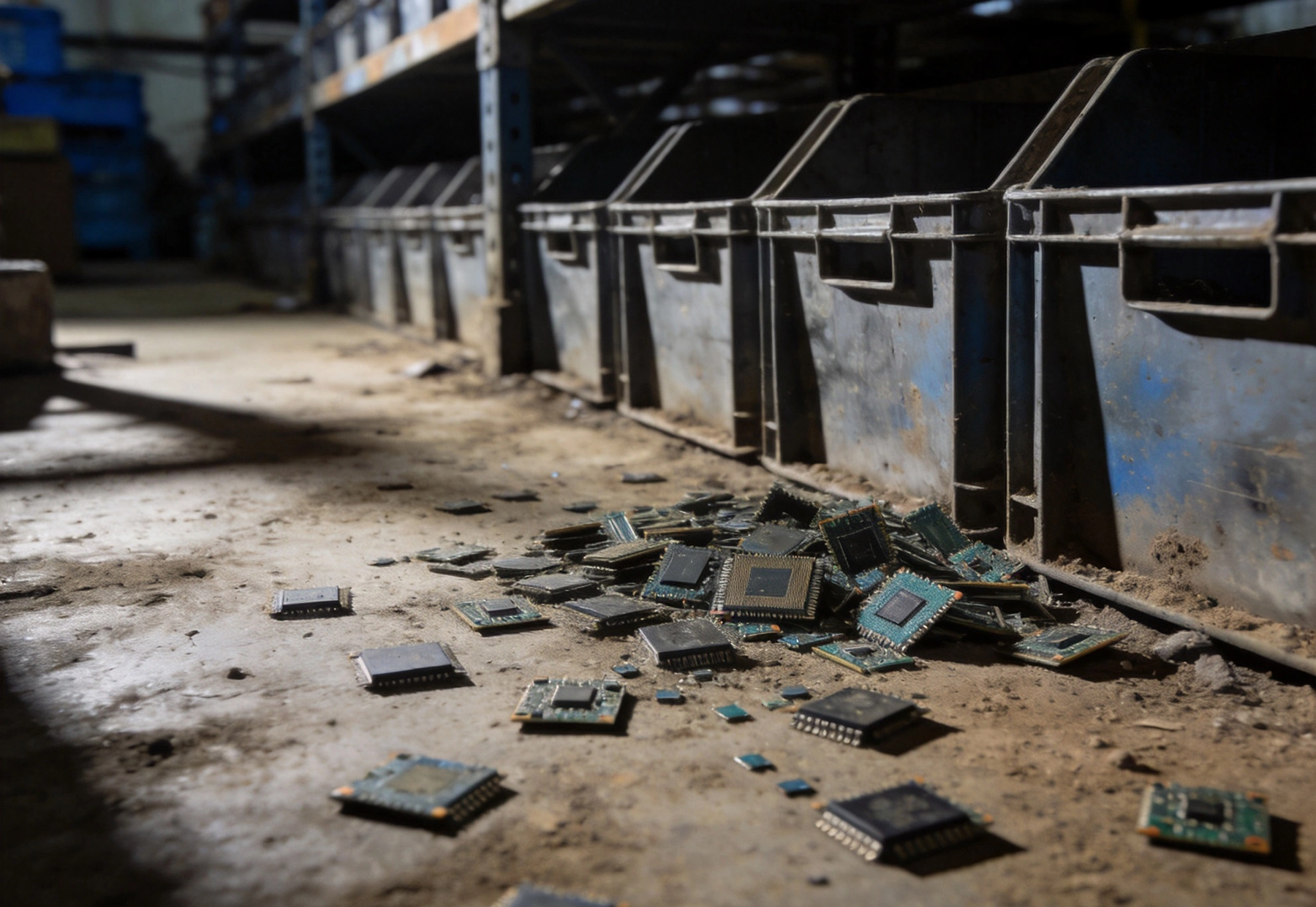
The global semiconductor shortage, which began disrupting supply chains in earnest around 2020, has fundamentally reshaped the electronics manufacturing landscape. What started as a pandemic-induced bottleneck in automotive production quickly casca...
https://www.low-volume-pcb-assembly.com/news/how-the-global-chip-shortage-is-impacting-pcb-assembly-services/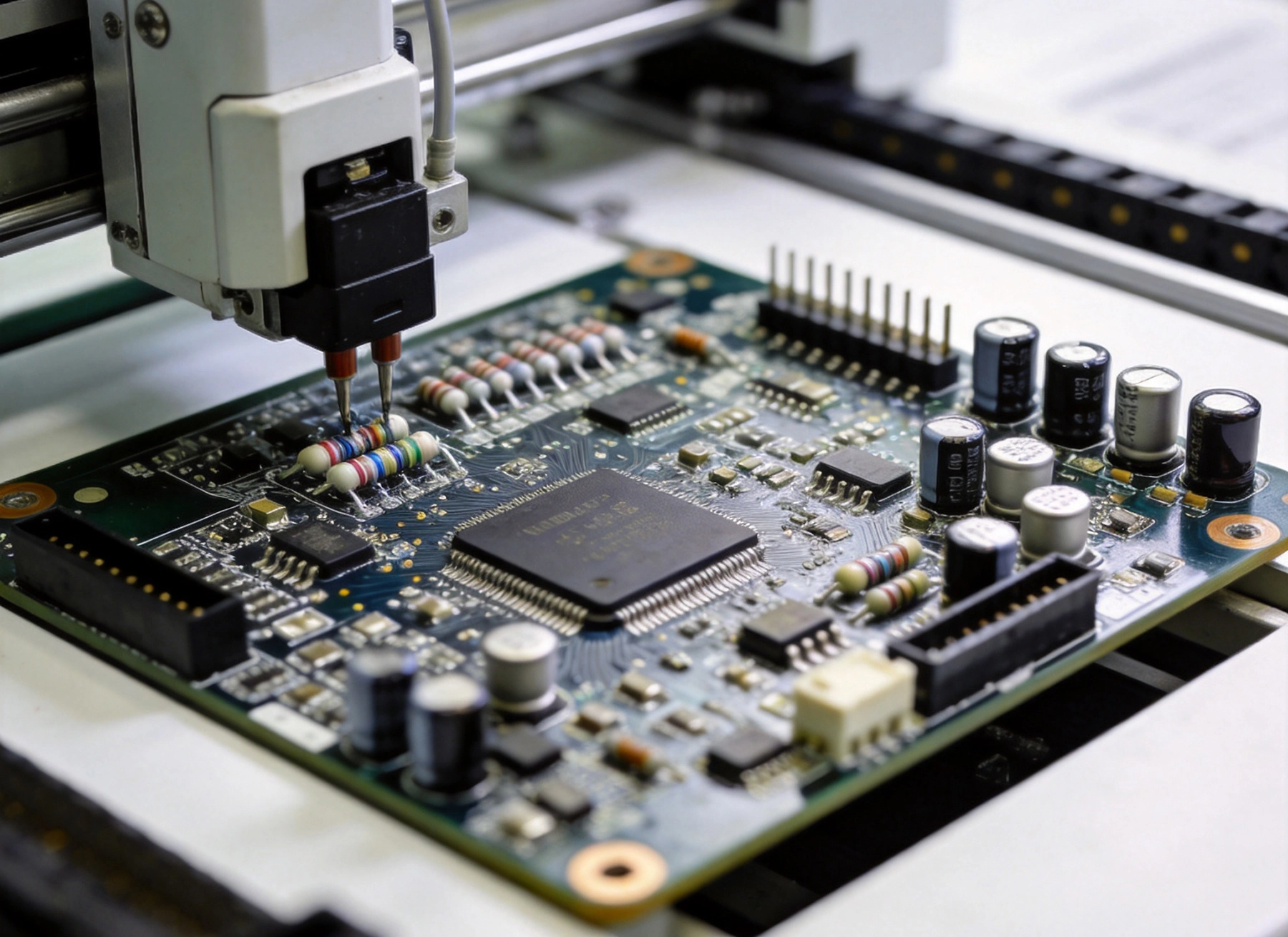
Component spacing represents one of the most critical design considerations in printed circuit board (PCB) assembly, directly affecting manufacturing yield, assembly efficiency, and overall production costs. Proper spacing between components ensure...
https://www.low-volume-pcb-assembly.com/news/optimizing-component-spacing-for-efficient-pcb-assembly/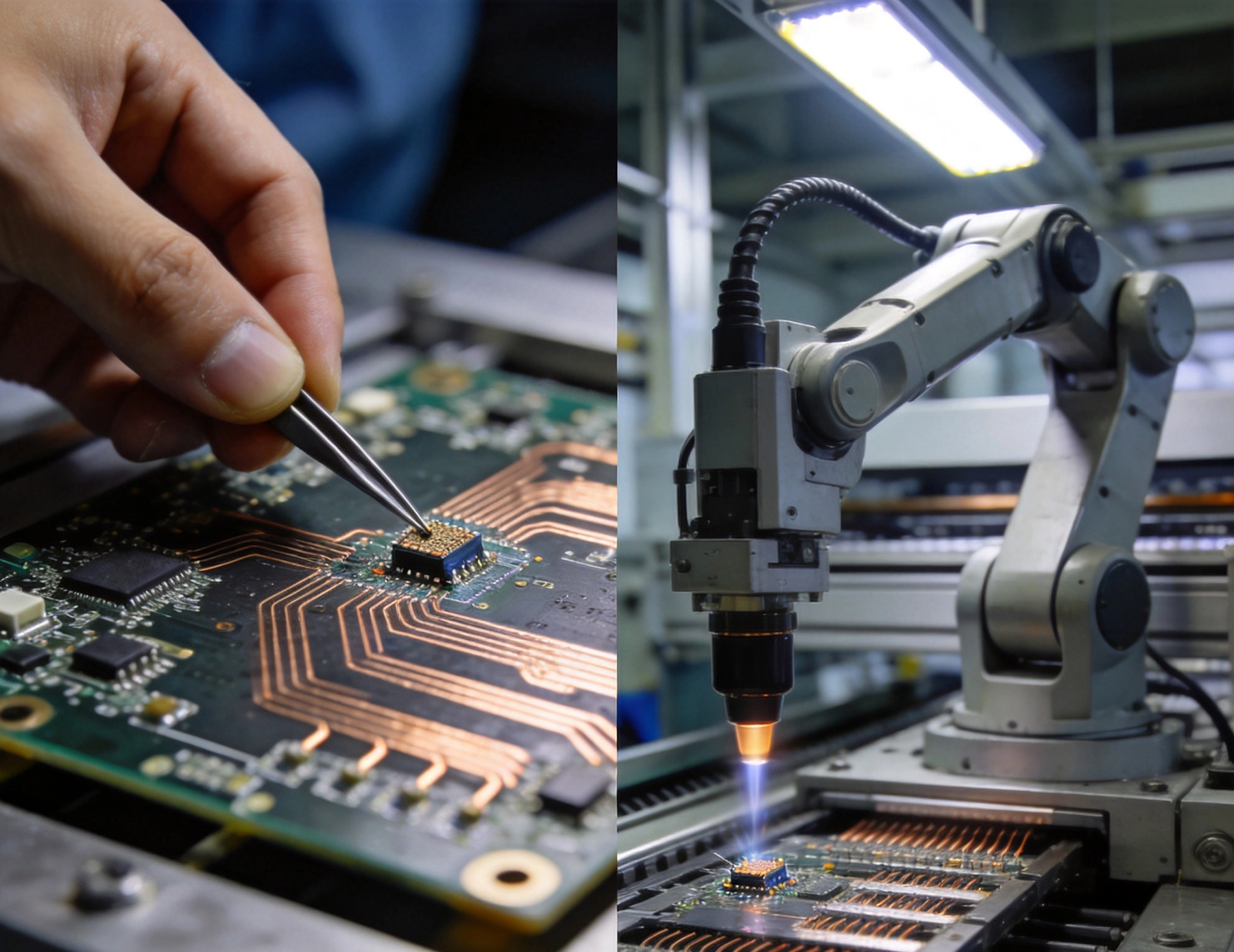
Every electronics project reaches a decision point: should this board be assembled by hand or by machine? It's a question that sounds simple but carries real consequences. Choose wrong, and you either overpay for a project that didn't need automati...
https://www.low-volume-pcb-assembly.com/news/manual-vs-automated-pcb-assembly-when-to-use-which/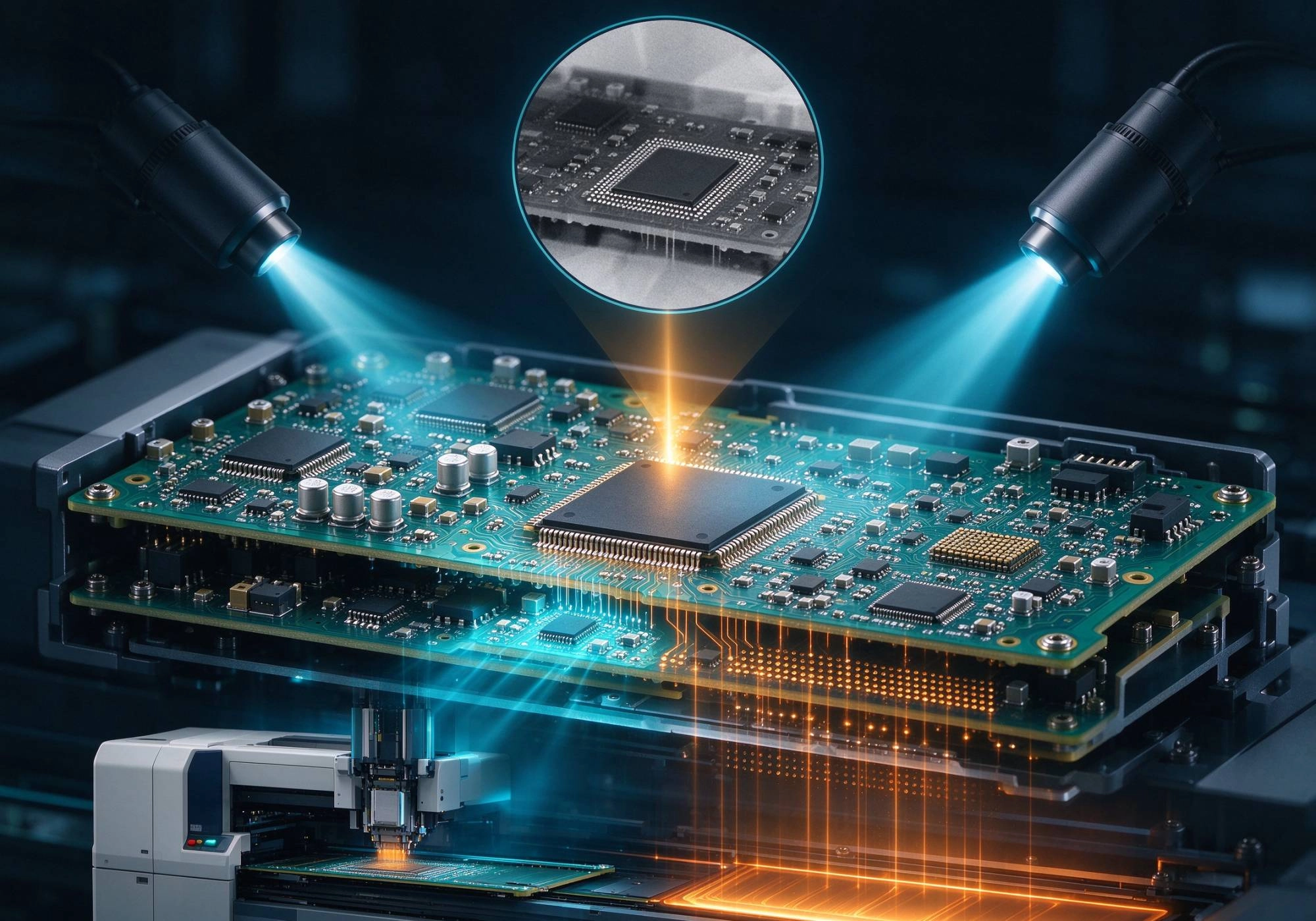
In the fast-paced world of electronics manufacturing, the margin for error is virtually non-existent. A single misplaced component or a microscopic soldering defect can render a high-cost device useless. This is why implementing rigorous Quality As...
https://www.low-volume-pcb-assembly.com/news/quality-assurance-across-the-entire-turnkey-pcb-assembly-process/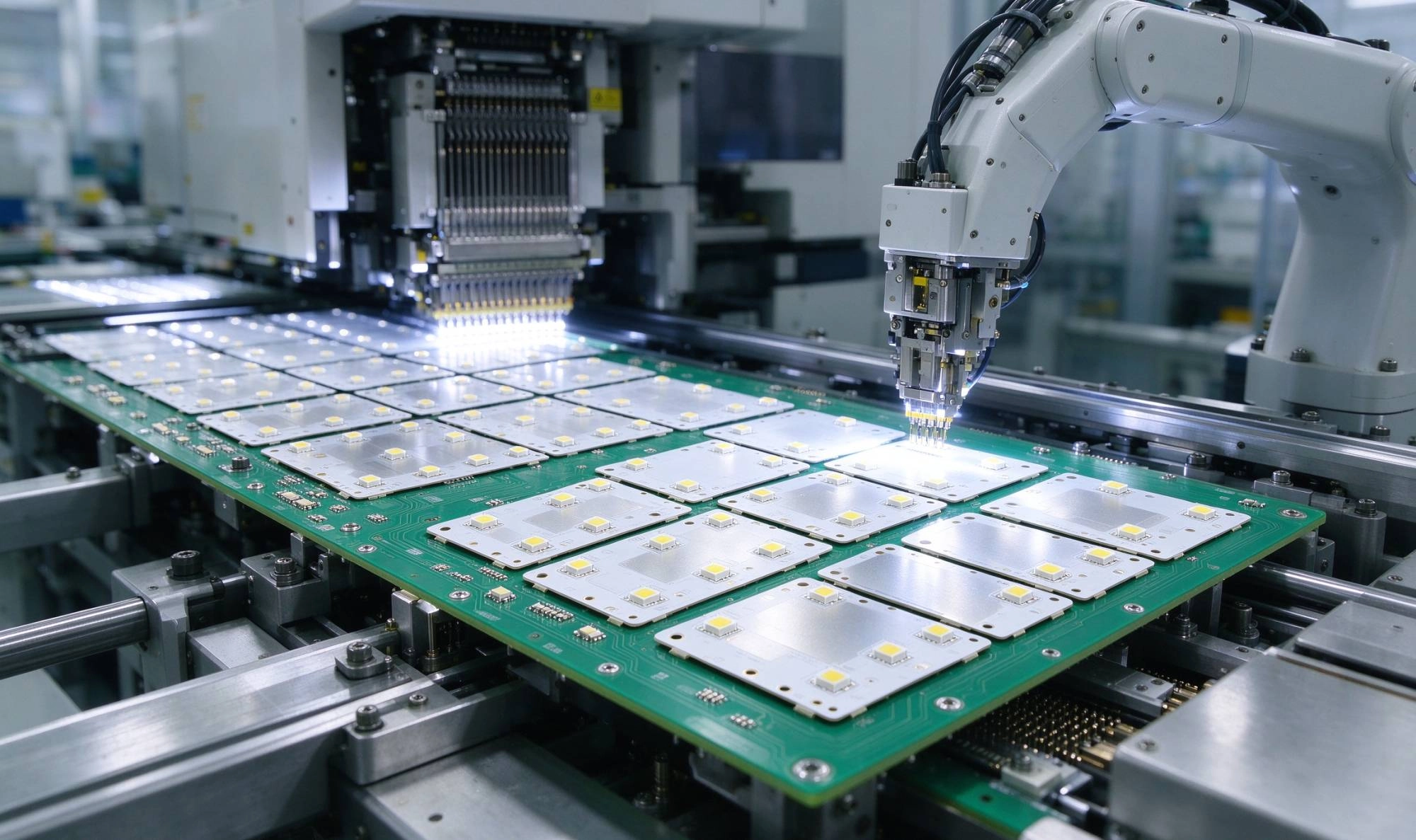
LED lighting has fundamentally transformed how we illuminate commercial spaces, industrial facilities, and residential environments. The efficiency gains are well documented: LEDs consume up to 75 percent less energy than incandescent alternatives ...
https://www.low-volume-pcb-assembly.com/news/led-lighting-solutions-metal-core-pcb-assembly-expertise/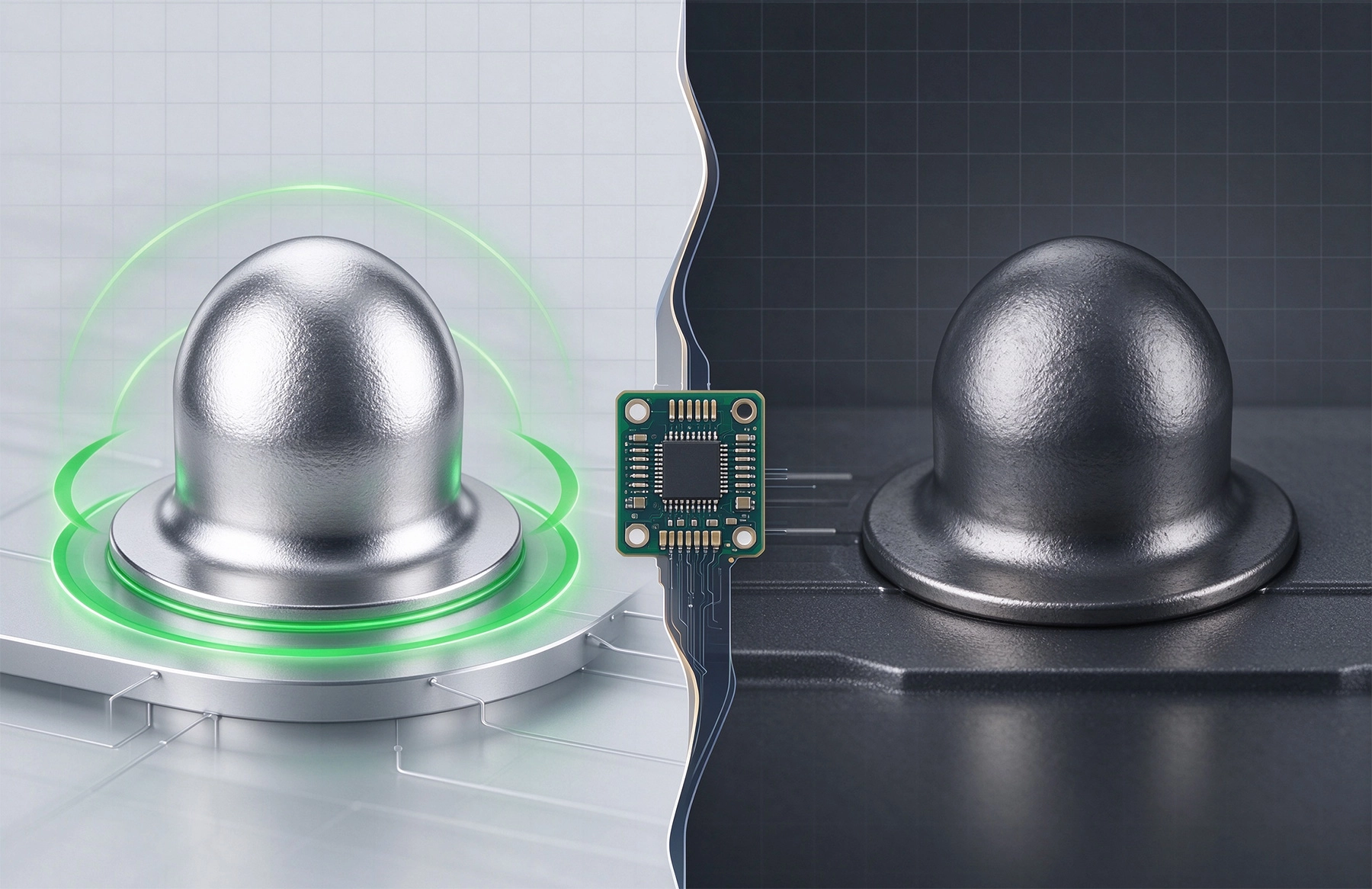
Every PCB assembly decision eventually runs into the same fork in the road: leaded or lead-free solder? For decades, tin-lead alloys were the default choice in electronics manufacturing — reliable, well-understood, and easy to work with. Then envir...
https://www.low-volume-pcb-assembly.com/news/the-pros-and-cons-of-lead-free-vs-leaded-solder-in-assembly/