Open Nav


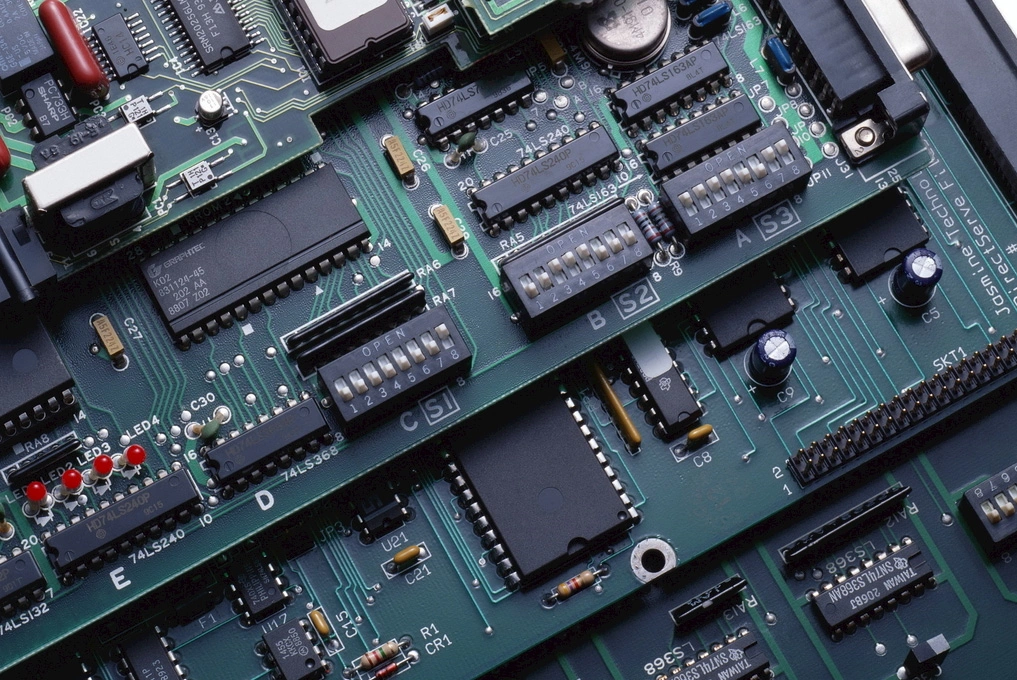
Low Volume PCB Assembly refers to the manufacturing process of producing small quantities of printed circuit board assemblies, typically ranging from 1 to 1000 units. This service is specifically designed for projects that do not require mass production volumes, filling the gap between prototype development and full-scale manufacturing.
Unlike high-volume production runs that often have minimum order quantities (MOQ), low volume assembly offers exceptional flexibility. It is ideal for: hardware startups validating product designs, engineering teams testing new prototypes, niche market products with limited demand, and custom or specialized electronic devices.
Key advantages include faster turnaround times (usually 5-15 days), lower upfront costs, the ability to iterate and refine designs quickly, and no pressure to commit to large inventory. Most low volume assembly providers offer full turnkey solutions, including PCB fabrication, component sourcing, assembly, and quality testing—streamlining the entire process for customers.
This service is particularly valuable in today's fast-paced tech environment, where speed-to-market and design flexibility often determine a product's success. Whether you're launching a Kickstarter project, developing a custom industrial controller, or testing a new IoT device, low volume PCB assembly provides a cost-effective and efficient path from concept to physical product.
Turnkey PCB Assembly Solutions
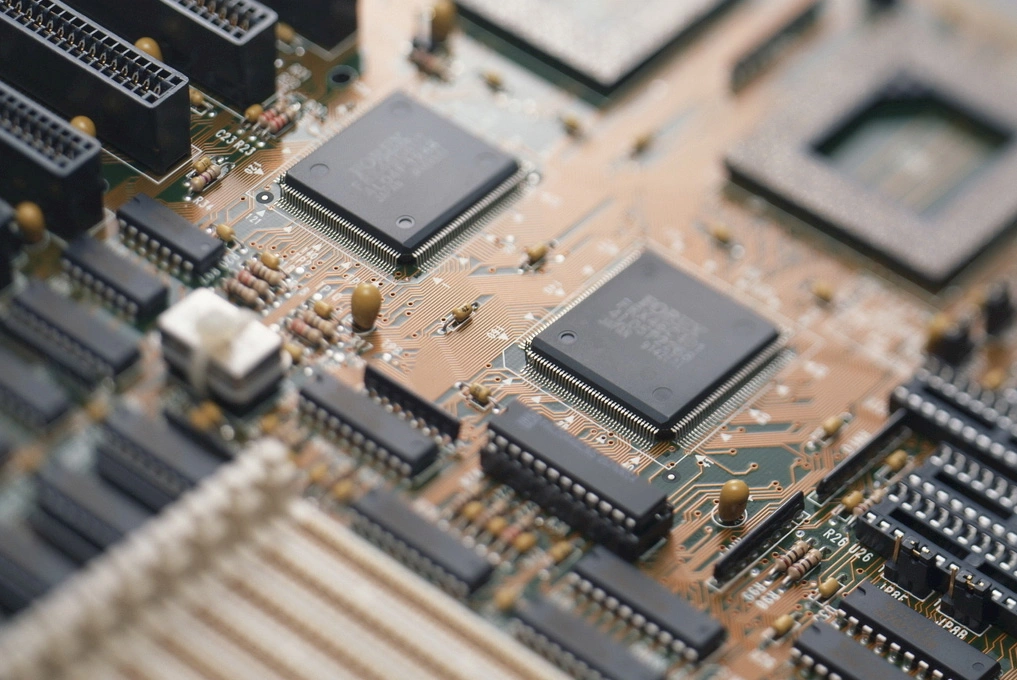
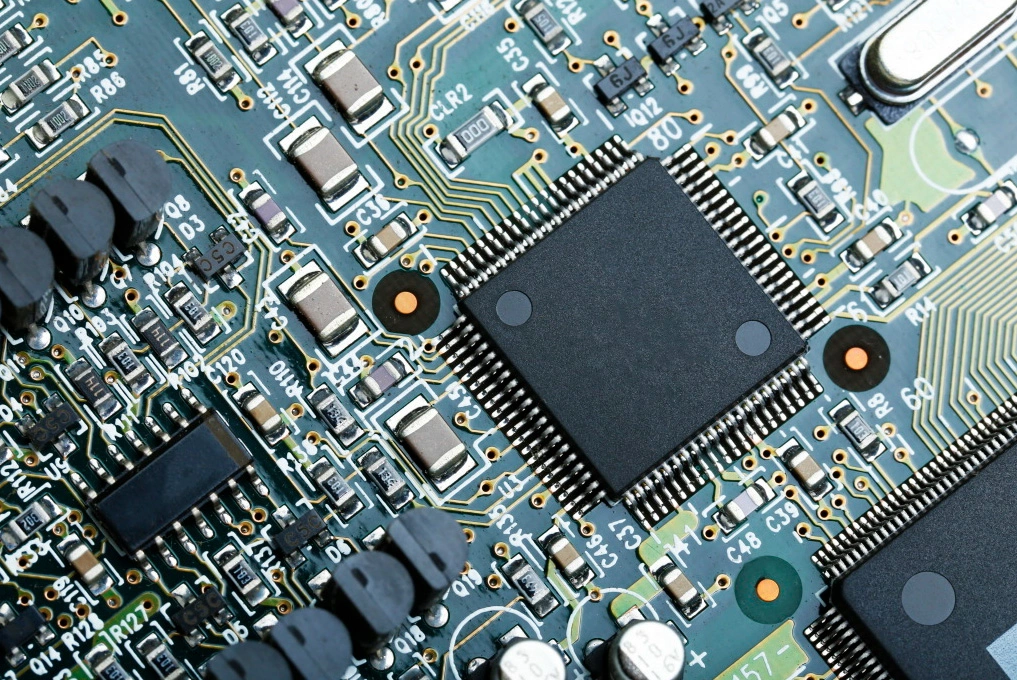
SMT Assembly: We handle component sizes from 0201 (0.6mm × 0.3mm) up to large package sizes, including fine-pitch QFP, QFN, BGA, and uBGA with pitch as fine as 0.3mm. Our high-speed pick-and-place machines deliver precise placement accuracy of ±25μm, ensuring reliable assembly even for the most densely populated boards.
Through-Hole & Mixed Technology: We offer wave soldering for through-hole components and expert hand soldering for specialized or mixed-technology boards. This capability is particularly valuable for industrial and power electronics requiring both SMT and DIP components.
Board Specifications: We assemble PCBs from 1 to 32 layers, supporting board sizes from 10mm × 10mm mini-boards up to 500mm × 400mm large panels. We work with all standard PCB materials including FR-4, aluminum-backed, and high-TG substrates.
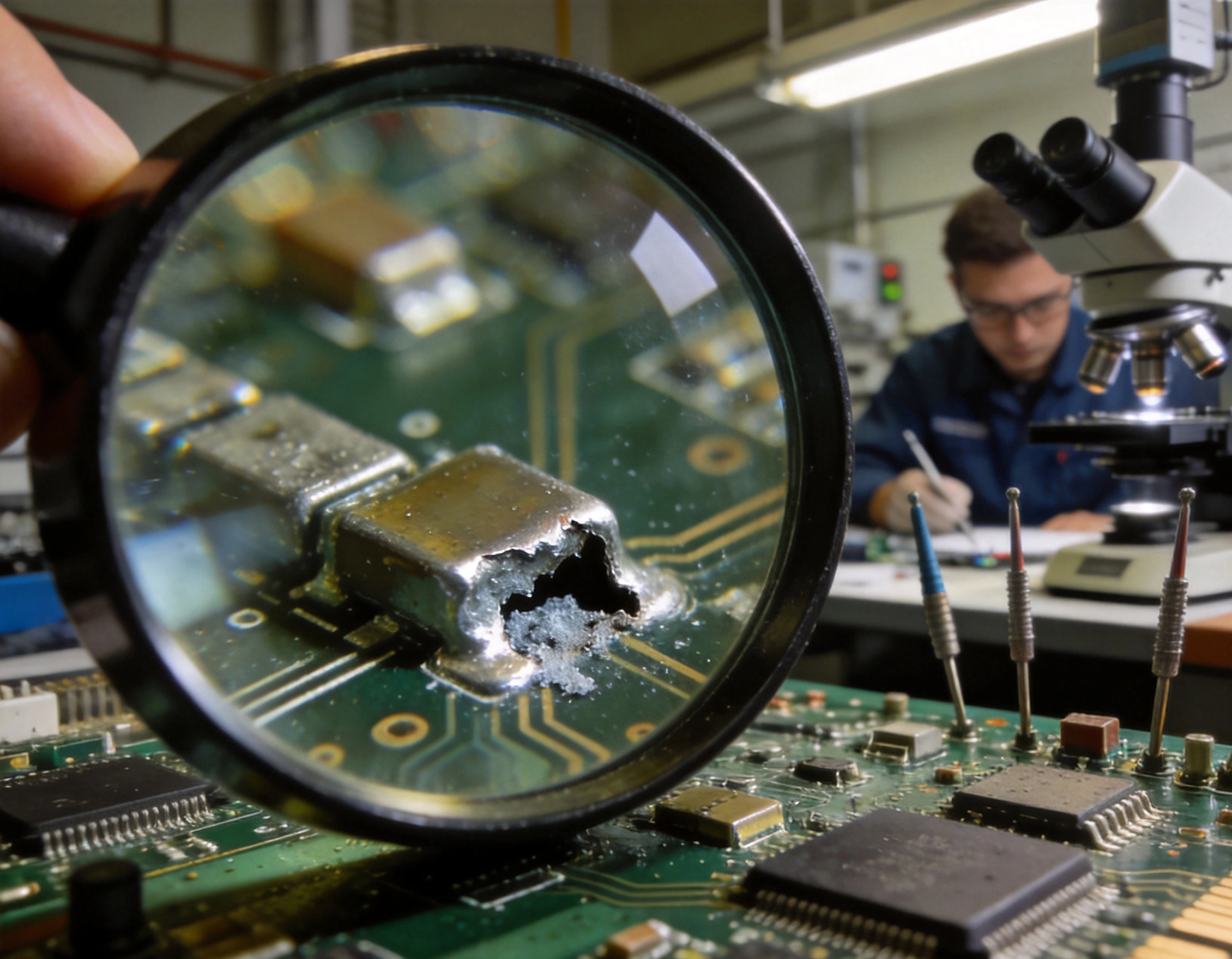
Quality Inspection: Every assembly undergoes rigorous testing including Automated Optical Inspection (AOI), X-Ray inspection for hidden BGA and QFN joints, in-circuit testing (ICT), and functional testing (FCT) as required. Our processes adhere to IPC-A-610 Class 2 and Class 3 standards, and we maintain ISO 9001:2015 certification.
Stay up to date with the latest product information and company news.
Ball Grid Array (BGA) packages remain among the most challenging components to service once mounted on a printed circuit board. When a BGA component develops connection problems—whether from solder joint failure, pad damage, or thermal stress—engineers and technicians often face a critical decisio...
September/24/2026Every electronics company eventually faces the same decision: should we keep PCB assembly in-house or outsource to a contract manufacturer? The answer isn't always obvious. Building a business case requires more than comparing quotes—it demands a thorough understanding of the total cost of ownersh...
September/24/2026When sourcing printed circuit board assemblies (PCBAs) for your electronic product, one of the most critical specifications to define is the IPC class rating. Defined by the Association Connecting Electronics Industries (IPC) in the IPC-A-610 standard, these classes define the acceptability criter...
September/24/2026Every smartphone you hold, every car dashboard that lights up, and every medical device that monitors a patient's vital signs shares a common foundation: PCBA, or Printed Circuit Board Assembly. This technology forms the invisible backbone of virtually all modern electronic devices, transforming r...
September/24/2026