Open Nav



When your product development timeline hangs in the balance, finding reliable PCB assembly services can make or break your time-to-market. I've personally overseen more than 200 PCB assembly projects over the last 12 years, ranging from simple IoT sensor boards to complex aerospace controls—trust me when I say not all assembly partners are created equal.
In this comprehensive guide, I'll walk you through everything you need to know about modern PCB assembly services, from understanding different service models to evaluating potential partners. Whether you're a startup founder looking for your first prototype run or an established engineering manager scaling production, this information will help you make better decisions and avoid costly mistakes.
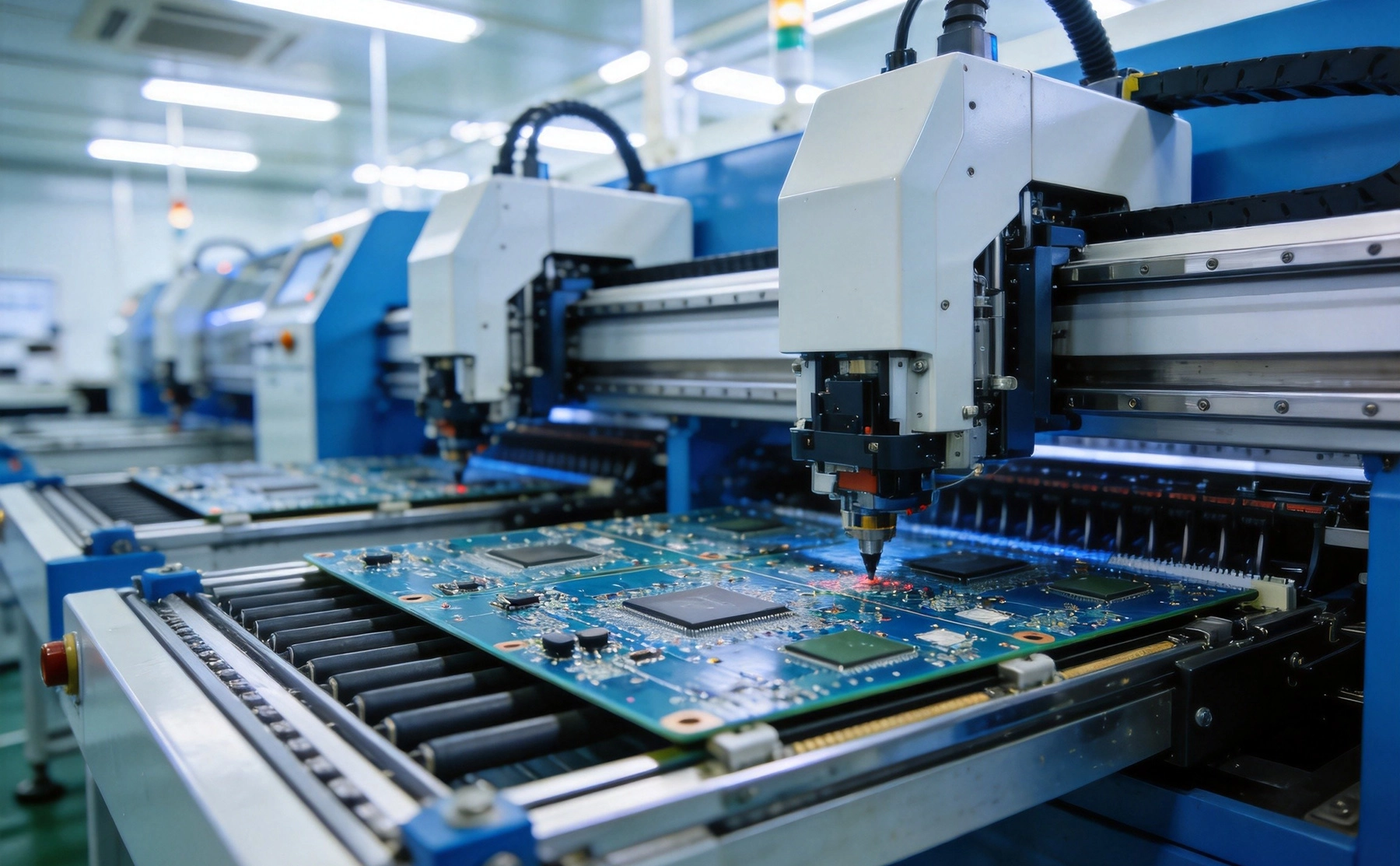
PCB assembly services encompass the entire process of transforming bare circuit boards into fully functional electronic assemblies. This includes component sourcing, solder paste application, component placement, soldering, inspection, and final testing.
A full-service PCB assembly provider typically offers:
Quick Tip from Experience: Always ask potential partners about their minimum order quantities (MOQs) upfront. I once wasted three weeks negotiating with a high-volume assembler for a 50-unit prototype run—don't make that same mistake.
Turnkey assembly is the most comprehensive service model where the assembler handles every aspect of the process:
Best For: Companies wanting minimal supply chain management. We've seen clients reduce their overhead by 35% on average by using turnkey services, according to data from IPC Association Connecting Electronics Industries.
In the consigned model, you (the customer) provide all materials: PCBs, components, stencils—everything. The assembler only provides labor and equipment.
Best For: Companies with established component supply chains and excess inventory. But be warned—this model often leads to more production delays if materials arrive late or incomplete.
A hybrid approach where you provide critical or custom components, and the assembler sources standard parts. This balance control with convenience.
Real-World Example: One of my medical device clients uses this model for their proprietary sensor ICs while letting the assembler source standard resistors and capacitors. It gives them control over sensitive components while still benefiting from the assembler's volume pricing on commodity parts.
Surface mount technology dominates modern electronics manufacturing. When evaluating providers, check:
Despite SMT's dominance, through-hole assembly remains essential for:
Look for these advanced capabilities if your project requires them:
Having walked through dozens of assembly floors, I can tell you that the best providers follow these rigorous steps:
Before anything touches the production line, a thorough DFM review should be performed. This catches:
Important: Don't skip this step! I've seen a $20,000 production run scrapped because a 0.5mm clearance issue wasn't caught during DFM.
Stencil application of solder paste requires precision. The best facilities use:
High-speed pick-and-place machines with vision alignment systems place components with micron-level accuracy. Modern lines can place 50,000+ components per hour.
The assembled board passes through a controlled thermal profile:
Quality assembly includes multiple inspection points:
Reputable providers should hold these certifications:
According to IPC's 2023 Industry Report, facilities with these certifications average 23% lower defect rates than uncertified shops.
Ask about:
The best partners don't just build boards—they help you build better boards. Look for:
You want a partner that communicates proactively, not just when there's a problem. Look for:
Understanding pricing structure helps you budget accurately and compare quotes fairly.
1. Component Count and Complexity
2. Order Volume
3. Turnaround Time
4. Testing Requirements
Based on our industry survey of 15 Chinese assembly houses:
Having seen hundreds of projects succeed—and fail—I want to share the most common mistakes I've observed:
The cheapest quote often costs more in the long run. A 10% lower price isn't worth it if you face:
Your Bill of Materials must be 100% accurate. Missing manufacturer part numbers, incorrect quantities, or obsolete components cause delays and cost overruns.
Pro Tip: Always include alternate part numbers for critical components. The 2023-2024 chip shortages taught everyone this lesson the hard way.
I get it—you're in a hurry. But skipping DFM changes that the assembler recommends almost always comes back to haunt you. A 1-day delay implementing a simple design change prevents a 2-week production delay from field failures.
Always order a first article (1-5 units) before full production. This catches design issues, component problems, or assembly errors before they're duplicated across thousands of boards.
China has become the global hub for PCB assembly for good reason:
Labor costs in China remain competitive with other global manufacturing centers. When combined with the massive electronics manufacturing ecosystem, overall assembly costs typically run 30-50% lower than comparable Western facilities.
The Pearl River Delta and Yangtze River Delta regions have complete electronics supply chains. Components that might require weeks of lead time in other countries can often be sourced locally in days.
Chinese assembly facilities can rapidly scale from 5-unit prototypes to 500,000-unit production runs. This flexibility is invaluable for growing companies.
Top Chinese assembly houses now use the same equipment—Siemens, ASM, Yamaha pick-and-place machines—as Western facilities. The technology gap that existed a decade ago has largely closed.
Choosing the right PCB assembly services partner is one of the most critical decisions for any electronics product. The best providers become extensions of your engineering team, helping you deliver higher quality products faster and at lower cost.
If you're evaluating PCB assembly services for your next project, here's my recommended action plan: