Open Nav



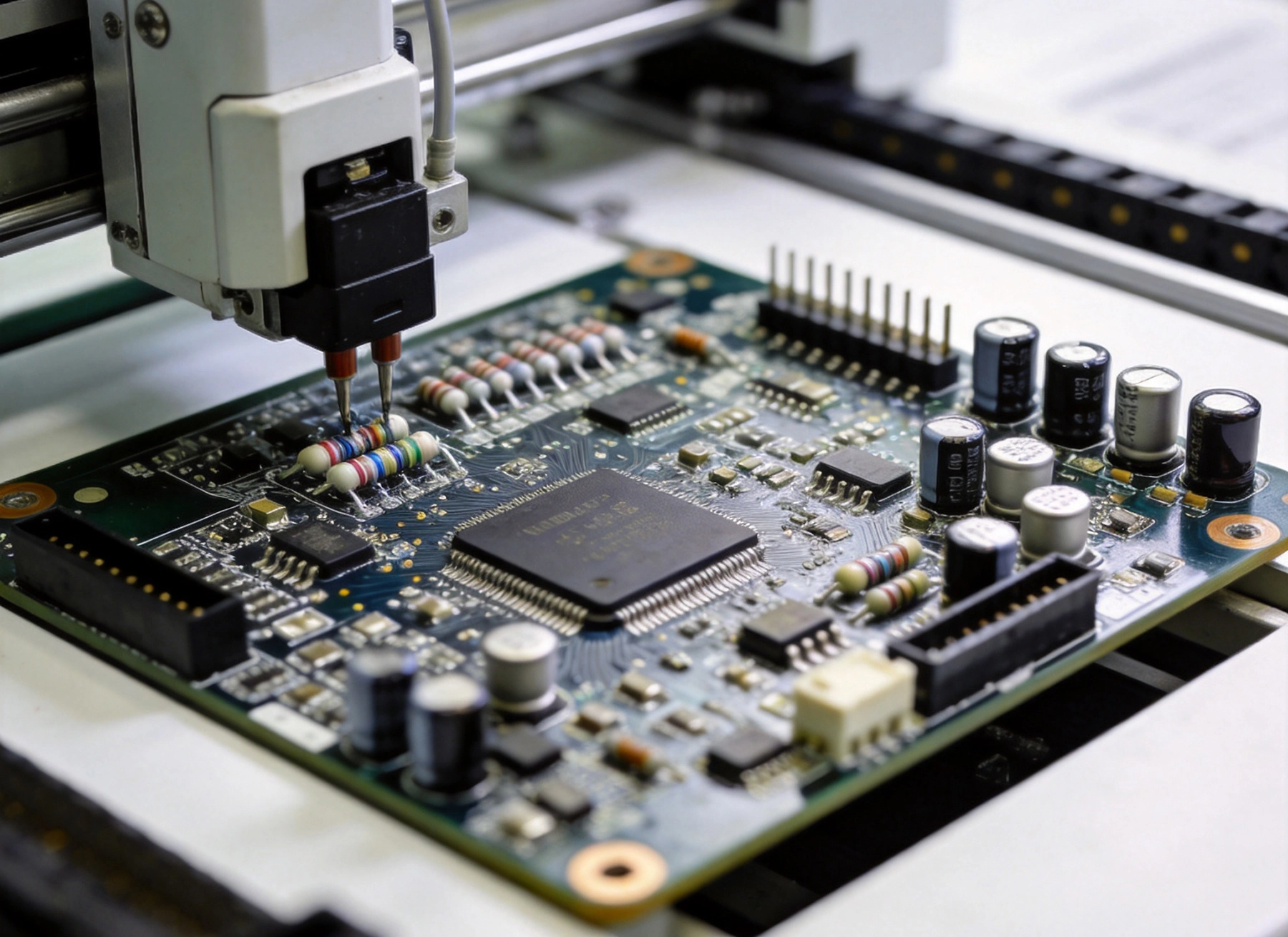
Component spacing represents one of the most critical design considerations in printed circuit board (PCB) assembly, directly affecting manufacturing yield, assembly efficiency, and overall producti...
102026-09
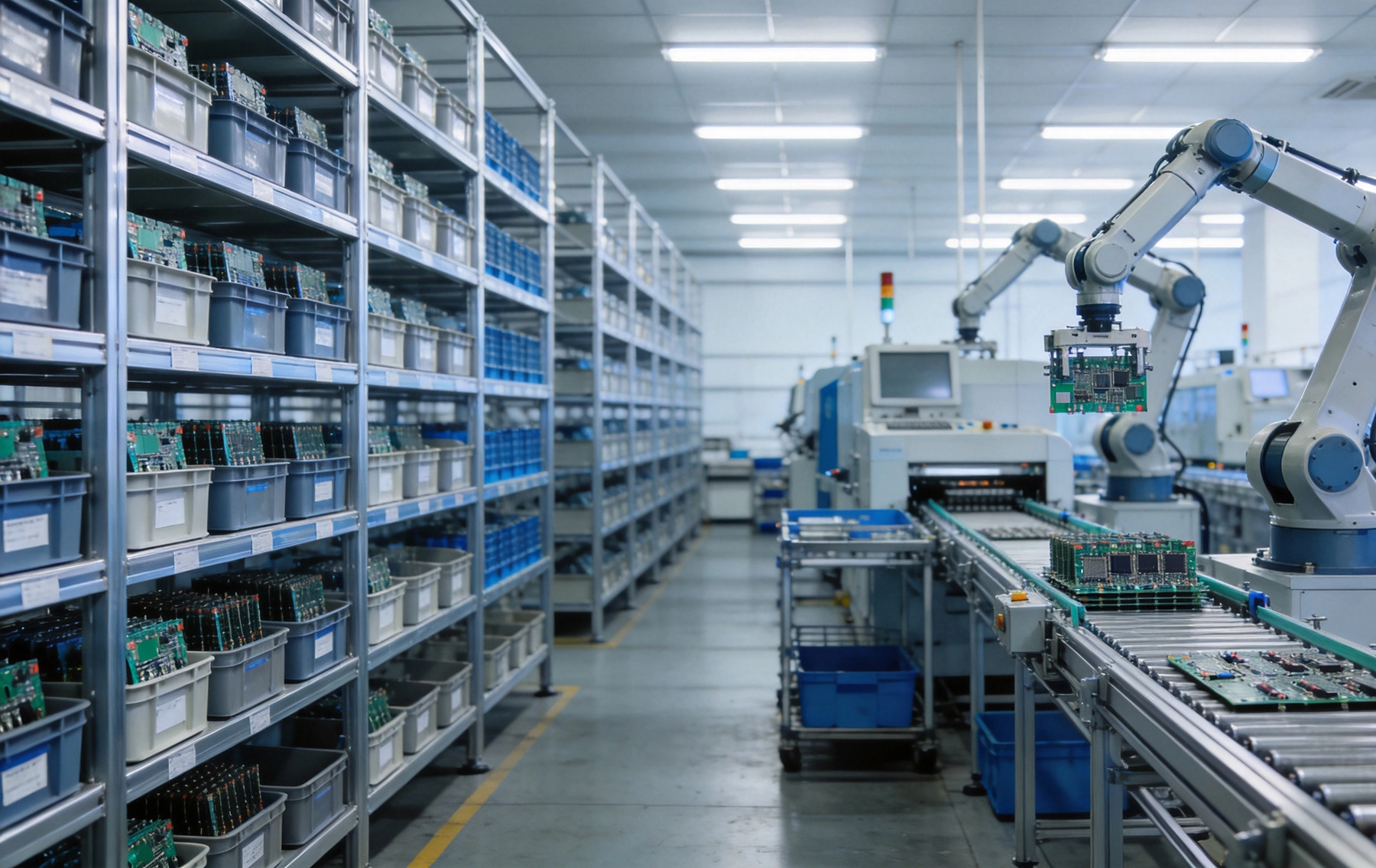
Managing an electronics product supply chain has never been more complex. From sourcing components to coordinating multiple manufacturers, the traditional approach to PCB production often involves j...
092026-09
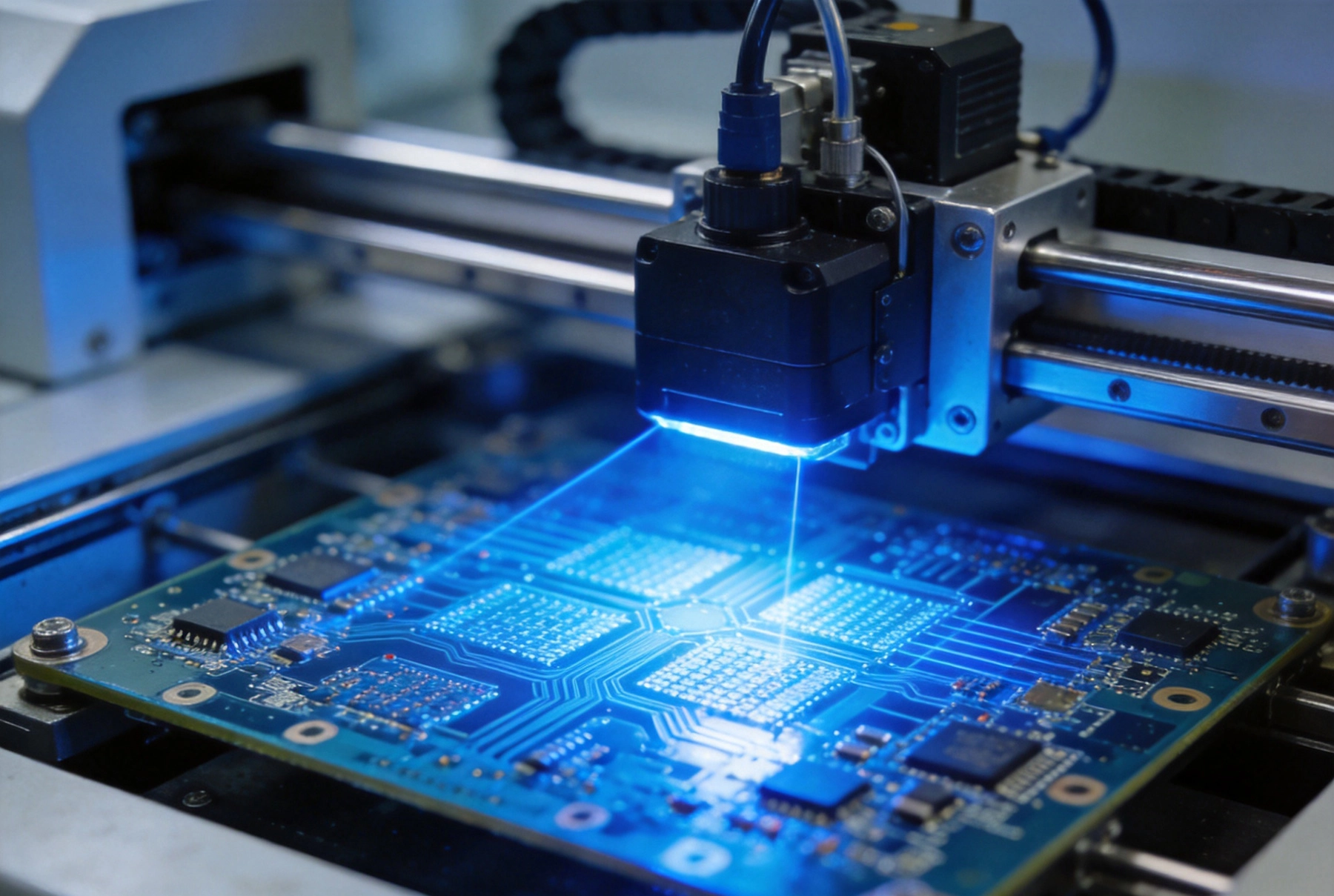
Solder paste inspection, commonly abbreviated as SPI, is one of the most impactful inline quality control technologies in the modern SMT assembly line. Positioned immediately after the paste printin...
082026-09
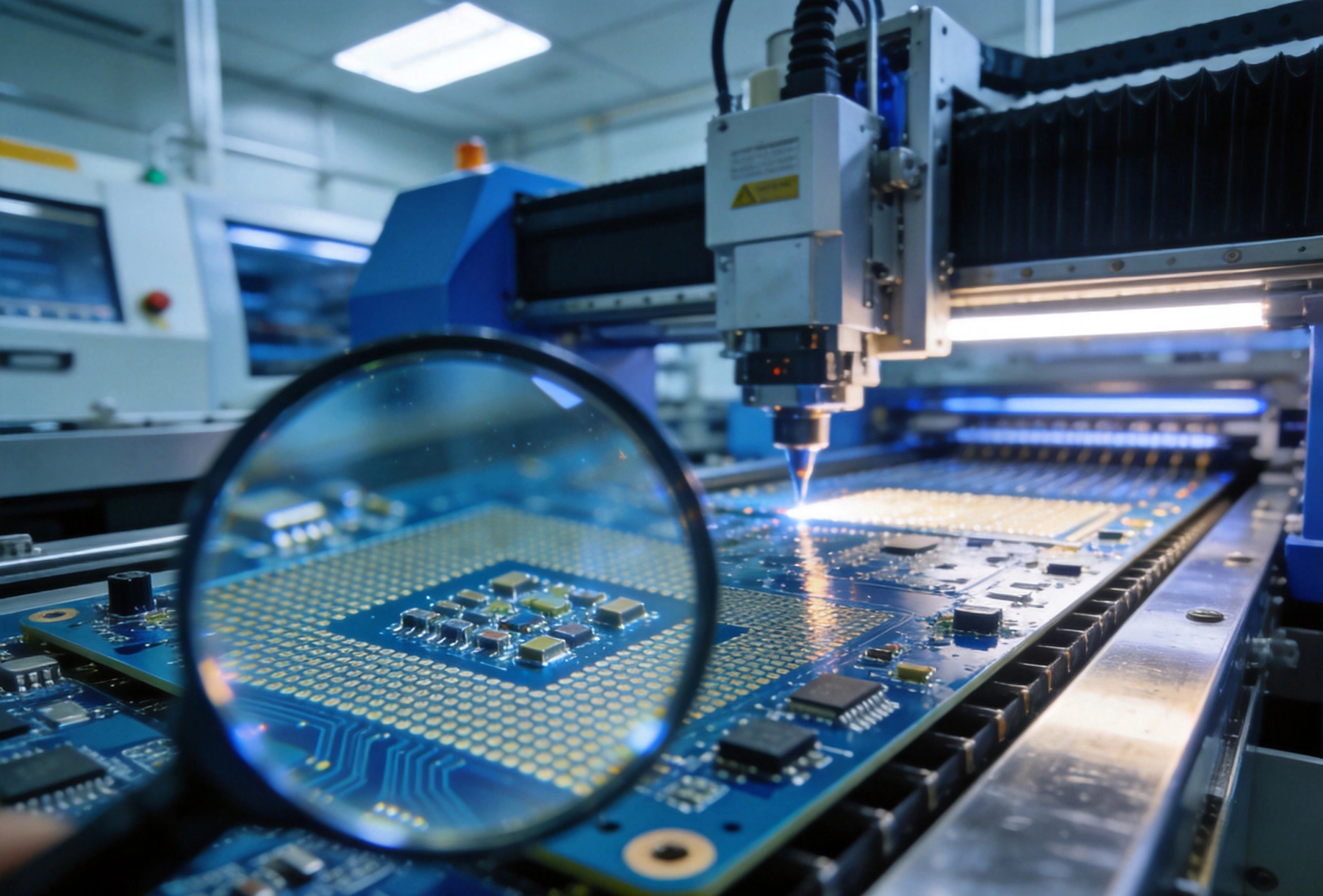
Placing your first PCB assembly order can feel overwhelming when you encounter unfamiliar terminology. Engineers, procurement specialists, and startup founders often discover that understanding the ...
072026-09
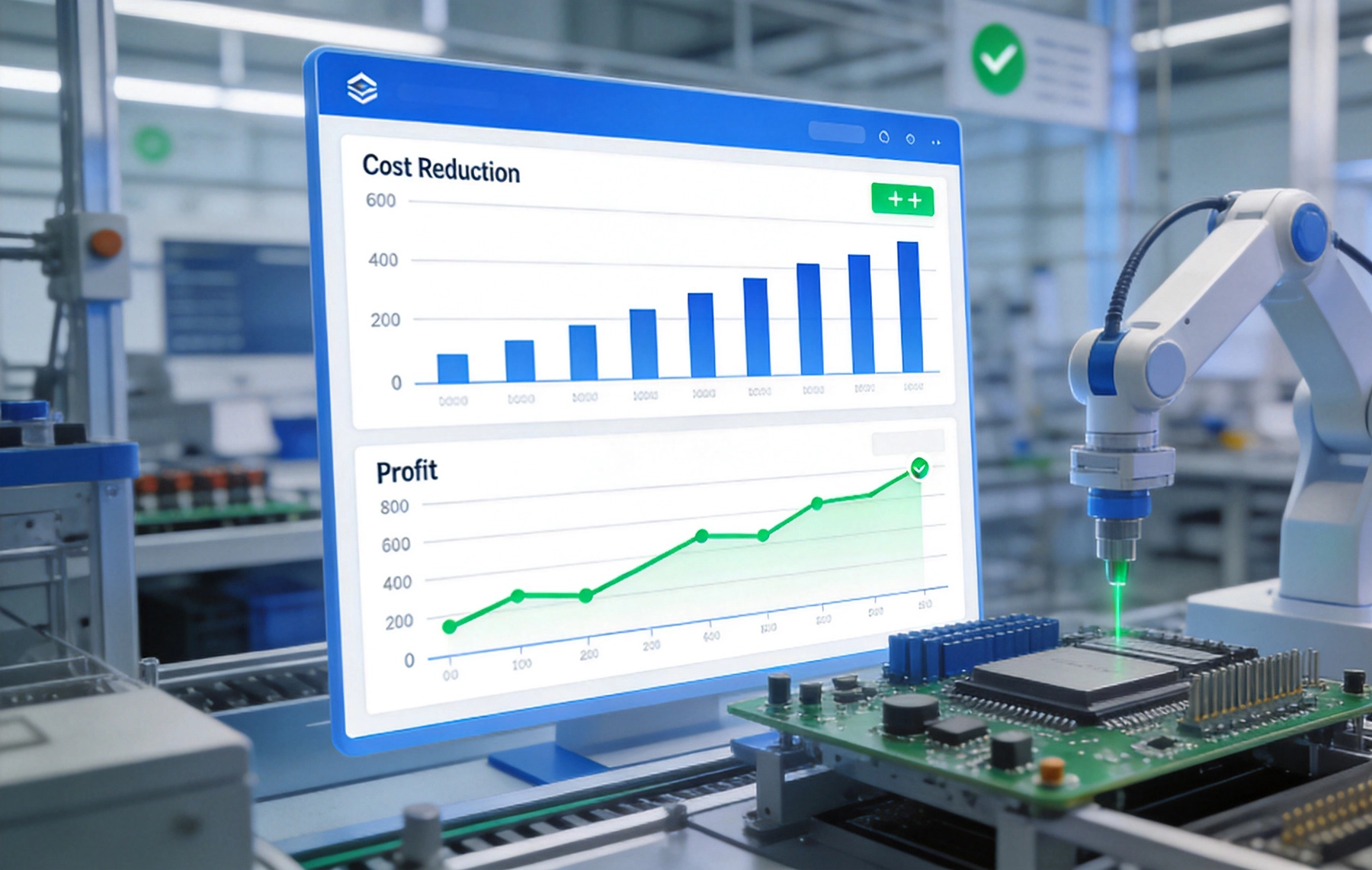
Every electronics company eventually faces the same decision: should we keep PCB assembly in-house or outsource to a contract manufacturer? The answer isn't always obvious. Building a business case ...
042026-09
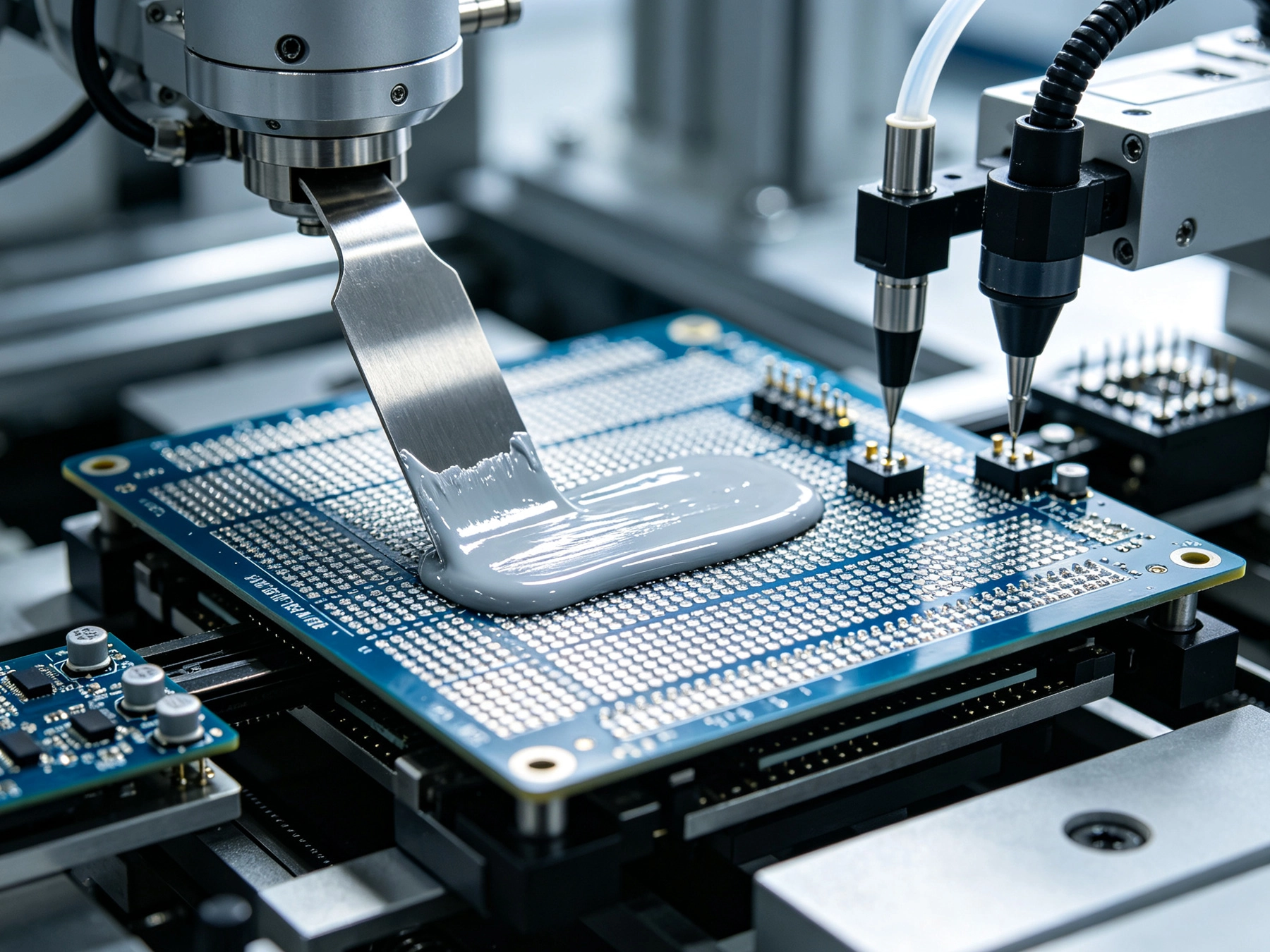
The electronics manufacturing industry is experiencing a revolution in solder paste technology that promises to reshape surface mount technology (SMT) assembly processes worldwide. Driven by increas...
032026-09
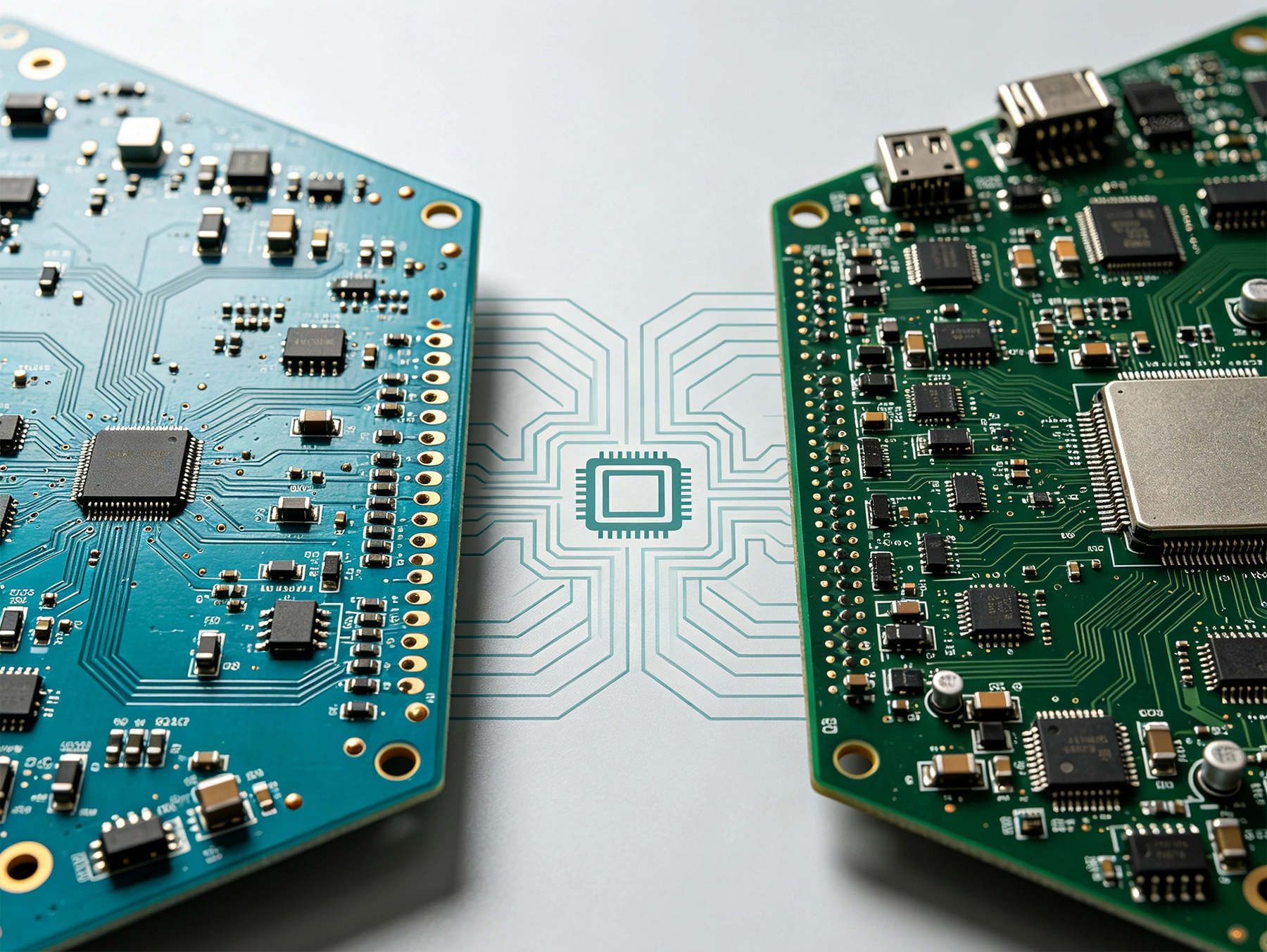
When sourcing printed circuit board assemblies (PCBAs) for your electronic product, one of the most critical specifications to define is the IPC class rating. Defined by the Association Connecting E...
022026-09
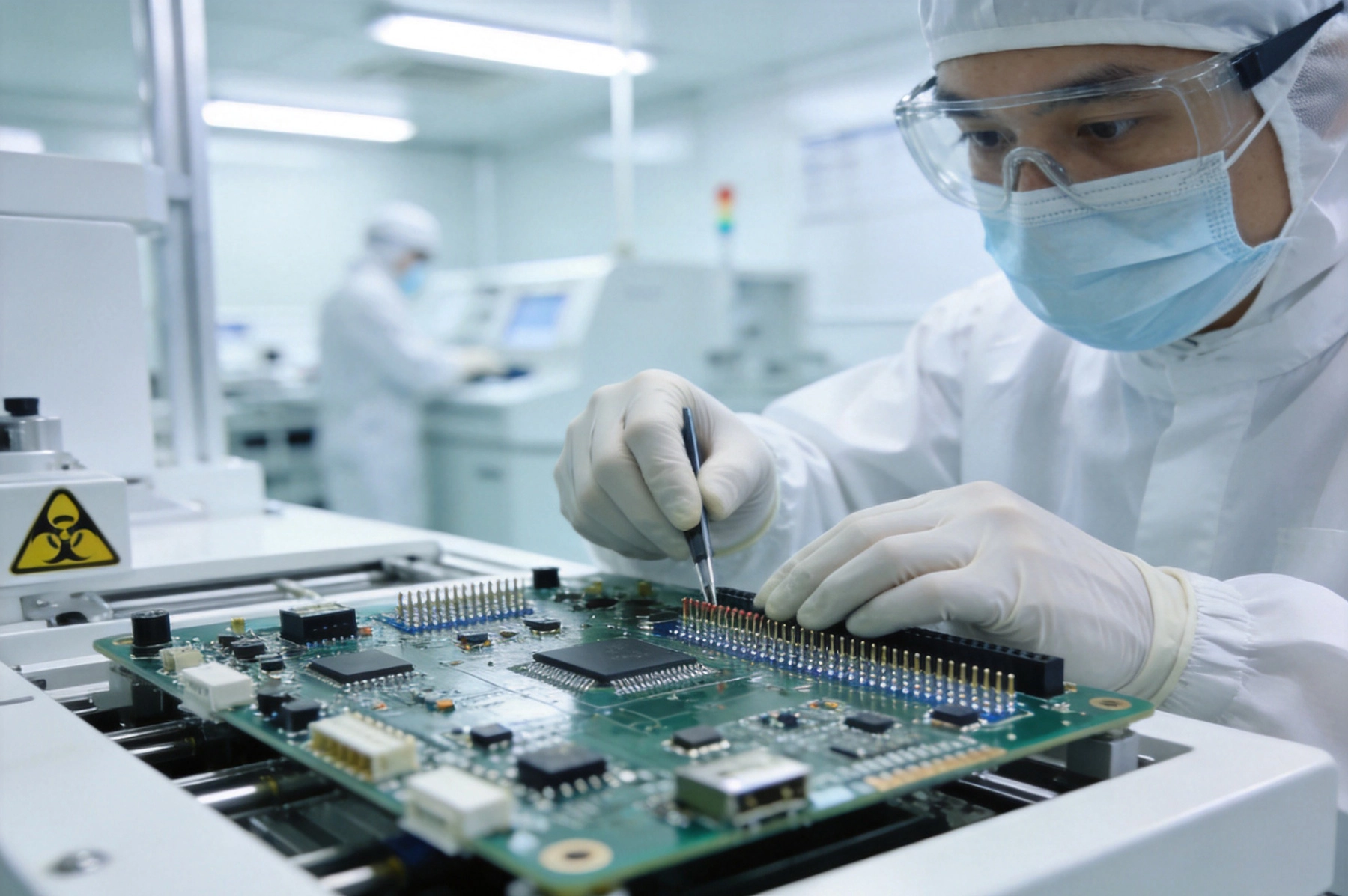
Medical device manufacturers demand the highest levels of quality and reliability from printed circuit board assembly (PCBA) partners. Unlike consumer electronics, medical PCBA must comply with rigo...
012026-09
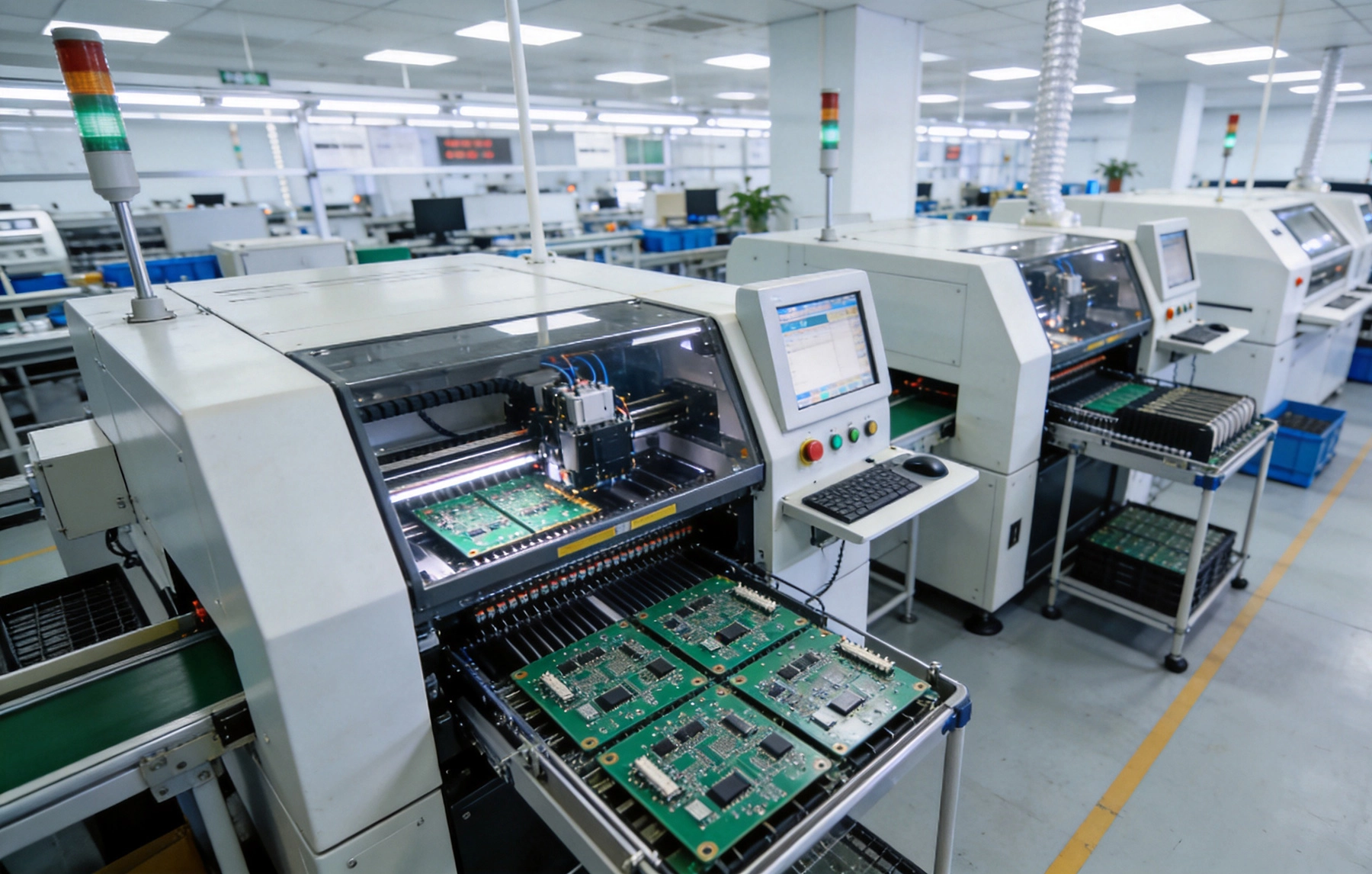
Electronics manufacturing is inherently complex, involving numerous suppliers, intricate logistics, quality control challenges, and significant capital investment. For companies developing electroni...
152026-08
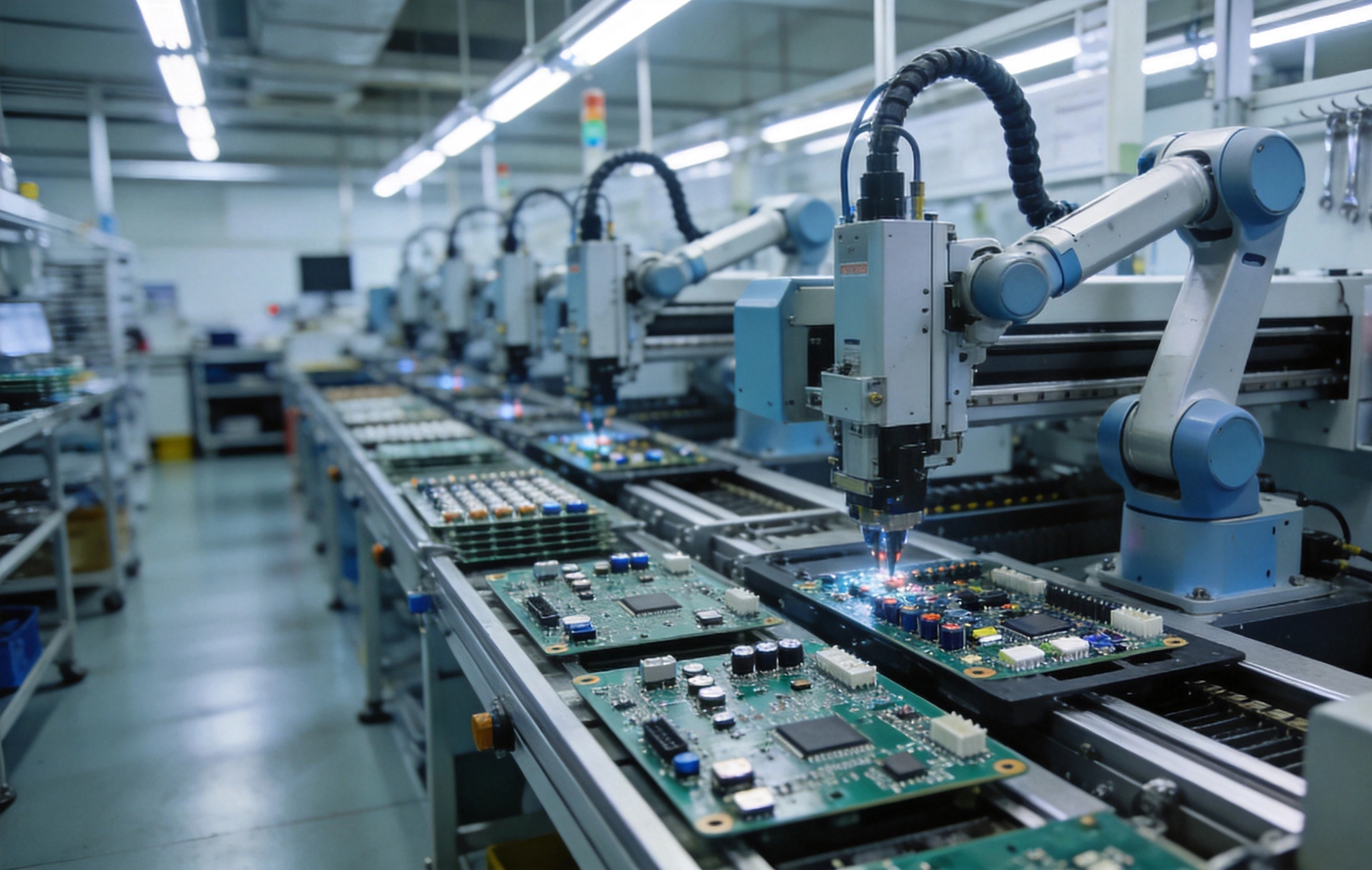
Minimum Order Quantity (MOQ) requirements represent one of the most significant barriers for startups, small businesses, and product innovators looking to bring electronic products to market. Printe...
142026-08