Open Nav



Managing an electronics product supply chain has never been more complex. From sourcing components to coordinating multiple manufacturers, the traditional approach to PCB production often involves juggling numerous suppliers, each handling a single stage of the process. This fragmentation creates inefficiencies, communication gaps, and quality inconsistencies that can derail project timelines and inflate costs.
Full turnkey solutions offer a compelling alternative. By consolidating PCB fabrication, component procurement, assembly, and testing under a single provider, companies can dramatically simplify their supply chain while improving quality and reducing administrative burden.

Full turnkey solutions in electronics manufacturing refer to comprehensive services where a single partner handles the entire production process from start to finish. Rather than coordinating with multiple vendors for different stages, you work with one provider who manages everything.
A complete turnkey offering typically includes:
The scope may vary by provider, but the fundamental principle remains the same: reducing your vendor count while increasing accountability and visibility across the entire production lifecycle.
Traditional electronics production often involves a fragmented ecosystem of specialized manufacturers. You might work with one company for PCB fabrication, another for component procurement, a third for assembly, and yet another for testing. While each specialist may excel in their niche, this approach creates inherent challenges.
When multiple vendors are involved, you become the central hub for communication. Transferring specifications between parties, reconciling conflicting feedback, and tracking progress across different suppliers consumes significant time and increases the risk of errors.
Specifications can get lost in translation. Design intent communicated to your fabrication partner may not reach your assembly vendor with the same clarity. This information loss manifests as quality issues, rework, and delays.
When problems arise with a finished product, determining responsibility becomes complicated. Was the failure due to a fabrication defect? Incorrect components? Assembly error? In a multi-vendor scenario, fixing issues often involves finger-pointing between parties while your product remains stuck in limbo.
Turnkey solutions consolidate accountability. When one provider controls the entire process, they own the quality outcome and have full visibility into every production stage to identify and resolve issues quickly.
Securing components has become increasingly challenging in today's global market. shortages, counterfeiting risks, and supplier reliability issues make procurement a specialized skill requiring dedicated resources and relationships.
Managing component procurement in-house demands expertise in supplier evaluation, inventory management, and market forecasting. For many companies, these capabilities do not exist internally, creating vulnerabilities in the supply chain that can halt production.
Adopting a turnkey approach addresses these challenges while delivering additional advantages that compound over time.
Working with one provider instead of five or ten dramatically reduces administrative overhead. You maintain a single relationship, negotiate one contract, and receive one invoice. This simplicity extends to project management as well, with a single point of contact who understands your entire product rather than isolated pieces.
The reduction in vendor complexity also strengthens your negotiating position. Consolidated volume with one strategic partner often yields better pricing than fragmented orders across multiple vendors.
Eliminating handoff delays between vendors accelerates production timelines. When one organization controls fabrication, assembly, and testing, information flows continuously without waiting for external communication cycles.
Turnkey providers can identify and resolve design issues during the earliest stages, preventing problems from cascading through subsequent production steps. This proactive problem-solving keeps projects on schedule rather than discovering issues after costly fabrication is complete.
Quality control becomes more effective when one organization oversees the entire process. Standards applied during fabrication align with assembly requirements. Inspection criteria remain consistent from board arrival through final test.
Turnkey providers develop deep familiarity with your products through repeated production runs. Each cycle teaches them nuances that improve outcomes on subsequent orders, creating a learning curve that benefits your program over time.
Component procurement through a turnkey partner transfers inventory risk to the provider. Rather than purchasing components upfront and managing warehouse costs, you pay for components as they are incorporated into your products.
This arrangement proves especially valuable given current market volatility. Turnkey providers can leverage their purchasing scale and market knowledge to secure allocations more effectively than individual buyers, reducing exposure to shortages and price spikes.
Not all turnkey solutions deliver equal value. The depth and quality of services vary significantly across providers. Thorough evaluation ensures you select a partner capable of meeting your technical and operational requirements.
Assess whether the provider supports your specific technology requirements:
Ensure the provider has documented experience with your application type. Manufacturing wearable devices demands different expertise than automotive controls or industrial equipment.
Probe the provider's procurement capabilities carefully:
Providers with strong supply chain relationships and sophisticated procurement systems offer better component access and pricing than those purchasing opportunistically through distributors.
Verify relevant certifications that demonstrate commitment to quality processes:
Certification provides baseline assurance, but also evaluate the provider's actual quality outcomes through customer references and samples.
Effective turnkey partnerships require excellent communication. Assess how the provider keeps customers informed:
Ask about their approach to unexpected challenges. How do they communicate delays? What escalations processes exist? The quality of communication becomes most apparent when problems arise.
Transitioning to turnkey production requires preparation to maximize benefits and minimize disruption.
Prepare comprehensive documentation to enable smooth production:
Invest time in documentation upfront. Clear specifications reduce ambiguity, prevent rework, and accelerate first-pass success.
Treat your turnkey provider as a strategic partner rather than a transactional vendor. Early engagement during design yields the greatest value. Request Design for Manufacturing reviews to identify potential issues before fabrication begins.
Share context about your application, volume expectations, and quality priorities. Providers who understand your business context can offer more relevant recommendations than those receiving isolated technical packages.
Establish regular touchpoints to maintain alignment:
The strongest turnkey relationships evolve beyond transactional order fulfillment into strategic collaboration that drives mutual success.
Some companies worry about sharing designs with a single provider. Reputable turnkey partners implement rigorous IP protection protocols including:
IP protection should be evaluated during vendor selection, not assumed. Ask specifically about their security practices and request documentation.
Perception exists that turnkey services cost more than managing multiple vendors directly. While unit costs may occasionally be higher, total cost of ownership often favors turnkey when accounting for:
Request comprehensive quotes that enable true comparison. The cheapest individual fabrication quote may hide later costs from component markup, expediting fees, or quality escapes.
Full turnkey solutions represent a fundamental shift in how electronics products reach market:
For companies seeking to simplify supply chain management without sacrificing quality or capability, full turnkey PCB solutions offer a compelling path forward. The key lies in selecting a provider with the technical breadth, quality systems, and communication practices to serve as a true strategic partner.
Full turnkey PCB solutions typically include PCB fabrication, component procurement, assembly (SMT and/or through-hole), testing, and sometimes additional services like conformal coating, programming, or box-build assembly. The exact scope varies by provider, so clarify included services during vendor selection.
Turnkey solutions reduce complexity by consolidating multiple vendor relationships into one. Instead of coordinating with separate fabrication, assembly, and testing vendors, you work with a single provider who manages all stages. This eliminates handoff communication, reduces administrative overhead, and simplifies quality accountability.
Unit costs for turnkey services may be slightly higher than fragmented production, but total cost of ownership often favors turnkey. Savings come from reduced internal labor, lower defect rates, decreased inventory costs, and faster time-to-market. Request comprehensive cost comparisons to evaluate true value.
Evaluate turnkey partners based on technical capabilities matching your requirements, component sourcing strength and supplier relationships, quality certifications and actual outcomes, communication practices and transparency, and overall cultural fit for long-term partnership. Request references and samples from similar applications.
Most turnkey providers support a wide range of complexity, from simple single-layer boards to advanced multi-layer HDI designs with fine-pitch components. However, specific capabilities vary. Verify the provider has documented experience with your technology level before committing to production.
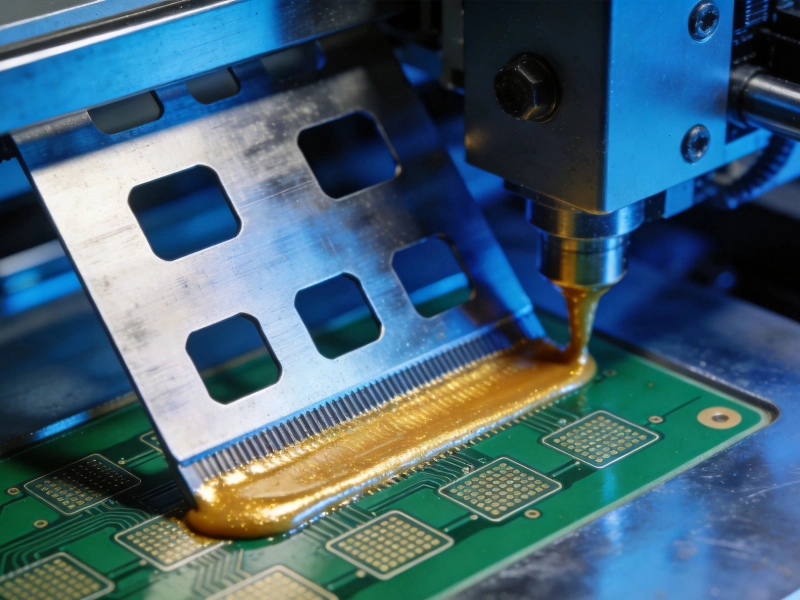
The Science of Solder Paste Printing: Keys to Perfect SMT AssemblyMay/19/2026

Precision SMT PCB Assembly for Wearable TechnologyJune/16/2026
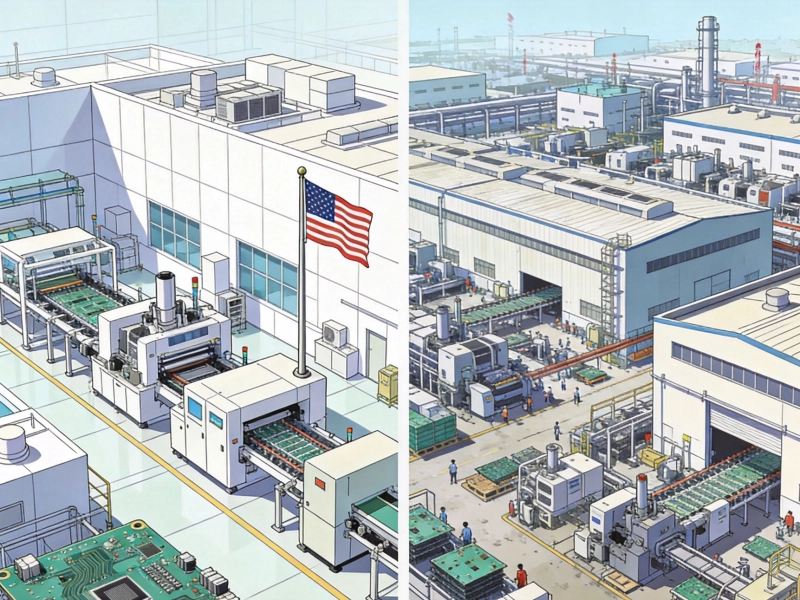
Offshore vs. Domestic PCB Assembly Services: Analyzing the Trade-offsJuly/16/2026

Sustainability in PCB Assembly: Green Manufacturing Practices for the Electronics IndustryJuly/10/2026
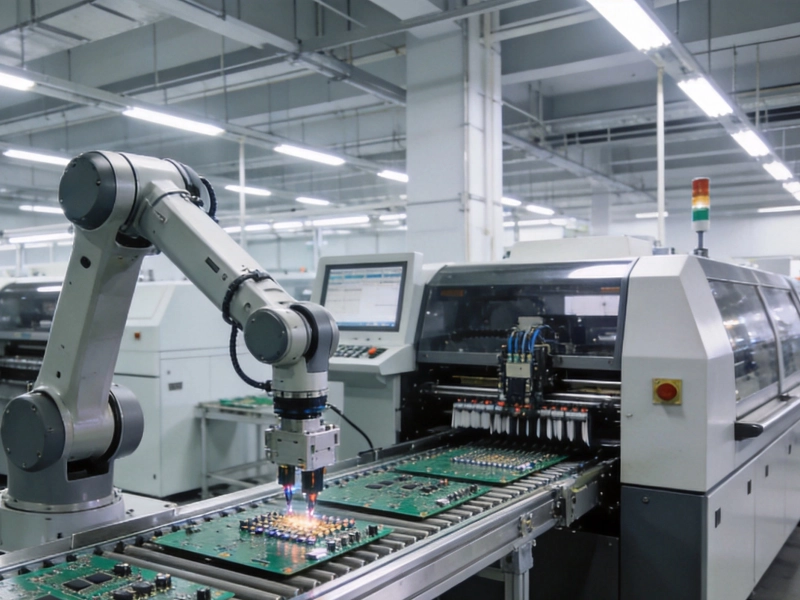
Streamlining Production with Integrated PCB Fabrication and AssemblyJuly/20/2026