

PCB Assembly FAQ

PCB Assembly FAQ
Home News PCB Assembly FAQ

What is the Difference between Class 2 and Class 3 PCBA?

September/02/2026

When sourcing printed circuit board assemblies (PCBAs) for your electronic product, one of the most critical specifications to define is the IPC class rating. Defined by the Association Connecting Electronics Industries (IPC) in the IPC-A-610 standard, these classes define the acceptability criteria for electronic assemblies, with Class 2 and Class 3 being the most commonly used for commercial and industrial products.

Choosing the wrong PCBA class can lead to product failures, increased warranty costs, regulatory non-compliance, or unnecessary overspending. This guide breaks down the key differences between Class 2 and Class 3 PCBAs, their typical use cases, and how to select the right class for your project.
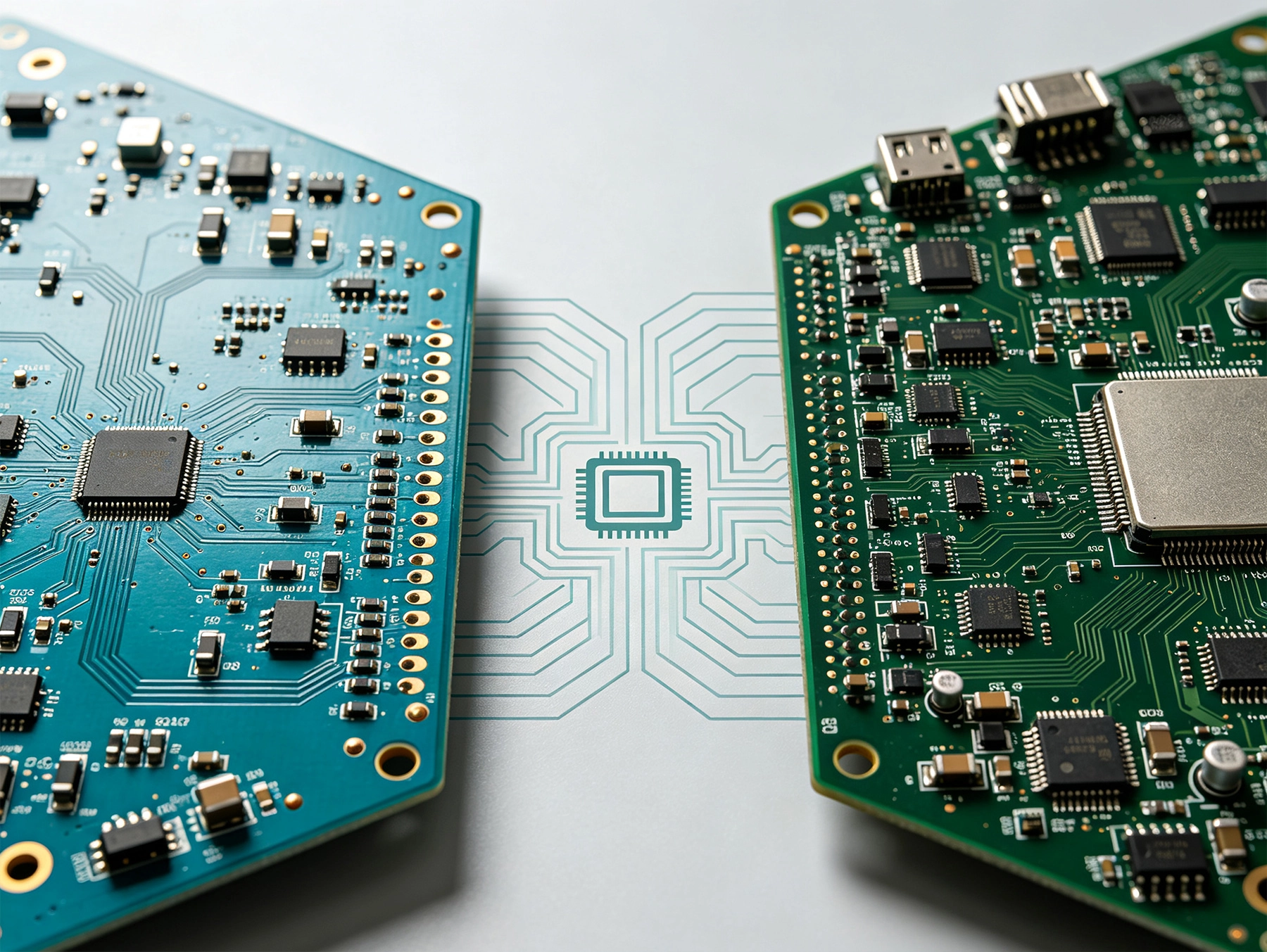
What is the Difference between Class 2 and Class 3 PCBA?

What Are IPC PCBA Classes?

The IPC-A-610 is the global industry standard for the acceptability of electronic assemblies. It defines three performance classes based on the intended use and reliability requirements of the end products:

  • Class 1 (General Electronic Products): For products where cosmetic imperfections are acceptable and product failure is not critical. Typical applications include consumer electronics like toys, disposable devices, and low-cost accessories where short lifespan and basic functionality are sufficient.
  • Class 2 (Dedicated Service Electronic Products): For products that require extended life and reliable performance, but where failure would not result in significant harm or life-threatening consequences. This is the most common class for commercial and industrial electronics.
  • Class 3 (High Performance Electronic Products): For products that require continuous, uninterrupted performance, where failure could result in severe injury, loss of life, or catastrophic equipment failure, or mission-critical downtime. This class has the strictest manufacturing and testing requirements.

While Class 1 is rarely used for most modern commercial products, Class 2 and Class 3 account for over 90% of all PCBAs manufactured today. The difference between these two classes lies in their manufacturing tolerances, inspection criteria, testing requirements, and reliability standards.

Key Differences Between Class 2 and Class 3 PCBA

While Class 2 and Class 3 PCBAs may look identical to the untrained eye, their manufacturing and acceptance criteria differ significantly in several key areas:

1. Acceptance and Quality Standards

The most significant difference between Class 2 and Class 3 is the strictness of inspection and acceptance criteria:

  • Solder Joint Acceptance: Class 2 allows for minor imperfections in solder joints, such as slight voiding, minor fillet irregularities, and minor misalignment of components, as long as they do not affect electrical functionality or mechanical reliability. Class 3 has much tighter requirements for solder joint quality, requiring perfect fillet formation, minimal voiding, and strict limits on component misalignment.
  • Component Placement Tolerance: Class 2 allows for up to 25% of a component's lead or termination to be outside the pad, as long as electrical connection is maintained. Class 3 requires a minimum of 75% of the termination must be on the pad for all components, with even tighter requirements for fine-pitch components and high-reliability applications.
  • Conductor Width and Spacing: Class 2 allows for up to 20% reduction in conductor width due to etching variations, while Class 3 limits conductor width reduction to 10%.
  • Via and Hole Tolerances: Class 2 allows for minor voiding in vias, while Class 3 requires 100% via filling for high-reliability applications and has much stricter limits on void size and location.

2. Manufacturing Process Requirements

Class 3 PCBA requires more stringent process controls throughout manufacturing:

  • Process Documentation: Class 3 requires full traceability of all materials and processes, including lot tracking for all components, solder paste batches, and process parameters for every manufacturing step. Class 2 requires basic traceability but not to the same level of detail.
  • Cleanliness Requirements: Class 3 requires strict process cleanliness standards, with mandatory cleaning after soldering to remove all flux residues, ionic contaminants, and other impurities that could cause corrosion or electrical leakage over time. Class 2 allows for minor residual flux as long as it does not affect functionality.
  • Process Control: Class 3 manufacturing requires statistical process control (SPC) for all critical processes, including solder paste printing, component placement, and reflow soldering, with regular process audits and validation. Class 2 may use basic process controls without mandatory SPC for all steps.
  • Operator Training: Class 3 manufacturing requires operators to have specialized training in high-reliability assembly and certification to IPC-A-610 Class 3 standards, while Class 2 operators only need basic IPC certification.

3. Testing Requirements

Class 3 PCBA requires more extensive testing to ensure reliability:

  • In-Circuit Testing (ICT): Mandatory for Class 3 assemblies, with 100% electrical testing of all components and connections. Class 2 may use sample testing or functional testing only, depending on the application.
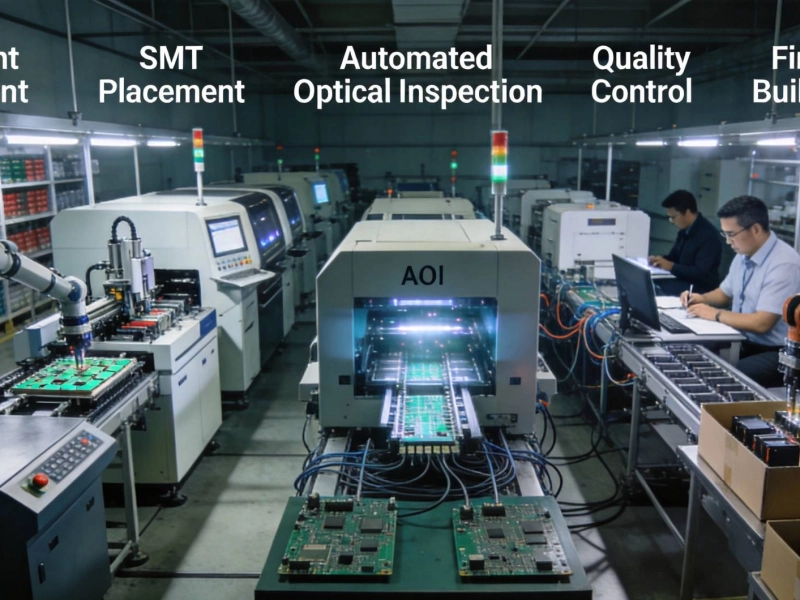
  • Automated Optical Inspection (AOI): Mandatory for both sides of Class 3 assemblies, with 100% inspection of all solder joints and component placements. Class 2 may use AOI only for critical components or sample inspection.
  • X-Ray Inspection: Mandatory for Class 3 assemblies with BGA, QFN, or other area array components, with strict limits on voiding in solder joints. Class 2 may use X-ray only for high-value components or as a troubleshooting tool.
  • Environmental Testing: Class 3 often requires additional environmental testing, such as thermal cycling, humidity testing, vibration testing, and highly accelerated life testing (HALT) to validate reliability under extreme conditions. Class 2 typically only requires basic functional testing.
  • Burn-In Testing: Mandatory for many Class 3 applications, where assemblies are operated at elevated temperatures and voltages for extended periods to screen out early failures. Class 2 rarely requires burn-in testing only for high-reliability applications.

4. Material Requirements

Class 3 PCBA uses higher-quality materials designed for long-term reliability:

  • PCB Materials: Class 3 requires higher-grade PCB materials with higher TG (glass transition temperature) ratings, better thermal stability, and stricter material tolerances for copper thickness, dielectric thickness, and impedance control. Class 2 can use standard FR-4 materials for most applications.
  • Component Requirements: Class 3 requires components with higher temperature ratings, tighter tolerance specifications, and proven reliability ratings for high-reliability applications. Class 2 can use commercial-grade components for most applications.
  • Solder Materials: Class 3 requires higher-grade solder pastes with better thermal cycling resistance and lower voiding characteristics, while Class 2 can use standard solder pastes for most applications.
  • Conformal Coating: Mandatory for many Class 3 applications to protect the assembly from moisture, dust, and chemical exposure, and vibration. Class 2 may use conformal coating only for harsh environment applications.

5. Cost Differences

Due to the stricter requirements, Class 3 PCBAs typically cost 30-100% more than equivalent Class 2 PCBAs. The cost premium comes from several factors:

  • Higher material costs for high-grade PCBs, components, and materials
  • Additional manufacturing process steps and stricter process controls
  • Extensive testing requirements and higher scrap rates due to tighter acceptance criteria
  • Specialized operator training and certification
  • Full traceability and documentation requirements

The exact cost difference varies depending on the complexity of the assembly, with more complex assemblies with fine-pitch components, BGAs, and high layer counts having the largest cost differential between Class 2 and Class 3.

Class 2 PCBA: Overview and Use Cases

Class 2 is the most commonly specified class for most commercial and industrial electronic products where reliable performance and extended service life are required, but where failure would not cause catastrophic consequences. Class 2 assemblies are designed to provide reliable operation for their intended product lifespans of 5-10 years under normal operating conditions.

Typical applications for Class 2 PCBA include:

  • Consumer electronics: smartphones, tablets, laptops, and smart home devices
  • Industrial electronics: factory automation equipment, sensors, and control systems where failure would not cause safety hazards or significant downtime
  • Automotive electronics: infotainment systems, comfort controls, and non-safety related systems
  • Telecommunications equipment: routers, switches, and network equipment that do not carry mission-critical traffic
  • Medical devices: non-life-support medical devices such as diagnostic equipment, patient monitoring devices that are not used for life support
  • Consumer and industrial power supplies, lighting systems, and other general electronic products

Class 2 provides an excellent balance between cost and reliability for most commercial applications, providing acceptable performance for the vast majority of electronic products that do not require mission-critical reliability.

Class 3 PCBA: Overview and Use Cases

Class 3 is the highest standard for electronic assemblies, designed for products that require continuous, uninterrupted operation where failure could result in severe injury, loss of life, catastrophic equipment failure, or significant financial loss. Class 3 assemblies are designed to operate reliably for 10-20 years or more under extreme operating conditions, including wide temperature ranges, high vibration, high humidity, and harsh environments.

Typical applications for Class 3 PCBA include:

  • Aerospace and defense: avionics systems, satellite components, military equipment, and weapons systems, where failure could result in loss of aircraft, loss of mission, or loss of life.
  • Medical devices: life-support medical devices, implantable medical devices, surgical equipment, and patient monitoring systems used in critical care settings.
  • Automotive safety systems: ADAS (Advanced Driver Assistance Systems), brake control systems, airbag control units, and other safety-related automotive electronics where failure could result in injury or death.
  • Industrial control systems: critical process control systems, power grid equipment, nuclear power plant controls, and other industrial systems where failure could result in catastrophic equipment damage or environmental disaster.
  • Telecommunications infrastructure: core network equipment, cellular base stations, and satellite communications systems where downtime would result in significant financial loss or disruption of critical services.
  • Transportation systems: railway control systems, marine navigation systems, and aircraft avionics where failure could result in accidents or loss of life.

Class 3 assemblies must meet the strictest standards for quality, reliability, and performance, and are subject to rigorous testing and inspection throughout the manufacturing process to ensure they meet these requirements.

How to Choose Between Class 2 and Class 3 PCBA for Your Project

Choosing between Class 2 and Class 3 PCBA depends on several factors specific to your project:

1. Application and Reliability Requirements

The most important factor is the consequence of product failure. If failure could result in injury, loss of life, catastrophic equipment failure, or significant financial loss, Class 3 is required. If failure would only result in minor inconvenience or product replacement, Class 2 is usually sufficient.

2. Regulatory Requirements

Certain industries have mandatory requirements for PCBA class. For example, medical devices must meet Class 3 requirements for life-support applications, aerospace and defense equipment must meet Class 3 standards, and automotive safety systems must meet Class 3 requirements per ISO 26262 functional safety standards.

3. Operating Environment

If your product will be used in harsh environments with extreme temperatures, high humidity, high vibration, or exposure to chemicals or dust, Class 3 may be required to ensure long-term reliability, even if failure would not be catastrophic.

4. Product Lifespan Requirements

If your product is designed for a long service life (10+ years), Class 3 may be appropriate to ensure reliability over the entire product lifecycle. For products with shorter lifespans (3-5 years), Class 2 is usually sufficient.

5. Budget Constraints

Class 3 PCBAs cost significantly more than Class 2. If your application does not require the higher reliability of Class 3, choosing Class 2 can significantly reduce your product cost without sacrificing performance for most applications.

When in doubt, consult with your PCBA manufacturer to determine the appropriate class for your specific application. Many manufacturers can provide guidance on the optimal class based on your requirements and budget.

Common Misconceptions About PCBA Classes

There are several common misconceptions about PCBA classes that can lead to incorrect specification:

Misconception 1: Class 3 is always better than Class 2

While Class 3 has stricter requirements, it is not always "better" for all applications. For consumer electronics products, Class 2 provides sufficient reliability at a significantly lower cost than Class 3, making it the more appropriate choice for most applications.

Misconception 2: Class 3 PCBAs look different from Class 2

Class 2 and Class 3 PCBAs may look identical visually. The difference lies in the manufacturing process controls, testing, and acceptance criteria, not necessarily in the visual appearance of the assembly.

Misconception 3: The only difference is cost

While cost is a significant difference, the primary difference is reliability. Class 3 PCBAs are designed and tested to provide significantly higher reliability over longer periods and under harsher conditions than Class 2 PCBAs.

Misconception 4: You can upgrade a Class 2 assembly to Class 3 with additional testing

No, Class 3 requirements apply to the entire manufacturing process, from material selection to process controls to testing. A Class 2 assembly cannot be upgraded to Class 3 after manufacturing, even if it passes all Class 3 tests.

Conclusion

Understanding the difference between Class 2 and Class 3 PCBA is critical for ensuring your electronic product meets its reliability requirements while minimizing unnecessary costs. Class 2 provides an excellent balance of cost and reliability for most commercial and industrial applications, while Class 3 provides the highest level of reliability for mission-critical and safety-related applications.

When specifying PCBA for your project, carefully consider your application requirements, regulatory obligations, operating environment, and budget to select the appropriate class. Working with an experienced PCBA manufacturer that is certified to both Class 2 and Class 3 standards can help you make the right choice and ensure your product meets all applicable requirements.

Frequently Asked Questions

Q: Can I use Class 3 components in a Class 2 assembly?

A: Yes, you can use higher-grade components in a lower-class assembly. However, the assembly will still be classified as Class 2 unless it meets all Class 3 manufacturing, testing, and documentation requirements.

Q: Is Class 3 PCBA required for all medical devices?

A: No, only medical devices classified as life-support or critical care require Class 3 PCBA. Non-critical medical devices such as diagnostic equipment and patient monitors used in non-critical settings can use Class 2 PCBA, depending on the specific regulatory requirements for the device.

Q: How do I verify that my PCBA manufacturer is qualified for Class 3 production?

A: Look for manufacturers with IPC-A-610 Class 3 certification, ISO 9001 or AS9100 certification for aerospace and defense applications, and relevant industry-specific certifications. Request examples of previous Class 3 work and references from other Class 3 customers.

Q: Can Class 2 and Class 3 assemblies be manufactured on the same production line?

A: Yes, but strict process controls must be in place to prevent cross-contamination and ensure Class 3 assemblies are manufactured according to Class 3 requirements. Many manufacturers run Class 2 and Class 3 assemblies on the same lines, with additional process controls and documentation for Class 3 jobs.
Send Message
First Name*
Last Name*
Country*
E-mail*
Company Name
Phone/WhatsApp
First Name*
Last Name*
Country*
E-mail*
Company Name
Phone/WhatsApp