Open Nav



Electronics manufacturing is inherently complex, involving numerous suppliers, intricate logistics, quality control challenges, and significant capital investment. For companies developing electronic products, managing these complexities while focusing on core competencies presents a formidable challenge. This is where full Turnkey PCB Assembly services emerge as a strategic solution, offering a comprehensive approach that dramatically reduces manufacturing risks while accelerating time-to-market.
In this article, we'll explore how turnkey services mitigate various manufacturing risks, the key benefits they provide, and why an increasing number of companies are choosing this model for their electronics production needs.
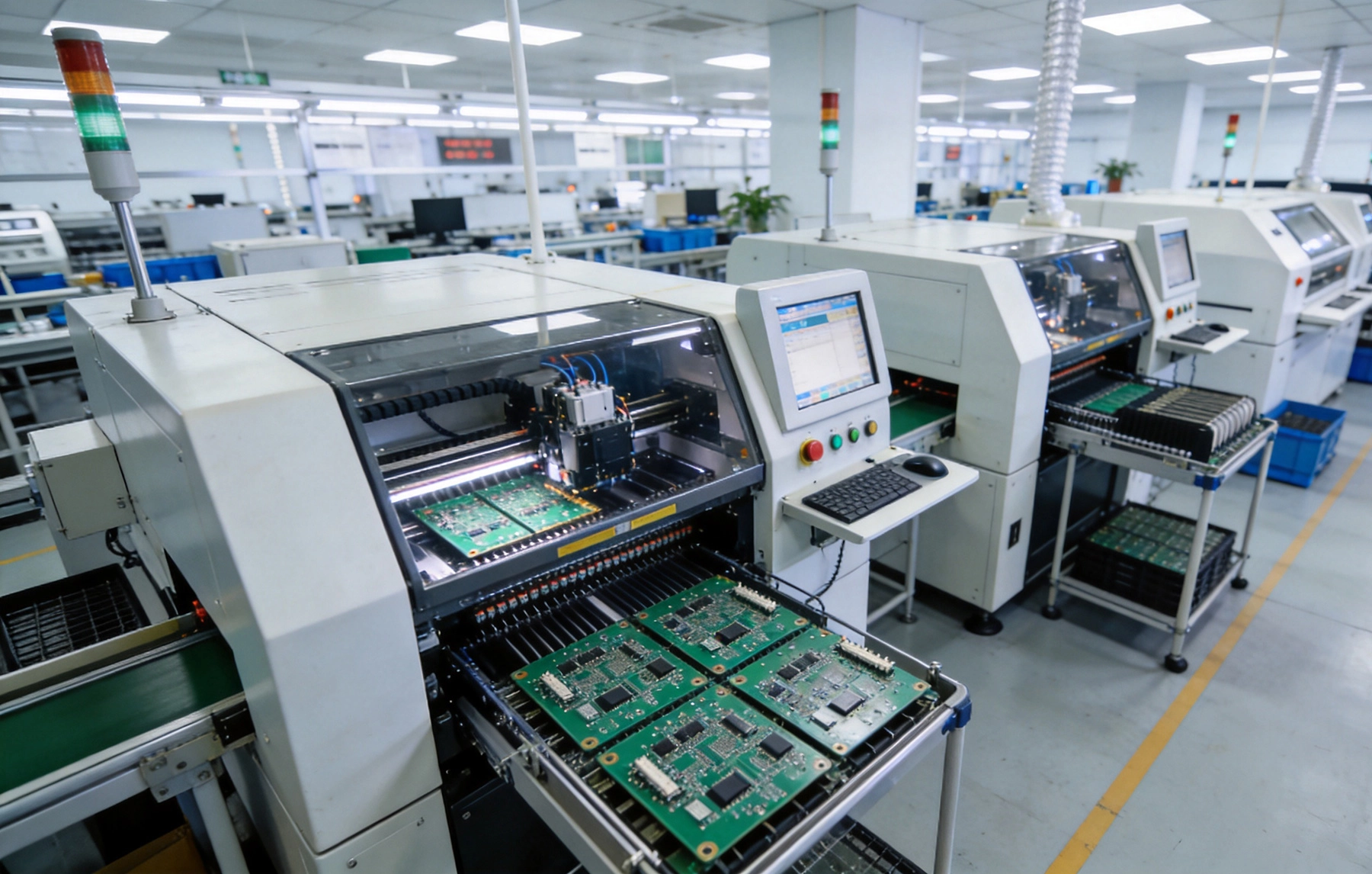
Full Turnkey PCB Assembly represents a complete outsourcing model where the contract manufacturer handles every aspect of production, from component sourcing to final testing and delivery. Unlike consignment or partial turnkey arrangements where the customer supplies some materials, full turnkey means the manufacturing partner takes complete responsibility for:
This comprehensive approach transforms the manufacturing relationship from a transactional supplier interaction into a strategic partnership where risk and responsibility are shared.
Before examining how turnkey services reduce risk, it's essential to understand the primary vulnerabilities in electronics manufacturing:
The electronics industry faces constant supply chain challenges, from component shortages and allocation issues to geopolitical tensions affecting trade routes. The global chip shortage of 2020-2023 demonstrated how quickly supply chain disruptions can derail production plans and damage business viability.
Defective components, assembly errors, and inadequate testing can result in product failures, warranty claims, recalls, and reputational damage. Maintaining consistent quality across multiple suppliers and production batches requires sophisticated systems and expertise.
Balancing component inventory involves navigating minimum order quantities, lead time variations, and obsolescence risks. Overstocking ties up capital and risks component obsolescence; understocking leads to production delays.
Modern electronics must meet increasingly stringent regulatory requirements, including RoHS compliance, UL certification, and industry-specific standards. Navigating these requirements demands specialized knowledge and resources.
Establishing in-house manufacturing capabilities requires substantial investment in equipment, facilities, and personnel. For many companies, this capital commitment represents significant financial risk, particularly when demand fluctuates.
Turnkey providers specialize in supply chain management, leveraging their scale and expertise to reduce procurement risks:
Experienced turnkey manufacturers navigated the recent chip shortage more effectively than many in-house operations, having established allocation priorities with suppliers and developed alternative sourcing strategies.
Quality risks diminish when responsibility rests with a single accountable party:
Because turnkey manufacturers control both component sourcing and assembly, they can quickly identify whether quality issues stem from material problems or process variations, enabling faster corrective action.
Turnkey arrangements transfer significant financial risks from the customer to the manufacturer:
For startups and growing companies, avoiding capital-intensive manufacturing investments preserves cash flow for product development and market expansion.
Turnkey providers offer specialized knowledge that reduces technical risks:
This expertise proves particularly valuable for companies entering new markets or developing products with demanding technical requirements.
Speed represents a critical competitive advantage, and turnkey services reduce time-to-market risks:
Companies using turnkey services often achieve market entry months faster than those building internal manufacturing capabilities.
By outsourcing manufacturing, companies concentrate resources on their strengths—whether that's product innovation, market development, or customer relationships. Manufacturing expertise becomes the turnkey provider's responsibility, allowing customers to build competitive advantage in their primary domains.
Turnkey arrangements provide flexibility that in-house manufacturing cannot match:
Established turnkey manufacturers operate within continuous improvement frameworks:
Customers benefit from these improvements without direct investment or management effort.
Not all turnkey providers offer equivalent risk reduction. When evaluating potential partners, consider:
A turnkey partner's financial health directly impacts their ability to manage inventory investment, maintain equipment, and weather market downturns. Request financial information and assess their long-term viability.
Relevant certifications indicate commitment to quality systems:
Assess whether the provider's capabilities match your product requirements:
Effective turnkey relationships require robust communication:
Manufacturing location affects logistics, communication, and risk profile:
Successful turnkey relationships start with thorough project documentation:
Risk reduction improves through staged relationship development:
Establish metrics that track both operational performance and risk indicators:
Some companies worry that turnkey outsourcing means surrendering control over their manufacturing. Modern turnkey relationships actually enhance control through:
The difference lies in delegating operational execution while maintaining strategic oversight.
Protecting proprietary designs represents a legitimate concern. Mitigation strategies include:
While turnkey pricing includes manufacturer margin, total cost comparisons often favor outsourcing when considering:
Many companies discover that apparent cost premiums for turnkey services disappear when fully-loaded costs are calculated.
Full turnkey PCB assembly services offer a proven approach to reducing the multifaceted risks inherent in electronics manufacturing. By transferring supply chain management, quality responsibility, inventory investment, and technical compliance to specialized partners, companies can focus on their core strengths while benefiting from manufacturing expertise and scale.
The turnkey model transforms manufacturing from a complex operational challenge requiring significant capital and management attention into a streamlined service relationship with defined outcomes and shared accountability. For companies navigating increasingly competitive markets and complex supply chain environments, this risk reduction proves invaluable.
Success depends on selecting the right partner and establishing clear communication and performance frameworks. With proper implementation, turnkey services don't just reduce risk—they create competitive advantages through faster time-to-market, operational flexibility, and access to specialized expertise that would be difficult to develop internally.
Explore how our full turnkey PCB assembly services can streamline your production, reduce supply chain complexity, and accelerate your product development. Contact our team to discuss your project requirements and discover a smarter approach to electronics manufacturing.
In turnkey assembly, the manufacturer sources all components and materials. In consignment assembly, the customer supplies components while the manufacturer provides labor and equipment. Turnkey transfers more risk and responsibility to the manufacturer.
Established turnkey manufacturers leverage multiple distributor relationships, maintain strategic inventory, and employ component engineers who can recommend qualified alternatives when primary parts become unavailable.
While unit costs may appear higher, total cost of ownership often favors turnkey when considering inventory carrying costs, capital investment, management overhead, and risk mitigation value.
Quality oversight comes through defined acceptance criteria, regular audits, real-time production monitoring, comprehensive testing requirements, and clear escalation procedures for quality issues.
Medical devices, aerospace, industrial controls, telecommunications, and IoT products particularly benefit from turnkey services due to their complex compliance requirements, quality demands, and supply chain challenges.
The Role of Low Volume Assembly in Aerospace and DefenseJuly/21/2026
The Hidden Costs of DIY PCB Assembly vs. Professional ServicesAugust/11/2026
Challenges in Assembling 0201 and 01005 Miniature ComponentsSeptember/21/2026
Smart Factories: The Digital Transformation of PCBA LinesSeptember/17/2026
The True Cost of Poor Quality in PCB Assembly ServicesJuly/13/2026