Open Nav



Bringing a new electronic product to market is often more challenging than most teams anticipate. A design that works perfectly on the workbench can face unexpected manufacturing problems during assembly, leading to costly delays, unexpected rework, and missed market opportunities. This is exactly the gap that structured New Product Introduction processes are designed to address. NPI bridges the transition from product design to volume manufacturing, ensuring that designs are producible, processes are reliable, and the final product meets quality requirements consistently across production runs.
Too many product teams treat NPI as an optional extra step or a formality to be rushed through to meet launch deadlines. This approach may save time in the short term, but it almost always leads to higher costs, longer delays, and lower quality later in the product lifecycle. Understanding what NPI involves, what value it delivers, and how to implement it effectively gives product teams a significant competitive advantage by reducing time-to-market, lowering production costs, and improving field reliability.
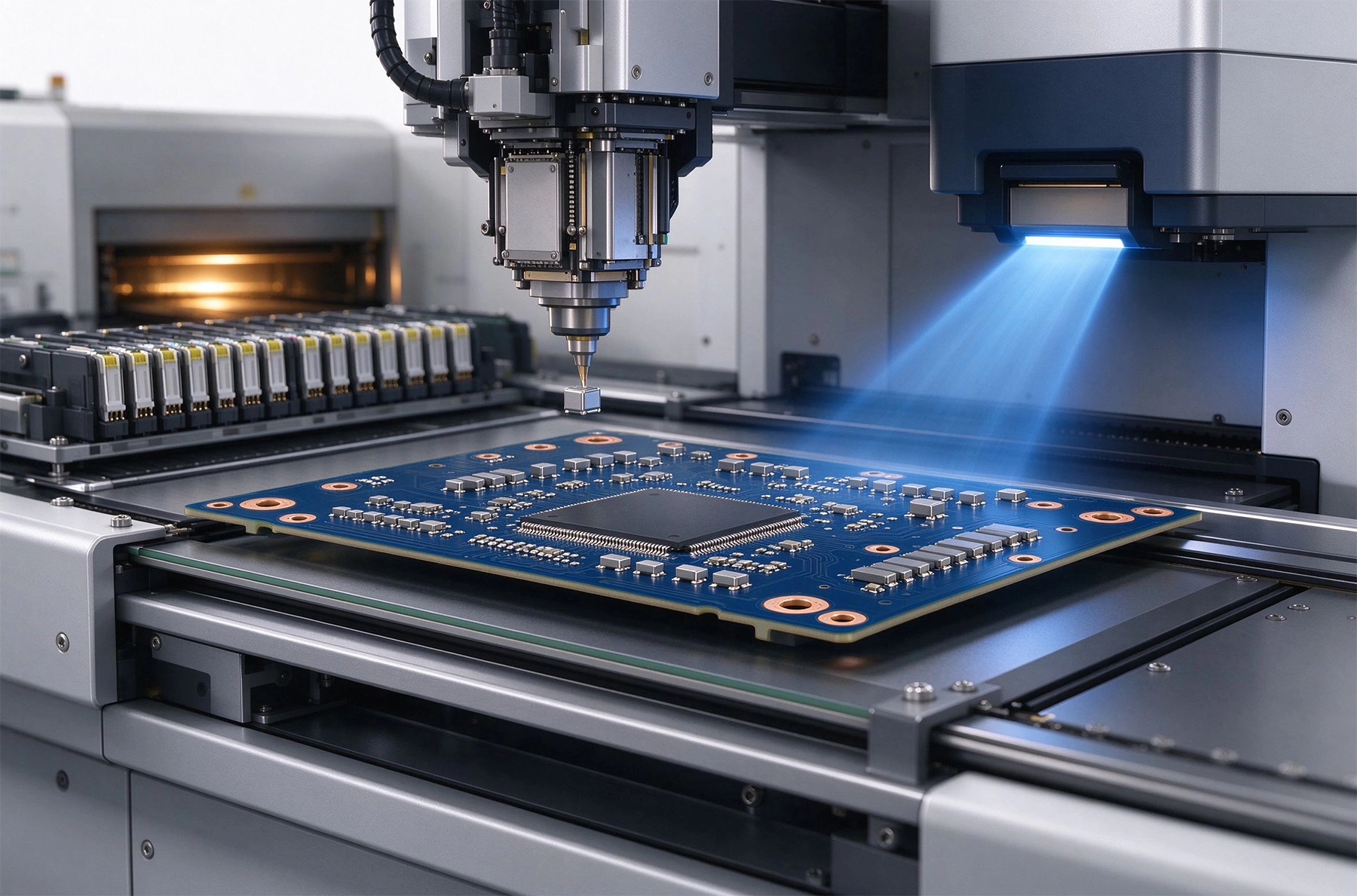
New Product Introduction for PCB assembly is a structured process that evaluates every aspect of a design from a manufacturing perspective before volume production begins. It is not a single step but a series of coordinated activities that bring together design engineers, manufacturing engineers, quality teams, and procurement specialists to identify and resolve potential issues before they become expensive production problems.
At the core of NPI is design for manufacturing review, where manufacturing engineers examine every detail of the design against actual production capabilities. This review covers component placement, solder paste stencil design, reflow profile requirements, testability, and ease of assembly. The goal is to identify design choices that will create manufacturing challenges, increase defect rates, or require expensive custom processes, and suggest alternatives that maintain design functionality while improving producibility.
Process development and validation form the second major component of NPI. This involves creating and testing the specific manufacturing processes that will be used for your product: pick-and-place programming, solder paste stencil design, reflow oven profile development, and assembly work instructions. These processes are validated through prototype builds and pilot runs to confirm they consistently produce high-quality boards before volume production begins.
Supply chain validation is the third critical NPI activity. This involves verifying that all components are available in the required quantities, identifying potential supply chain risks, and qualifying alternative components if required. For products with long lifecycle requirements, NPI may also involve developing component obsolescence mitigation plans that ensure supply continuity even when specific parts reach end of life.
One of the most significant benefits of a well-executed NPI process is faster time-to-market. While it may seem counterintuitive that adding additional steps before production speeds up overall launch, the reality is that issues discovered during NPI are far faster and cheaper to fix than issues discovered during volume production or after product launch.
Early detection of design issues eliminates the need for multiple design spins during production. A problem identified during DFM review can be fixed in hours or days by adjusting the board layout. The same problem discovered after a production run has started may require scrapping thousands of dollars worth of material, redesigning the board, and restarting the manufacturing process, which can delay launch by weeks or months.
Process validation during NPI eliminates trial and error during production ramp-up. When processes are fully validated before volume production begins, the first production run yields good parts at rate, rather than serving as an extension of the development process. This predictable ramp-up allows teams to meet customer commitments and avoid the reputational damage of delayed product launches.
Supply chain validation during NPI avoids component shortages that can halt production unexpectedly. NPI teams identify long lead time components early in the process, secure allocation where needed, and qualify alternatives for critical parts. This proactive supply chain management ensures that production is not delayed by component unavailability when you are ready to ramp to volume.
Quality issues that slip through development and into field production are exponentially more expensive to fix than those caught earlier. NPI significantly reduces the likelihood of these quality escapes by building quality into the manufacturing process from the beginning rather than attempting to inspect it in after production.
Test strategy development during NPI ensures that defects can be detected efficiently during production. The NPI team works with design engineers to identify critical test points, develop functional test procedures, and implement inspection strategies that provide adequate coverage for potential failure modes. This reduces defect escape rates and ensures that only good products reach customers.
Process capability validation during NPI confirms that manufacturing processes are repeatable and capable of meeting design specifications consistently. Statistical process control methods are used to measure process variation and identify areas where process improvements are needed before volume production begins. This leads to lower defect rates, higher first-pass yield, and more consistent quality across production runs.
Reliability testing during NPI validates that products meet performance requirements under expected operating conditions. Accelerated life testing, thermal cycling, vibration testing, and other reliability tests are performed on early prototype builds to identify design or manufacturing weaknesses that would lead to field failures. Addressing these issues before launch dramatically improves field reliability and reduces warranty costs.
While implementing a structured NPI process requires an upfront investment of time and resources, it almost always delivers a positive return on investment by reducing costs across the entire product lifecycle. These cost savings come from multiple sources that accumulate throughout production.
Higher first-pass yield reduces rework and scrap costs. Designs that have been optimized for manufacturing during NPI have fewer defects during production, which reduces the amount of rework required and the number of boards that must be scrapped. For high-volume products, even a 1% improvement in first-pass yield can translate to hundreds of thousands of dollars in cost savings over the product lifecycle.
Reduced warranty and field failure costs represent the largest potential savings from effective NPI. The cost of repairing or replacing a product under warranty is typically 5 to 10 times the cost of fixing the same issue during manufacturing. For products that face potential liability issues from field failures, the savings from avoiding these incidents can be even greater.
Optimized manufacturing processes reduce per-unit production costs. The NPI process identifies opportunities to streamline assembly, reduce component cost through approved substitutes, and eliminate unnecessary processing steps. These per-unit savings accumulate across the entire production volume, often far exceeding the initial NPI investment.
NPI processes can be adapted to the specific needs of different products and industries, but effective programs typically follow a similar structure with distinct stages and gate reviews before proceeding to the next phase.
The initial feasibility review stage occurs early in the design process, ideally before the final layout is completed. Manufacturing engineers review the schematic, preliminary layout, and bill of materials to identify major feasibility issues, component availability concerns, and obvious DFM problems. This early feedback allows design adjustments when changes are least expensive to implement.
The detailed DFM and DFT review stage follows once the layout is complete but before fabrication begins. This review covers every aspect of the design for manufacturability, testability, and assembly. The output of this stage is a detailed list of design change recommendations, process requirements, and supply chain considerations that must be addressed before production.
The prototype build stage produces a small number of boards using the planned production processes to validate design functionality and manufacturing feasibility. Prototype builds identify unexpected issues with component fit, solderability, and process capability that were not apparent during the design review stage. The results of the prototype build inform any necessary design or process adjustments before proceeding further.
The pilot run stage produces a larger batch of typically 50 to 200 units using the full production process, tooling, and test procedures. Pilot runs validate process capability, first-pass yield, and test strategy effectiveness. A successful pilot run demonstrates that the product is ready for volume production, while issues identified during the pilot are addressed before full ramp-up.
The volume production transition stage transfers the product to regular production with full documentation, work instructions, and quality controls in place. This stage includes training for production operators, process validation documentation, and ongoing process monitoring plans to ensure consistent quality throughout the product lifecycle.
Even teams that recognize the value of NPI often make predictable mistakes that reduce its effectiveness. Understanding these common pitfalls helps you avoid them and get maximum value from your NPI investment.
Rushing through NPI to meet launch deadlines is the most frequent mistake teams make. When stages are skipped or reviews are rushed to save time, issues that would have been caught during NPI slip through to production, creating far greater delays later. It is almost always faster to take the extra time to complete NPI thoroughly than to deal with production issues later.
Involving manufacturing too late in the design process reduces NPI value significantly. When manufacturing teams are only brought in after the design is finalized, many DFM improvements are no longer possible without costly redesigns. Involving manufacturing partners early in the design process allows their input to shape the design in ways that improve producibility without compromising functionality.
Viewing NPI as a one-time activity rather than an ongoing process limits its benefits. NPI does not end when volume production begins. Continuous improvement activities based on production data, field failure feedback, and component availability changes should continue throughout the product lifecycle, refining processes and improving quality over time.
Failing to document decisions and processes during NPI leads to knowledge loss when team members change or when production is transferred between facilities. Comprehensive documentation of design decisions, process parameters, test procedures, and supply chain considerations ensures that knowledge is preserved and accessible to everyone involved in the product throughout its lifecycle.
The success of your NPI process depends heavily on the relationship you have with your contract manufacturer. Treating your manufacturer as a partner rather than simply a supplier delivers far better NPI outcomes.
Select a manufacturer with proven NPI expertise and experience with products similar to yours. Manufacturers who understand your industry and product type will identify issues that less experienced partners would miss, and they will have established processes for moving designs smoothly through NPI to production. Ask for references from customers who have completed similar NPI projects before selecting a manufacturer.
Share information openly and early with your manufacturing partner. Provide access to schematics, layout files, and design intent documentation as early in the process as possible. The more context your manufacturer has about your design goals and constraints, the more valuable their input will be during NPI.
Establish clear communication channels and decision-making processes before beginning NPI. Identify who from your team will be responsible for responding to DFM feedback, who has authority to approve design changes, and what the expected response times will be. Clear roles and responsibilities prevent delays during NPI when decisions need to be made quickly.
New Product Introduction is far more than a pre-production formality. It is a structured process that bridges the gap between design and manufacturing, delivering faster time-to-market, higher product quality, and lower total cost of ownership across the entire product lifecycle. The upfront investment in NPI pays back many times over through reduced rework, fewer field failures, and more predictable production ramp-up.
Effective NPI requires early collaboration between design teams and manufacturing partners, a structured process with clear gate reviews, and a commitment to addressing issues before they become expensive production problems. Teams that prioritize NPI and implement it effectively gain a significant competitive advantage by bringing higher quality products to market faster and at lower cost than competitors who treat NPI as an afterthought.
As product complexity continues to increase and market windows become shorter, the value of structured NPI processes will only grow. Building NPI expertise into your product development workflow now positions your team to meet these challenges successfully both for current products and future development projects.
Contact us to discuss your requirements and explore how structured NPI processes can support your new product introduction goals.
Smart Factories: The Digital Transformation of PCBA LinesSeptember/17/2026
Behind the Scenes: A Tour of Our Advanced SMT Assembly FacilityAugust/07/2026
Choosing the Right Surface Finish for Your SMT PCB AssemblySeptember/23/2026
Scaling Up: Transitioning from Prototype to Low Volume ManufacturingOctober/28/2026
How the Global Chip Shortage is Impacting PCB Assembly ServicesJuly/23/2026