Open Nav



You’ve spent months perfecting your product prototype. It works flawlessly in testing, meets all performance requirements, and has received glowing feedback from early users. But moving that successful prototype into production is where many product launches fail. The transition from prototype to low volume manufacturing is one of the most critical, and often most challenging, stages of product development. Get it right, and you’ll have a scalable, reliable production process that delivers consistent quality. Get it wrong, and you could face costly delays, product failures, and lost market opportunities.
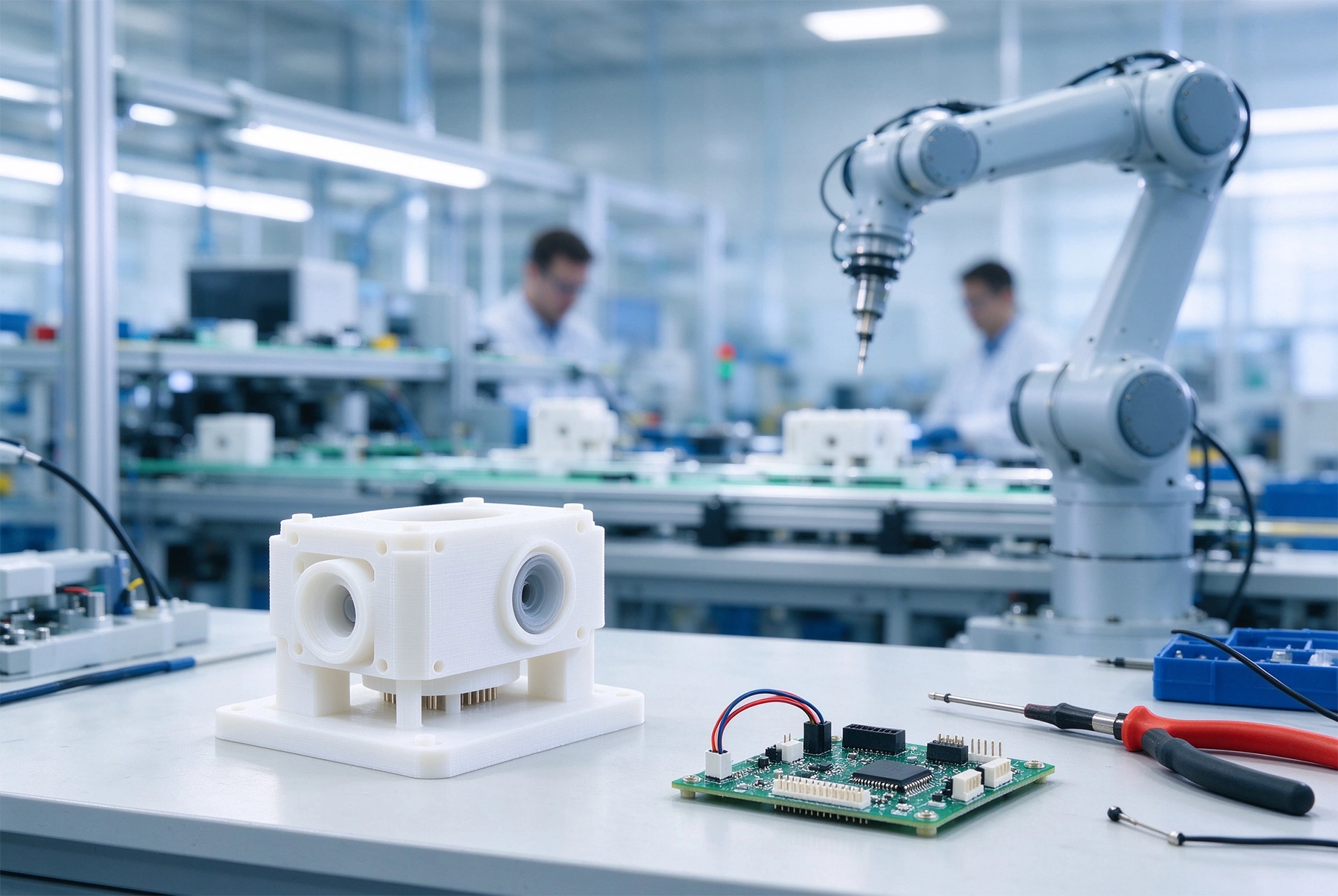
Prototypes are built for one purpose: to validate design functionality. They are typically assembled by hand, in small quantities, using readily available components and simplified manufacturing processes. What works for a handful of prototypes rarely works for hundreds or thousands of units.
The most common reasons for transition failures include:
Low volume manufacturing (typically defined as 100 to 10,000 units) solves these problems by acting as a bridge between prototype development and full-scale mass production. It allows you to validate your manufacturing process, identify and resolve issues, and refine your design before committing to large production runs.
Investing in a low volume production run before full-scale manufacturing delivers significant benefits that far outweigh the upfront cost:
Identifying design or manufacturing issues during a low volume run is far less costly than discovering them after you’ve ordered 100,000 units and set up mass production lines. Even major design changes during the low volume stage are relatively inexpensive, compared to reworking entire production runs or recalling defective products from the market.
Low volume production allows you to test how your design performs when built using actual production processes, not hand assembly. You can identify design features that are difficult or expensive to manufacture, and refine them to improve manufacturability without sacrificing functionality.
Low volume runs let you verify component availability, test supplier reliability, and negotiate better pricing for larger volume orders. You can identify components with long lead times or limited availability, and find suitable alternatives before they cause production delays.
Low volume production gives you the opportunity to develop and test quality control processes that can be scaled to full production. You can identify common defects, establish acceptable quality limits, and train production staff on proper assembly and testing procedures.
Low volume production allows you to get your product into the hands of early customers and beta testers, collect real-world feedback, and make final refinements before full launch. This reduces the risk of launching a product that doesn’t meet market needs.
Low volume runs allow you to start selling your product earlier, generating revenue to fund larger production runs and cover development costs. You can also fulfill pre-orders and build buzz around your product before the full launch.
Follow these steps to ensure a smooth, successful transition:
Before moving to production, conduct a comprehensive Design for Manufacturing review. For electronic products including PCBs, this review should cover:
Create a detailed, accurate BOM that includes every component, part number, quantity, and approved alternative. Work with your manufacturing partner to identify potential component shortages or supply chain risks, and add alternative components where appropriate. Ensure all components meet your quality and performance requirements.
Choose a manufacturing partner with experience in low volume production of products similar to yours. Look for partners that offer end-to-end services, including PCB Fabrication, assembly, testing, and supply chain management. Ensure they have the capabilities to scale to full volume production when you’re ready, so you don’t have to switch manufacturers later.
Before your full low volume run, produce a small pilot batch of 10-50 units using production processes. This allows you to identify and resolve any manufacturing issues before the full run. Test every unit in the pilot batch thoroughly to ensure they meet all performance and quality standards.
Develop clear quality control standards and testing procedures for every stage of production. This should include:
Document all processes clearly so they can be scaled to full production without changes.
Once you’ve resolved all issues from the pilot run, proceed with your full low volume production batch. Work closely with your manufacturing partner throughout the process to monitor quality, address any issues that arise, and ensure the run stays on schedule.
After the low volume run is complete, collect feedback from manufacturing, testing, and early customers. Identify any areas for improvement in the design, manufacturing process, or quality control. Make any necessary changes before moving to full scale production.
Avoid these common mistakes that can derail your transition:
Many teams rush to production without completing a proper DFM review, hoping to save time. This almost always leads to more delays and higher costs later when manufacturing issues are discovered. Always complete a full DFM review before moving to production, even if it adds a few weeks to your timeline.
Component lead times can be much longer for production quantities than for prototype orders. Start sourcing components as early as possible, and have alternative sources for critical components. Build buffer time into your schedule for potential supply chain delays.
Low volume production costs are higher per unit than mass production costs. Don’t base your pricing on mass production costs when you’re still in the low volume stage. Be realistic about your costs, and plan for economies of scale as you increase production volume.
Don’t assume that because your prototypes worked perfectly, your production units will too. Test every unit from your low volume run thoroughly, and conduct reliability testing on a sample of units to identify long-term performance issues.
While DFM is important, don’t over-optimize your design for mass production before you’ve validated market demand. Use the low volume stage to validate both your product and your market before investing in full-scale production optimization.
For products that include custom PCBs, there are additional considerations during the transition:
Transitioning from prototype to low volume manufacturing is a critical step in the product development process. It allows you to validate your design, test your manufacturing process, refine your supply chain, and collect real-world feedback before committing to full-scale production. By following a structured transition process, conducting thorough DFM reviews, and working with experienced manufacturing partners, you can avoid common pitfalls and set your product up for long-term success.
Whether you’re launching a new electronic device, IoT product, or consumer gadget, investing in a low volume production stage will reduce risk, lower costs, and increase your chances of a successful product launch.
Contact us to discuss your requirements.
A: Low volume manufacturing typically refers to production runs of 100 to 10,000 units, though this can vary depending on the product type and industry.
A: Per-unit costs in low volume manufacturing are typically 2-5 times higher than mass production costs, due to lower economies of scale, higher setup costs, and shorter production runs.
A: A typical low volume production run for electronic products takes 4-8 weeks from start to finish, depending on component lead times and manufacturing complexity.
A: Most prototypes require at least minor design changes to improve manufacturability for low volume production. A DFM review will identify the specific changes needed for your design.
A: Yes, and this is generally recommended, as it eliminates the need to transfer production processes and quality standards to a new manufacturer when you scale up.
Streamlining Production with Integrated PCB Fabrication and AssemblyJuly/20/2026
Rapid Prototyping: Getting Your Electronics from Concept to RealitySeptember/11/2026
Advancements in Solder Paste Technology Transforming Electronics ManufacturingSeptember/03/2026
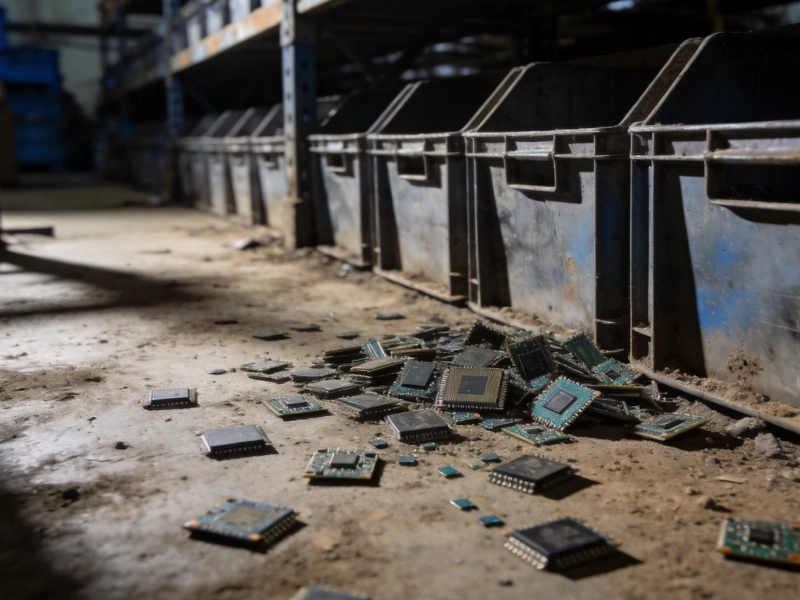
How the Global Chip Shortage is Impacting PCB Assembly ServicesJuly/23/2026
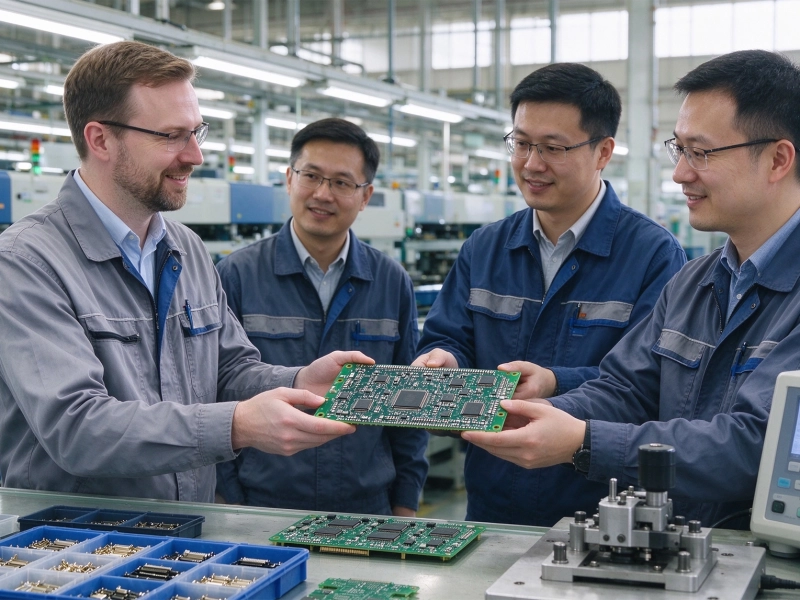
Building Long-Term Partnerships with Your PCB Assembly ManufacturerOctober/22/2026