Open Nav



The electronics industry stands at a pivotal moment. Traditional rigid PCBs, while reliable and well-understood, cannot meet the demands of next-generation applications that require conformability, stretchability, and seamless integration into non-traditional form factors. Flexible Hybrid Electronics (FHE) represents the convergence of flexible circuits, printed electronics, and surface-mount assembly technologies that promises to transform how we think about electronic systems.
Unlike conventional flexible PCBs that bend but maintain fixed dimensions, FHE combines stretchable conductors, printed components, and traditional silicon devices on flexible substrates. This hybrid approach enables electronics that conform to curved surfaces, stretch with movement, and integrate into products ranging from medical wearables to automotive interiors. Understanding FHE's evolution, manufacturing requirements, and application landscape helps engineers prepare for this transformative technology.

Flexible Hybrid Electronics represents a category of electronic systems that combine the precision and performance of traditional silicon-based components with the mechanical flexibility of printed and stretchable electronics. The term "hybrid" reflects this combination—FHE doesn't replace conventional electronics but rather enables new applications where traditional rigid boards cannot physically conform or function.
The technology builds upon several manufacturing approaches: screen printing of conductive inks on flexible substrates, pick-and-place assembly of surface-mount components on stretchable circuits, and integration of bare die components using flexible interconnect technologies. This combination creates electronic systems that can bend, stretch, and conform while maintaining the processing power and functionality that traditional silicon devices provide.
FHE distinguishes itself from simple flexible circuits in several ways. Standard flex PCBs use polyimide substrates with etched copper conductors—they bend but don't stretch. FHE incorporates elastomeric substrates and stretchable conductor materials that can elongate 20-50% without electrical failure. This stretchability opens applications impossible for traditional flex: wearable health monitors that stretch with skin movement, automotive interiors with embedded sensors, and soft robotics with integrated electronics.
Several enabling technologies combine to make FHE systems possible. Understanding these components helps engineers evaluate FHE capabilities for specific applications.
FHE substrates must provide both mechanical flexibility and chemical stability for assembly processes. Materials such as thermoplastic polyurethane (TPU), silicone elastomers, and specialized polyimide variants offer different tradeoffs between stretchability, temperature resistance, and processing compatibility. Substrate selection directly impacts which assembly processes are viable and what environmental conditions the finished system can tolerate.
Unlike rigid or traditional flexible PCBs, FHE substrates must maintain dimensional stability during assembly while accommodating subsequent stretching in use. This dual requirement creates manufacturing challenges—processes must not damage stretchable properties, yet substrates must support component placement accuracy. Advanced substrate formulations and handling techniques address these competing requirements.
Conductor materials for FHE must maintain electrical continuity during stretching while providing sufficient conductivity for signal and power distribution. Several approaches enable stretchable interconnects: serpentine copper patterns that unfold during stretching, silver flake-filled elastomers that maintain percolation paths under strain, and liquid metal conductors that flow within elastomeric channels.
Each conductor technology offers different performance characteristics. Serpentine copper traces provide excellent conductivity but require careful design to manage stress distribution. Silver-filled elastomers offer inherent stretchability but lower conductivity than solid metal. Liquid metal systems enable highest stretchability but require encapsulation to prevent leakage and oxidation.
Mounting traditional surface-mount components on stretchable substrates requires specialized approaches. Standard solder joints crack under mechanical strain, making them unsuitable for FHE applications. Alternative interconnect methods include anisotropic conductive films, stretchable conductive adhesives, and specialized solder formulations optimized for flexibility.
Component placement accuracy becomes more challenging on stretchable substrates that may shift during processing. Vision systems must accommodate substrate distortion, and placement algorithms must account for material properties that differ significantly from rigid boards. These requirements demand specialized assembly equipment and processes.
Bringing FHE from prototype to production requires addressing several manufacturing challenges that differ from traditional PCB assembly.
Stretchable substrates behave differently during processing than rigid or traditional flexible PCBs. They may elongate under tension, compress during handling, or deform under component placement forces. Assembly processes must account for these material properties—standard equipment designed for rigid boards may damage FHE substrates or fail to achieve required placement accuracy.
Temperature limitations also constrain FHE assembly processes. Many stretchable substrate materials cannot withstand standard reflow temperatures of 240°C or higher. Lower-temperature solder alloys, conductive adhesives, or alternative attachment methods must substitute for traditional reflow soldering. Process engineers must select materials compatible with substrate temperature limits while meeting reliability requirements.
Printed electronics manufacturing enables creating conductive patterns directly on flexible substrates without etching processes. Screen printing, inkjet printing, and aerosol jet deposition offer different tradeoffs between resolution, throughput, and material compatibility. These additive processes reduce material waste compared to subtractive etching while enabling conductor patterns optimized for stretchability.
Hybrid manufacturing approaches combine printed conductors with pick-and-place component assembly. This integration requires coordinating different process steps—printing operations must achieve registration accuracy compatible with component placement requirements, and placement processes must not damage printed features. Developing stable, repeatable process flows for FHE production demands significant engineering effort.
Stretchable electronics require encapsulation materials that protect circuits while accommodating mechanical strain. Traditional conformal coatings and potting compounds are rigid—they constrain movement and transfer stress to circuit elements. Flexible encapsulants must stretch with the circuit while providing environmental protection, electrical insulation, and mechanical durability.
Encapsulation processes must also avoid damaging FHE elements. Liquid dispensing, molding, and lamination techniques must accommodate stretchable materials without causing permanent deformation or delamination. Process development for encapsulation often requires extensive iteration to achieve reliable protection without compromising flexibility.
Several application categories are accelerating FHE development and production adoption.
Wearable health monitors represent FHE's most mature application area. Continuous health monitoring requires electronics that conform to body contours, move with skin during activity, and maintain comfort during extended wear. FHE enables sensor arrays that stretch with skin, processing electronics integrated into comfortable form factors, and power systems that accommodate movement without discomfort.
Applications range from simple fitness trackers to advanced medical diagnostics. Glucose monitors, cardiac monitors, and respiratory sensors benefit from FHE's ability to maintain reliable electrical connections during body movement. As healthcare moves toward continuous monitoring rather than episodic testing, FHE provides the mechanical platform that makes comfortable, long-term wear feasible.
Automotive manufacturers are integrating FHE into interior surfaces—seats, dashboards, door panels—to enable touch interfaces, occupancy sensing, and environmental monitoring without visible electronics. Conformable electronics integrate into curved interior surfaces, stretchable sensors detect occupant presence and position, and heating elements conform to seat contours for efficient comfort control.
Automotive applications demand high reliability and environmental resistance. FHE systems must survive temperature extremes, humidity cycling, and mechanical vibration over vehicle lifetimes spanning 10-15 years. These requirements drive development of robust FHE materials and assembly processes that achieve consumer electronics functionality with automotive-grade reliability.
Soft robotics—robots fabricated from flexible materials rather than rigid links—requires distributed electronics that flex and stretch with robotic structures. FHE enables embedding sensors, processing, and power distribution directly into soft robotic components. This integration simplifies system architecture while enabling capabilities impossible with traditional rigid electronics mounted separately.
Industrial IoT applications benefit from FHE's ability to conform to existing equipment surfaces. Asset tracking sensors, environmental monitors, and predictive maintenance systems can integrate onto curved surfaces of pumps, motors, and vessels without requiring rigid enclosures or mounting brackets. This conformability simplifies installation and improves measurement accuracy by positioning sensors optimally.
Despite promising applications, FHE faces several challenges that must be addressed for broader adoption.
Current FHE production processes remain relatively slow and expensive compared to traditional PCB assembly. Printing operations, specialized attachment methods, and careful handling requirements limit throughput. Achieving volume production at competitive costs requires process optimization, equipment development, and material improvements that reduce cycle times while maintaining quality.
Industry consortia and standards organizations are working to accelerate FHE manufacturing maturity. Standardized material specifications, design guidelines, and acceptance criteria will enable broader supply chain participation. As production volumes increase and processes stabilize, FHE costs will decrease, making the technology viable for more applications.
Traditional PCB reliability testing assumes rigid substrates that experience limited mechanical stress. FHE systems experience fundamentally different failure modes—conductor cracking under strain, delamination during stretching, and encapsulation failures that expose circuits to environment. Developing appropriate reliability testing protocols and lifetime prediction models requires fundamental research into FHE failure mechanisms.
Standards organizations are extending existing specifications to address FHE requirements. IPC has formed committees to develop standards for flexible hybrid electronics design, fabrication, and acceptance. These standards will provide common quality benchmarks and enable consistent reliability expectations across the supply chain.
Electronic design automation tools optimized for rigid PCBs don't adequately address FHE's unique requirements. Stretchable circuit design requires understanding strain distribution, designing conductor patterns that accommodate elongation, and simulating mechanical behavior under use conditions. CAD tools must incorporate mechanical simulation capabilities unfamiliar to most electrical engineers.
Design methodology development parallels tool development. Guidelines for stretchable interconnect routing, component placement strategies for flexible systems, and design-for-manufacturing rules specific to FHE processes are emerging from research institutions and industry practitioners. Formalizing this knowledge into accessible design guides will accelerate FHE adoption.
FHE technology continues advancing across multiple fronts. Material science developments yield substrates with improved temperature resistance and process compatibility. Conductor formulations provide better conductivity-stretchability tradeoffs. Assembly equipment manufacturers develop tools optimized for flexible hybrid systems. Each advancement removes barriers to broader FHE adoption.
For engineers and organizations considering FHE adoption, starting with pilot projects in specific applications makes sense. Medical wearables offer relatively low-risk entry points with clear value propositions. Automotive interior electronics provide volumes that drive process development. Success in these applications builds expertise and supplier relationships that support expansion into additional markets.
The electronics assembly industry will play a crucial role in FHE commercialization. Assembly services must develop capabilities for stretchable substrates, flexible interconnect processes, and encapsulation techniques. Companies investing in FHE capabilities today position themselves to serve emerging markets that will demand these capabilities increasingly.
Flexible Hybrid Electronics represents a fundamental expansion of electronic system capabilities beyond what traditional rigid and flexible PCBs can achieve. By combining stretchable substrates, flexible conductors, and innovative assembly techniques, FHE enables applications from medical wearables to soft robotics that require electronics to conform, stretch, and integrate into non-traditional form factors.
While manufacturing challenges and reliability questions remain, the technology's trajectory is clear. Material improvements, process optimization, and standards development are addressing adoption barriers systematically. Organizations that develop FHE expertise today position themselves for emerging markets that will increasingly demand conformable, stretchable electronics.
For assembly services, FHE represents both challenge and opportunity. New capabilities demand equipment investments and process development, but early adoption creates competitive advantages in emerging markets. The future of electronics includes systems that bend, stretch, and conform—and that future is closer than many realize.
Traditional flexible PCBs use polyimide substrates with etched copper traces—they bend but don't stretch. FHE incorporates elastomeric substrates and stretchable conductors that can elongate 20-50% without electrical failure. This stretchability enables applications like wearable skin sensors and automotive interior electronics that require conformability beyond what traditional flex provides.
FHE combines traditional surface-mount components with printed electronics and specialized interconnects. Standard ICs, resistors, and capacitors can be mounted using stretchable conductive adhesives or flexible solder formulations. Additionally, printed sensors, antennas, and passive components can be deposited directly onto stretchable substrates using additive manufacturing techniques.
Key challenges include handling stretchable substrates without damage, achieving component placement accuracy on flexible materials, developing interconnect methods that survive mechanical strain, and encapsulating electronics while maintaining flexibility. Temperature limitations of stretchable substrates also constrain process options, often requiring lower-temperature attachment methods than standard reflow soldering.
Medical wearables represent the most mature FHE application, enabling comfortable continuous health monitoring. Automotive manufacturers are integrating FHE into interior surfaces for touch interfaces and sensors. Soft robotics and industrial IoT applications are emerging, where conformable electronics enable new capabilities. Each application leverages FHE's unique ability to function while stretching or conforming to non-flat surfaces.
FHE reliability testing addresses failure modes different from traditional PCBs. Testing includes cyclic stretching to evaluate conductor fatigue, environmental exposure while under mechanical strain, and encapsulation integrity assessment. Standards organizations are developing test protocols specific to stretchable electronics, but current approaches often combine traditional PCB tests with additional mechanical cycling requirements.
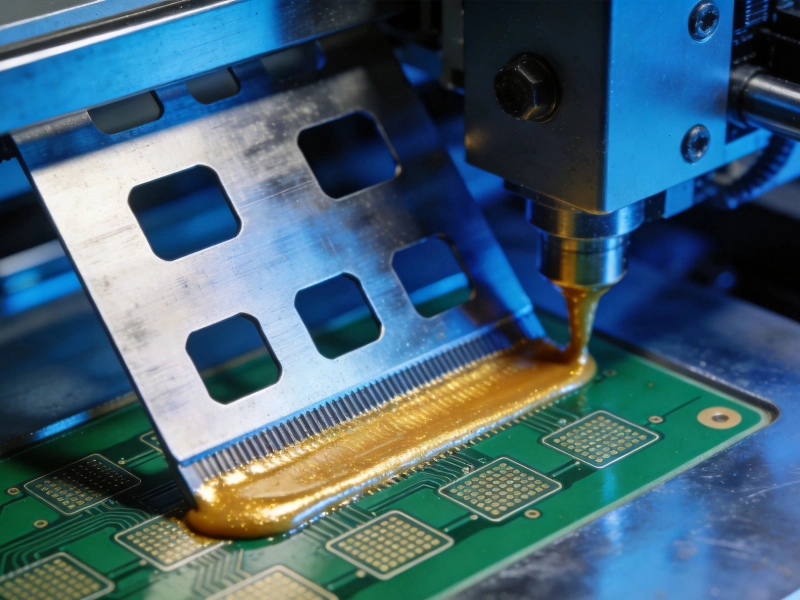
The Science of Solder Paste Printing: Keys to Perfect SMT AssemblyMay/19/2026
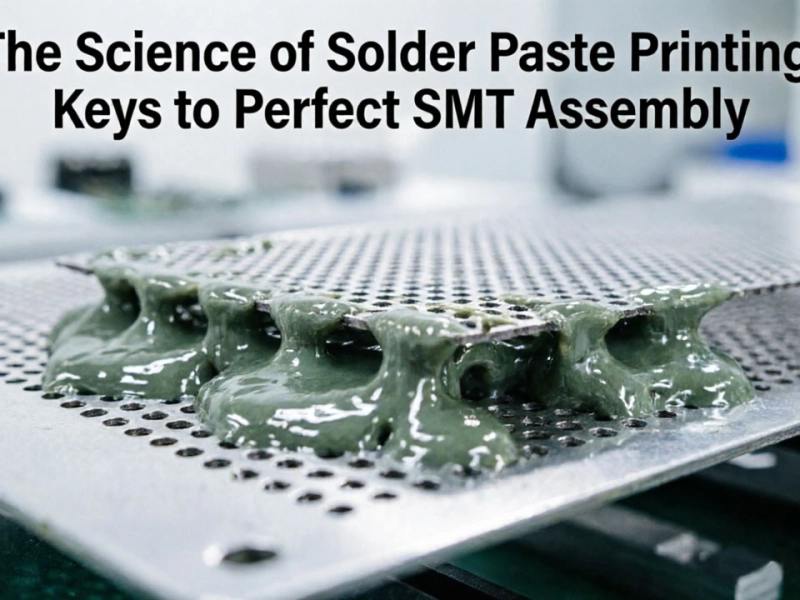
The Science of Solder Paste Printing Keys to Perfect SMT AssemblyJune/04/2026
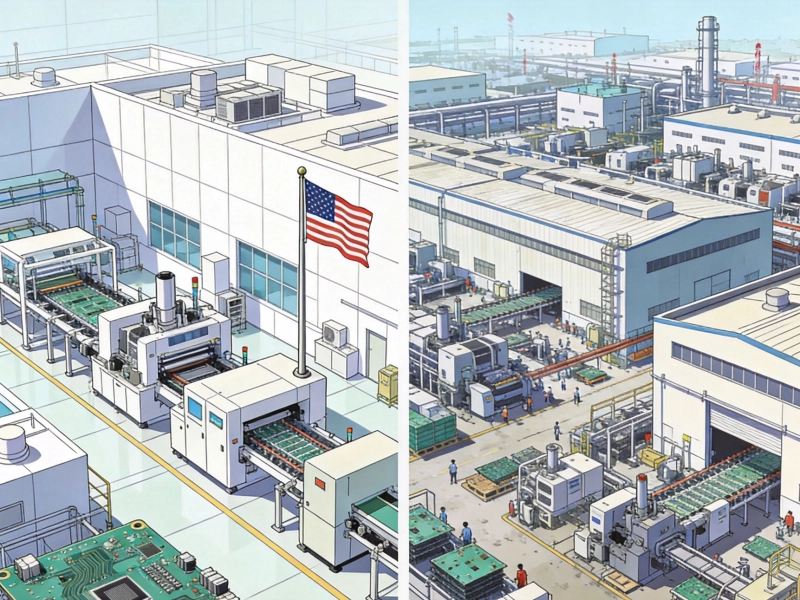
Offshore vs. Domestic PCB Assembly Services: Analyzing the Trade-offsJuly/16/2026
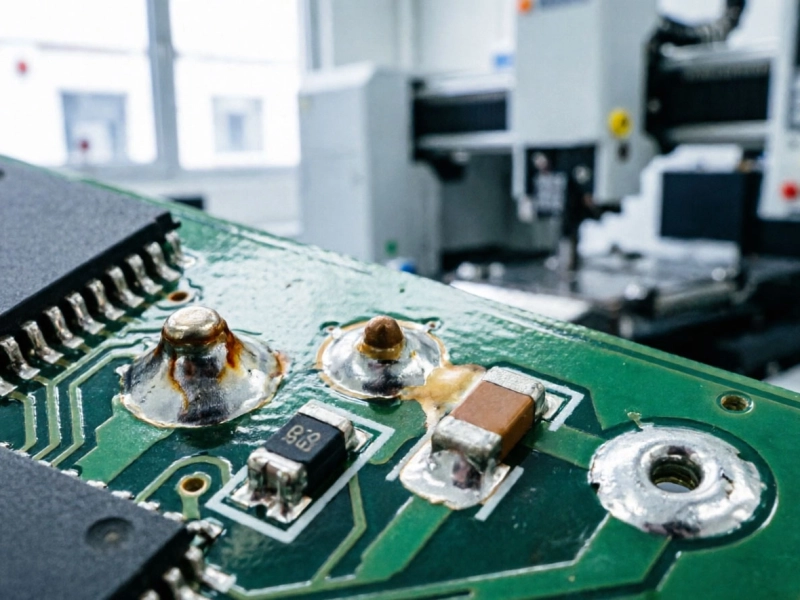
Common SMT Defects and How to Prevent Them in Your DesignJuly/03/2026
The Rise of AI in SMT Quality InspectionJune/18/2026