Open Nav



Skipping Prototype PCB Assembly can cost companies millions in failed products, delayed launches, and costly redesigns.
Every successful electronic product starts as an idea, but turning that idea into reality requires more than just good intentions. It needs validation, testing, and refinement before committing to mass production. This is where Prototype PCB Assembly becomes the critical bridge between concept and market-ready product.
In this comprehensive guide, we'll explain what prototype PCB assembly involves, why it's indispensable for research and development, and how proper prototyping can save your project from expensive failures.
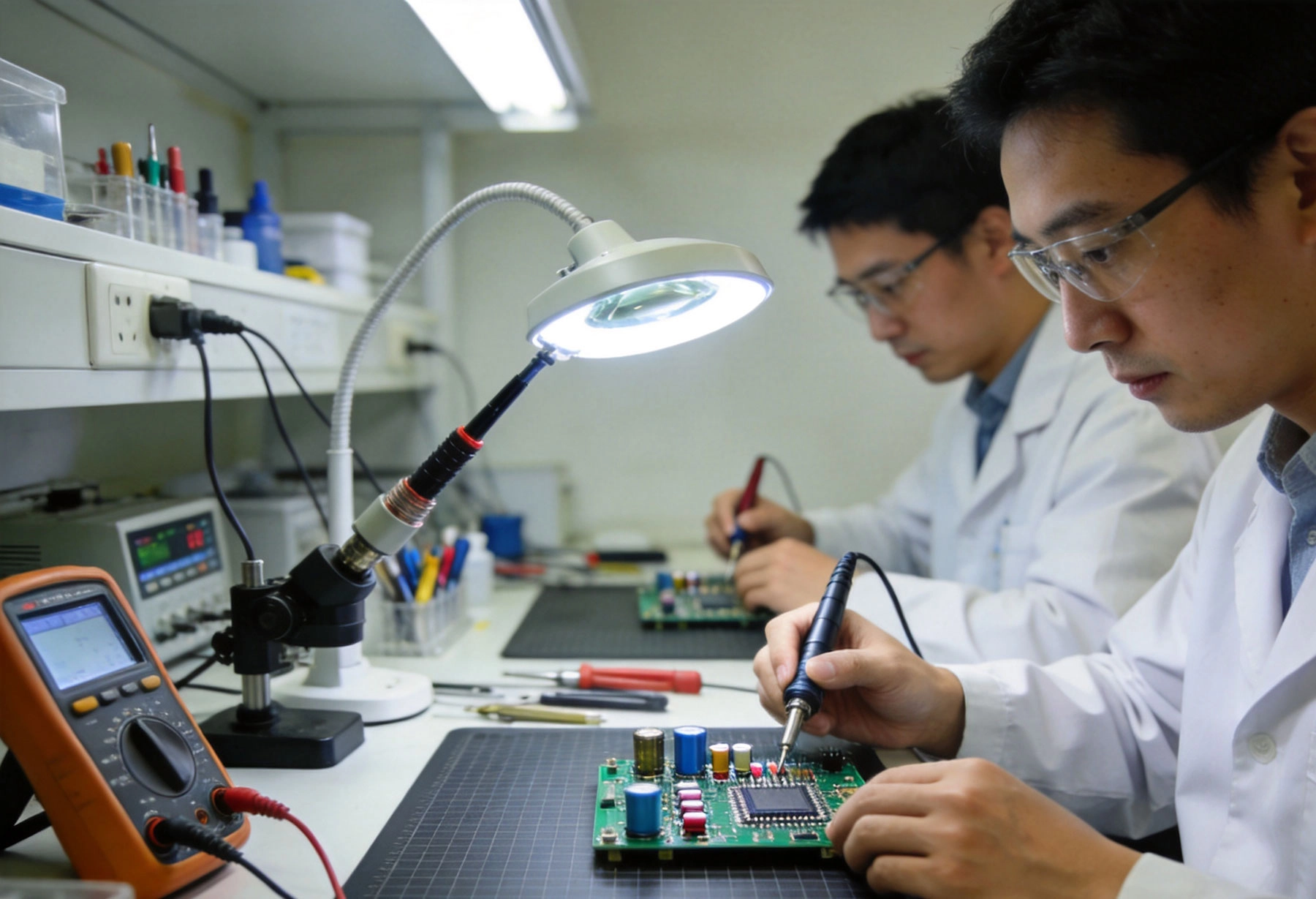
Prototype PCB assembly refers to producing small quantities of printed circuit boards specifically for testing and validation during the product development phase. Unlike mass production runs of thousands or millions of units, prototype assembly typically involves anywhere from 5 to 100 boards, allowing engineers to evaluate design functionality before scaling up.
Key characteristics of prototype PCB assembly include:
Prototype assembly isn't just about soldering components onto boards. It's a complete process that includes design review, component sourcing, assembly, testing, and often rework to get the design right before production.
Research and development teams face enormous pressure to deliver working products on time and within budget. Prototype PCB assembly directly addresses several critical R&D challenges:
Even the most carefully designed circuit boards can have issues that only surface when physically assembled. Signal integrity problems, thermal management failures, and mechanical fit issues often don't appear in simulation. Prototype assembly reveals these problems when they're still inexpensive to fix.
Consider this: redesigning a PCB after mass production tooling has begun can cost 10-50 times more than catching the same issue during prototyping. The investment in prototype assembly pays for itself many times over.
Datasheets don't always reflect real-world performance. Components might have unexpected behaviors when combined with other parts in your specific circuit. Prototype assembly lets you verify that chosen components work together as intended under actual operating conditions.
This is especially important for:
Prototype assembly identifies manufacturability issues early. Designs that look perfect on screen might be nightmare to assemble in reality. Common problems include:
Discovering these issues during prototyping allows design adjustments that improve mass production yield and reduce costs.
Understanding the prototype assembly workflow helps R&D teams plan effectively and avoid delays:
Engineers submit Gerber files, drill files, and BOM (Bill of Materials) to the assembly provider. Professional prototype services review these files for potential issues:
This review step catches problems before they become expensive mistakes.
For prototype quantities, component sourcing presents unique challenges. Distributors often have minimum order quantities exceeding prototype needs. Experienced assembly partners maintain relationships with suppliers who accommodate small orders or maintain inventory of common components.
Lead times for components can significantly impact prototype schedules. Smart planning involves identifying long-lead parts early and ordering them in parallel with board fabrication.
Before assembly, bare PCBs must be fabricated. Prototype PCB Fabrication typically uses quick-turn processes optimized for small quantities. Lead times range from 24 hours to 5 days depending on complexity and layer count.
Important fabrication considerations include:
Prototype assembly uses either through-hole, surface mount, or mixed technology depending on component types. Surface mount assembly involves:
Through-hole components require wave soldering or manual soldering, often used for connectors, large capacitors, and power components.
Assembled prototype boards undergo various tests depending on application requirements:
Prototype assembly almost always requires rework. Engineers discover design flaws, component issues, or assembly defects that need correction. Quality assembly partners provide rework services, allowing quick fixes and re-testing without starting over.
This iterative process is where prototype assembly delivers maximum value. Each iteration refines the design, moving closer to production-ready status.
Beyond design verification, prototype assembly delivers measurable benefits throughout the development process:
Quick-turn prototype assembly compresses development cycles. Instead of waiting weeks for boards, R&D teams can test designs within days. This speed enables more iterations within project timelines, leading to better final products.
Companies that skip prototyping often spend more time fixing problems discovered during production, ultimately delaying market launch.
While prototype assembly adds upfront cost, it dramatically reduces overall project expenses by:
Industry data suggests that every dollar spent on prototyping saves $10-100 in downstream costs.
Products that undergo thorough prototype testing reach market with fewer defects. This translates to better customer satisfaction, stronger brand reputation, and lower support costs.
Working with assembly providers during prototyping builds relationships that benefit mass production. Providers gain intimate knowledge of your designs, enabling smoother production transitions and faster problem resolution.
R&D teams often encounter obstacles during prototype assembly. Understanding these challenges helps avoid delays:
Problem: Long lead times or obsolescence for specified components delay prototype assembly.
Solution: Design with multiple approved components for critical parts. Identify alternatives during design phase, not when assembly is stalled waiting for parts.
Problem: Designs optimized for function perform poorly in assembly, causing low yield or reliability problems.
Solution: Engage assembly partners early for DFM (Design for Manufacturing) review. Their feedback on component placement, trace routing, and panelization prevents assembly headaches.
Problem: Missing or unclear assembly instructions lead to errors and rework.
Solution: Provide complete documentation including:
Problem: Rushing prototype assembly without allowing adequate time for review and iteration.
Solution: Build realistic schedules accounting for:
Selecting an assembly partner significantly impacts prototype success. Key evaluation criteria include:
Ensure the partner can handle your specific requirements:
Look for providers who specialize in prototype assembly rather than treating it as an afterthought to mass production. Dedicated prototype services offer:
Prototype development moves fast. You need a partner who responds quickly to questions, provides updates proactively, and alerts you immediately to potential issues.
Request references and case studies demonstrating successful prototype projects. Quality assembly partners take pride in helping customers achieve development goals.
Some organizations view prototype assembly as an unnecessary cost to be minimized. This perspective misses the strategic value prototyping provides.
Smart companies treat prototype PCB assembly as an investment in product success. They recognize that discovering problems early, when fixes are inexpensive, creates competitive advantages:
The companies leading in electronics innovation don't skip prototype assembly. They embrace it as an essential R&D practice that separates successful products from failed ones.
Prototype PCB assembly isn't optional for organizations committed to developing reliable electronic products. It's the difference between hoping your design works and knowing it works.
From design verification and component validation to manufacturing optimization and quality assurance, prototype assembly addresses challenges that no simulation or calculation can fully predict.
For R&D teams, the message is clear: invest in prototype assembly early and thoroughly. The cost is modest compared to production failures. The timeline impact is minimal compared to redesign delays. And the insights gained are invaluable for creating products that succeed in the market.
Ready to start your prototype PCB assembly project? Partner with experienced assembly providers who understand R&D needs and can guide you from initial design through production-ready boards. Your product's success depends on getting prototyping right.

What Are the Benefits of Small Batch PCB Assembly?May/18/2026
Wave Soldering vs. Selective Soldering for Through-Hole Components: Which Process Wins?July/15/2026
What is Low Volume PCB Assembly?May/18/2026
What is PCB Assembly?May/19/2026
How We Helped a Startup Scale with Low Volume AssemblyJune/26/2026