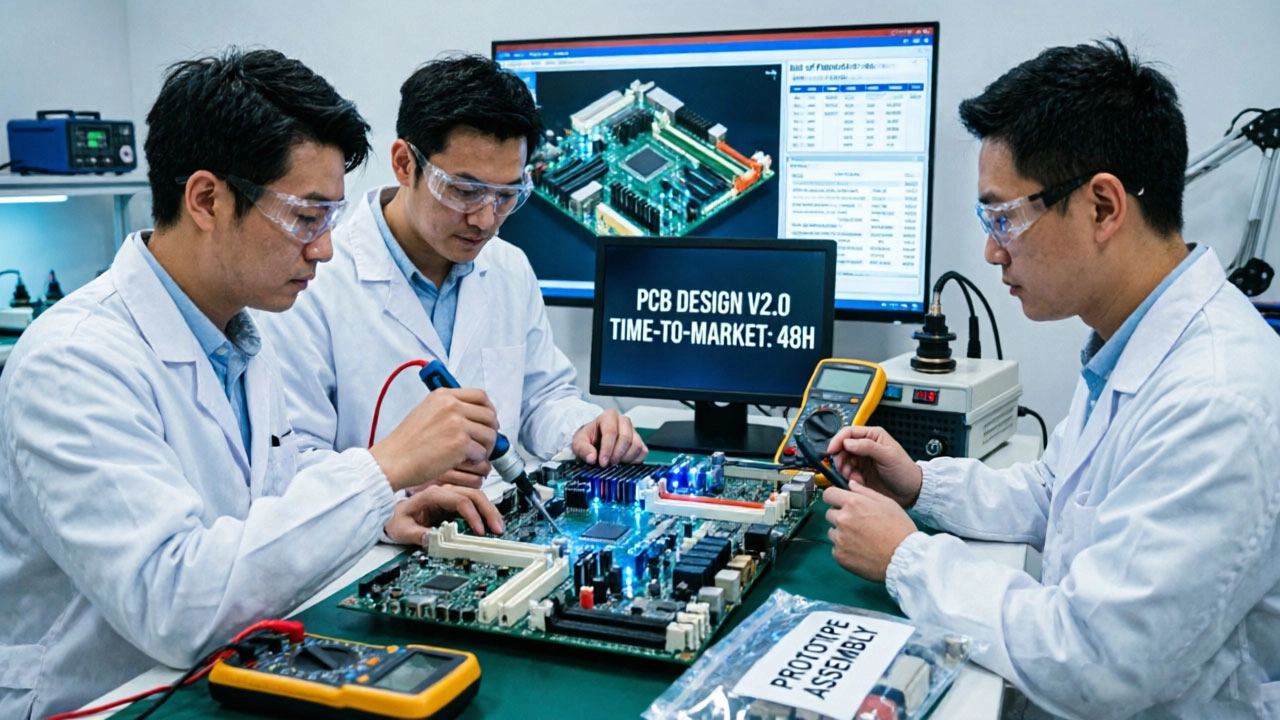
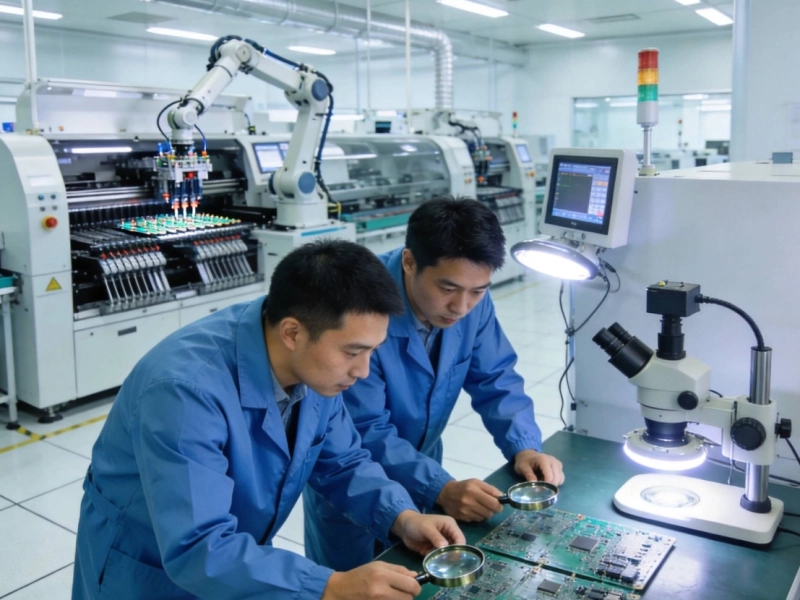
In today’s hyper-competitive electronics industry, fast prototype PCB assembly is not just a luxury—it’s a necessity. Companies that can iterate designs quickly and bring products to market ahead of competitors gain a massive edge. But how exactly does rapid prototyping shave weeks off your development cycle? Let’s dive into the practical realities, common pitfalls, and proven strategies that engineering teams use to stay ahead.

Why Speed Matters in Modern Electronics
Time-to-market (TTM) directly impacts revenue, investor confidence, and brand reputation. A delay of even two weeks can mean missing a critical trade show or losing a key contract. Fast prototype PCB assembly addresses this by compressing the traditional 4-6 week turnaround into 3-5 days. This speed allows teams to test real hardware early, catch flaws before mass production, and pivot based on actual performance data rather than simulations alone.
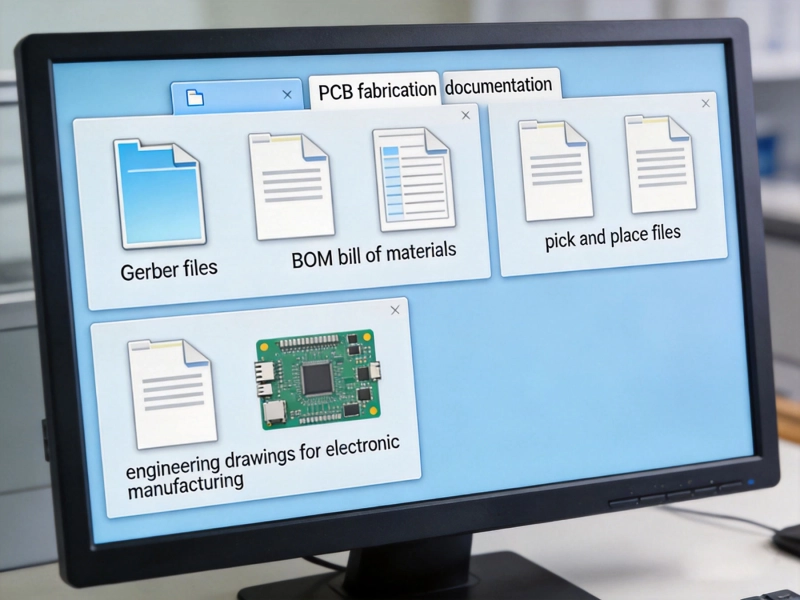
From my experience working with over 50 hardware startups, the biggest bottleneck isn’t the PCB fabrication itself—it’s the communication gap between design and assembly. Teams often assume that sending Gerber files is enough, but without clear assembly notes, component sourcing confirmation, and test point definitions, even the fastest fab house will pause for clarification. That pause kills momentum.
Core Principles of Effective Fast Prototype PCB Assembly
Speed without quality is just expensive rework. True acceleration comes from balancing velocity with precision. Here are the non-negotiable principles:
I’ve seen teams lose a month because they picked a low-cost assembler who didn’t understand fine-pitch BGA placement. The $200 savings cost them $20,000 in delayed launch. Always verify a vendor’s prototype track record—ask for case studies, not just brochures.
Real-World Case Study: Cutting TTM by 40%
A medical device startup I consulted for was stuck in a 7-week prototype loop. Their boards kept failing EMI tests, and each iteration took weeks to diagnose. We implemented three changes:
Result? Prototype turnaround dropped to 4 days, and total development time shrank from 28 weeks to 17. The key wasn’t just faster fabrication—it was integrating assembly feedback into the design phase. That’s where most teams miss the mark.
Common Pitfalls That Sabotage Speed
Even with the best intentions, teams stumble. Here are the top mistakes I’ve witnessed:
Also, don’t underestimate the human factor. Engineers sometimes “optimize” designs at 2 a.m. and forget to update the revision control. I’ve had clients receive boards that matched an outdated schematic because the latest changes weren’t communicated. Version control isn’t bureaucracy—it’s your safety net.
Leveraging Technology Without Losing Control
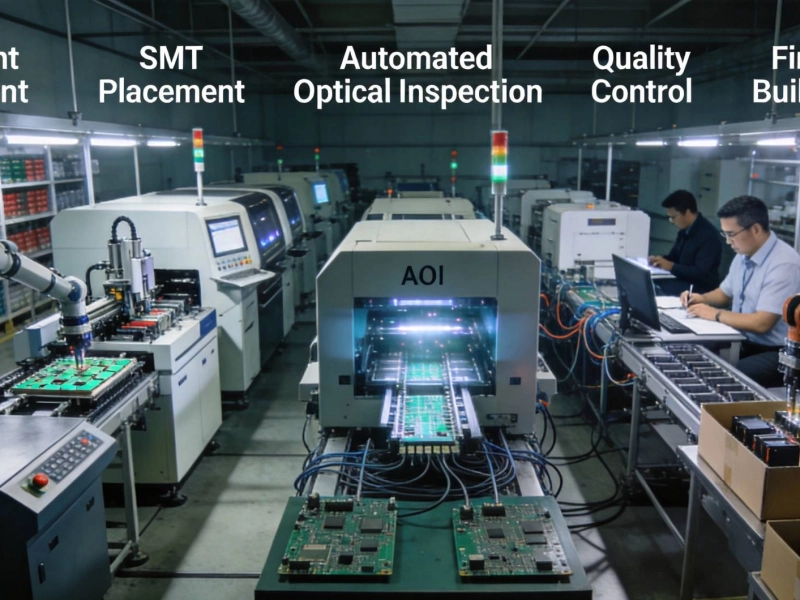
Automated optical inspection (AOI), X-ray for BGAs, and real-time production dashboards are standard in top-tier fast prototype PCB assembly shops. But technology alone isn’t enough. You need a partner who acts as an extension of your team—not just a vendor.
Ask potential assemblers: “How do you handle design changes mid-production?” If they say “we can’t,” walk away. The best shops have protocols for urgent revisions, including dedicated engineering liaisons who understand your product’s intent. This level of collaboration is what separates true acceleration from mere speed.
Also, consider local vs. overseas options. While overseas fabs offer lower prices, shipping and time zones add hidden delays. For true fast prototype PCB assembly, domestic or nearshore partners often deliver faster end-to-end results despite higher unit costs. Calculate total cost of delay, not just unit price.
Measuring Success Beyond Turnaround Time
Don’t just track days-to-delivery. Monitor these KPIs:
Teams that obsess over fabrication speed but ignore yield end up with fast but unusable boards. True acceleration means getting to a validated, functional prototype—not just a physical board.
FAQ: Fast Prototype PCB Assembly
Q: How fast is “fast” for prototype PCB assembly?
A: Industry-leading shops deliver assembled prototypes in 3-5 business days, including component procurement. Anything over 10 days isn’t truly “fast” in today’s market.
Q: Can I use the same assembler for prototypes and production?
A: Ideally, yes. Consistency reduces transition risks. But verify they have separate lines—prototype agility shouldn’t compromise production quality.
Q: What if my design has mixed technology (e.g., rigid-flex)?
A: Specialized fast prototype PCB assembly vendors handle complex builds, but lead times may extend to 7-10 days. Confirm capabilities upfront.
Q: How do I avoid component obsolescence during prototyping?
A: Use lifecycle management tools and choose assemblers with real-time inventory integration. Never assume a part will be available next month.
Take Action Today
Accelerating time-to-market with fast prototype PCB assembly isn’t about finding the cheapest or fastest vendor—it’s about building a responsive, integrated development ecosystem. Audit your current process: Are you losing days to communication gaps? Are component delays hiding in your BOM? Is your assembler a partner or just a printer?
Start small: Pick your next prototype and implement DFM checks, complete documentation, and a pre-submission checklist. Measure the difference. Then scale what works. In a world where speed defines survival, every day saved is a day closer to market leadership.
Remember, the goal isn’t just to build faster—it’s to learn faster. Fast prototype PCB assembly is your feedback engine. Use it wisely.