Open Nav



Let we dive deep into why smart companies are choosing smaller runs. We’re talking real-world experience here, not just textbook theory. Whether you’re a startup founder or a product manager at a larger firm, understanding these benefits can save your project from costly mistakes.
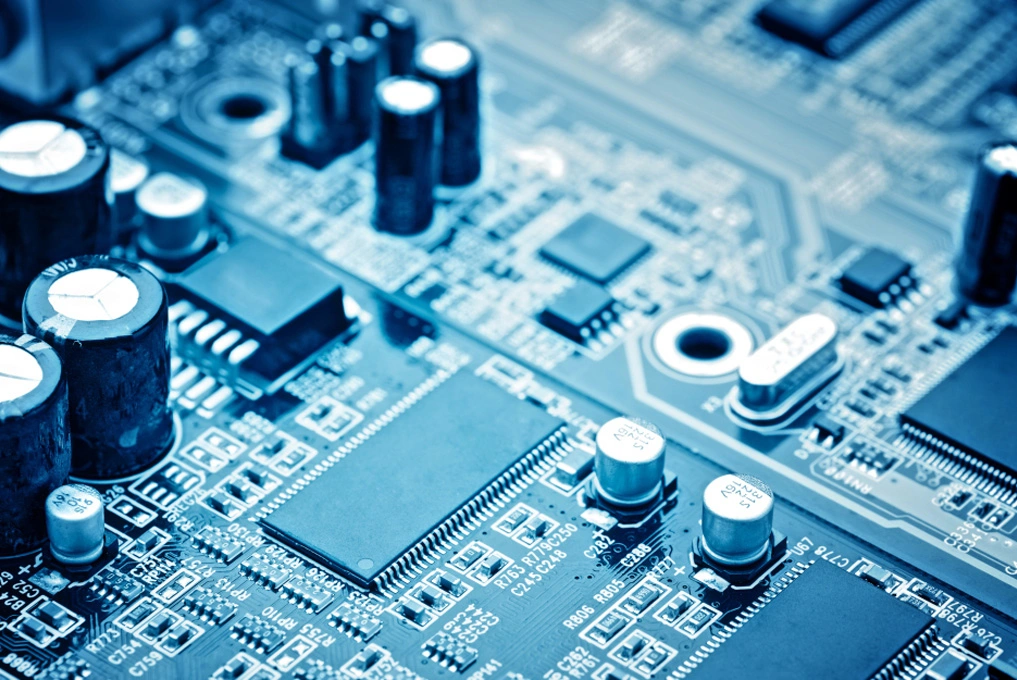
Small batch PCB assembly typically refers to production runs ranging from 10 to 500 units. It sits comfortably between one-off prototyping and high-volume mass production. This "middle ground" is where most hardware innovation happens today. It allows for rigorous testing and market validation without the massive capital expenditure required for large-scale manufacturing.
Unlike prototyping, which is often hand-assembled or done with quick-turn services that might skip some quality checks, small batch assembly uses the same automated processes as mass production. This means you get production-quality units, just in smaller numbers. It’s the best of both worlds.
Prototypes are for proving concept. Small batches are for proving business. When you move to small batch, you’re testing supply chains, packaging, and real-world user feedback. The units are identical to what your final customers will receive. This distinction is crucial because it changes how you approach design for manufacturability (DFM).
The most obvious benefit is cost control. In traditional manufacturing, you pay for tooling, setup, and components upfront. If you order 5,000 units and the product fails, you lose a lot of money. With small batch assembly, your initial investment is significantly lower.
Think about it. Would you rather spend $50,000 on inventory that might sit in a warehouse, or $5,000 on a batch that sells out in a month? The latter keeps your business healthy and flexible.
Speed is everything in tech. High-volume lines take weeks to set up. They need detailed planning, long lead times for components, and extensive quality assurance protocols before they start running. Small batch lines are more nimble.
You can get your first batch in 2-3 weeks. If users report a bug or a feature request, you can tweak the design and have the next batch ready in another few weeks. This rapid iteration cycle allows you to improve your product based on real feedback, not just assumptions. By the time your competitors are still setting up their mass production lines, you’ve already released version 1.2.
This agility is particularly valuable in industries like consumer electronics, where trends change quickly. Being first to market with a refined product often beats being second with a cheaper but outdated one.
There’s a misconception that small batches mean lower quality. Actually, the opposite is often true. In high-volume production, if a machine drifts slightly out of calibration, it might produce hundreds of defective units before anyone notices. In small batch assembly, each unit gets more attention.
For medical devices or aerospace components, this level of scrutiny is non-negotiable. Small batch assembly allows for the rigorous documentation and testing required by strict industry standards, such as ISO 13485 or AS9100, without the overhead of mass production.
Mass production hates change. Once the line is running, changing a component or layout is a nightmare. Small batch assembly thrives on customization. You can easily accommodate special requests, unique components, or complex mixed-technology boards (combining SMT and through-hole).
If your product requires specialized materials, like heavy copper for power applications or flexible substrates for wearable tech, small batch manufacturers are often more willing to accommodate these niche requirements. They don’t have to worry about slowing down a high-speed line that’s supposed to churn out simple boards all day.
This flexibility also extends to branding. You can easily customize silkscreen colors, add unique serial numbers, or include specific firmware versions for different beta tester groups. It’s a level of personalization that mass production simply can’t offer economically.
Let’s look at a hypothetical but realistic example. "TechNova," a startup developing a smart home sensor, initially planned for a 2,000-unit run. However, after consulting with their assembly partner, they opted for a small batch of 100 units first.
During the testing of these 100 units, they discovered a minor issue with the Wi-Fi module’s antenna placement that caused signal dropouts in certain corners of a room. Fixing this in the design phase cost them $500 in new stencils and a slight delay. If they had gone straight to 2,000 units, they would have had to recall or rework thousands of devices, costing tens of thousands of dollars and damaging their brand reputation.
By leveraging the benefits of small batch PCB assembly, TechNova launched a superior product, maintained their budget, and built trust with their early adopters. This is the power of starting small.
To get the most out of small batch production, follow these practical tips:
Let’s bust a few myths that might be holding you back.
Myth 1: "It’s too expensive per unit."
While the unit cost is higher than mass production, the total cost of ownership is often lower when you factor in reduced waste, lower inventory costs, and the ability to iterate. Don’t just look at the price tag; look at the value.
Myth 2: "It’s only for prototypes."
No, small batch is for production. These are sellable units. Many successful products stay in small batch production for years because their niche market doesn’t require huge volumes.
Myth 3: "Quality is inconsistent."
As mentioned earlier, small batch often receives more scrutiny. Automated processes ensure consistency, and the lower volume allows for more comprehensive quality checks.
So, what are the benefits of small batch PCB assembly? It’s about risk management, speed, quality, and flexibility. In today’s fast-paced electronics industry, the ability to adapt quickly is a competitive advantage. Small batch assembly provides the tools you need to innovate confidently, validate your market, and scale sustainably.
Don’t let the pressure of mass production dictate your strategy. Start small, learn fast, and grow smart. Your product—and your bottom line—will thank you.
Most manufacturers accept orders as low as 10 units, though some may have a minimum of 25 or 50 depending on the complexity and setup requirements.
Typical turnaround times range from 5 to 15 days, depending on component availability and the manufacturer’s current workload. Quick-turn options may be available for an additional fee.
Absolutely. Small batch assembly is designed to be a stepping stone. Once your design is validated and demand increases, you can seamlessly transition to high-volume manufacturing with the same or a different partner.
Yes, small batch manufacturers are often well-equipped to handle complex designs, including HDI, mixed-technology, and rigid-flex boards, offering more flexibility than high-volume lines.
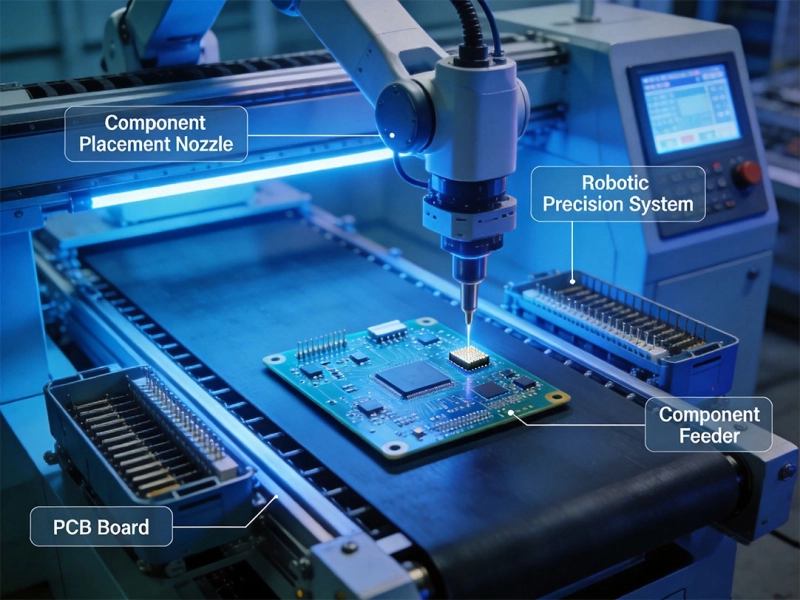
What is PCB Assembly?May/19/2026
Accelerating Time-to-Market with Fast Prototype PCB AssemblyJune/10/2026
How We Helped a Startup Scale with Low Volume AssemblyJune/26/2026
Do You Offer BGA Reballing and Rework Services?September/16/2026
How Flexible Are Low Volume PCB Assembly Manufacturers?May/18/2026