Open Nav



Low volume PCB production — whether 50 boards for a pilot run, 200 units for early field testing, or 1,000 pieces for a limited market launch — presents a sourcing challenge that high volume manufacturing rarely faces. The same Bill of Materials (BOM) that is straightforward to procure at 10,000 units can become a logistical puzzle when you only need a fraction of that. Minimum order quantities, distributor stock limits, long lead times on specialized parts, and the ever-present risk of obsolescence all conspire to make component sourcing one of the biggest headaches in low volume electronics manufacturing.
Understanding these challenges and developing strategies to address them is essential for keeping your low volume builds on schedule and within budget. This article walks through the key sourcing obstacles for small production runs and provides practical approaches to overcome them.
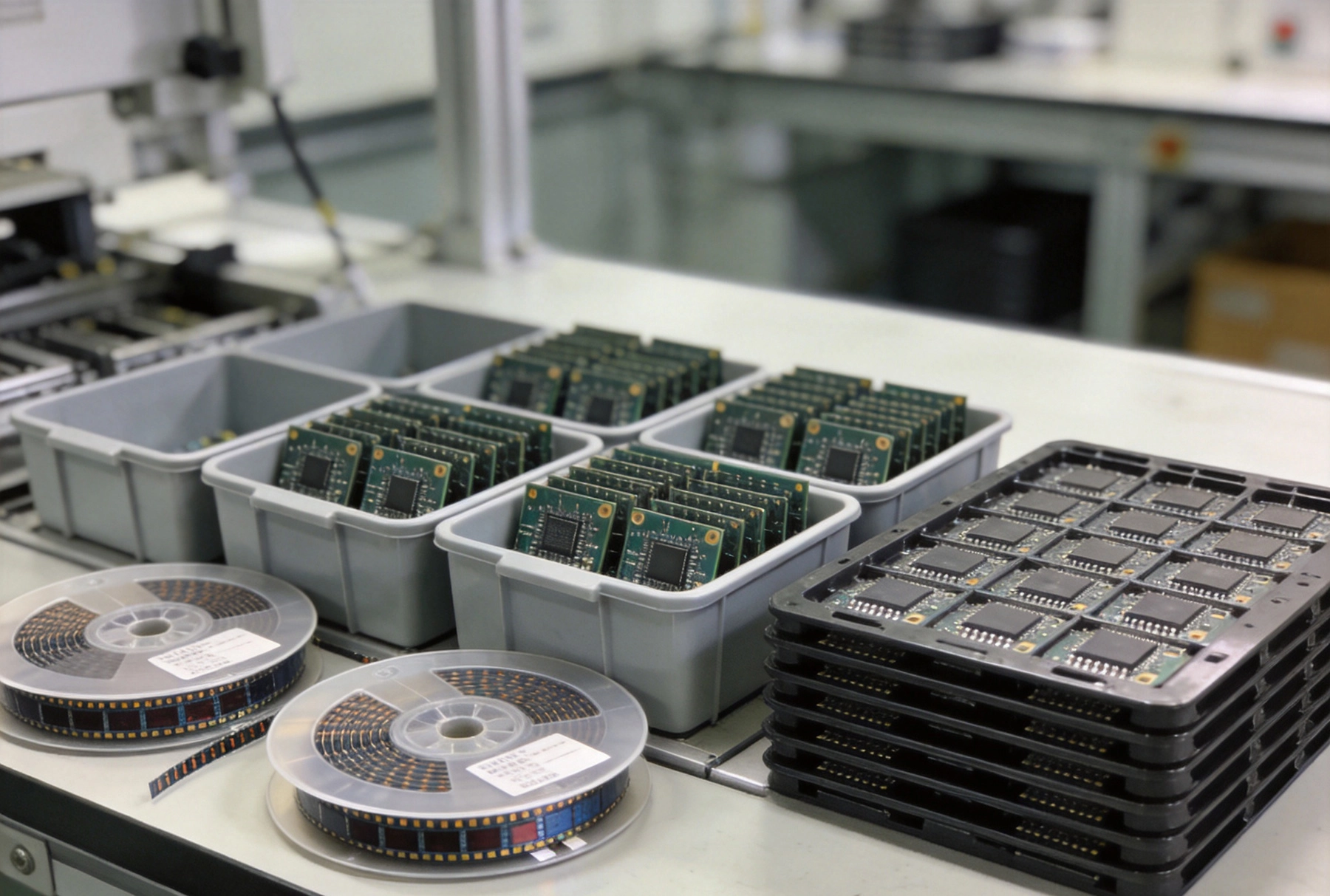
Minimum Order Quantity (MOQ) is the single most common sourcing barrier in low volume production. Many components — especially ICs, connectors, and specialized passive devices — are sold in packaging increments that far exceed the quantity needed for a small build. A power management IC that only comes on full reels of 3,000 units is wasteful when your build requires 50 pieces. An RF connector with an MOQ of 500 leaves you with 450 spares you may never use.
These mismatches create several downstream problems:
Several approaches can help mitigate MOQ issues:
In low volume production, lead time inconsistency can be just as damaging as MOQ problems. Your BOM likely contains a mix of components with different availability profiles:
When any single component on your BOM has a long lead time, it sets the pace for your entire production schedule. A board that could be assembled in 3 days gets pushed to 14 weeks because one power IC is on backorder. This is especially painful in low volume runs, which are often time-sensitive — prototype validation, field testing, and early market entry all have hard deadlines.
Component obsolescence is a particular risk for low volume and low rate production. When you are building small quantities over an extended period — say 200 boards per quarter for three years — the chances that one or more BOM components will be discontinued during the product lifecycle are surprisingly high. Industry data suggests that the average electronic component has a lifecycle of 5-7 years, but for specialized ICs and RF devices, it can be as short as 2-3 years.
Obsolescence creates a cascade of problems for low volume programs:
One of the strongest arguments for using a Turnkey PCB Assembly partner for low volume production is the sourcing support they provide. A turnkey partner takes responsibility for procuring all BOM components and delivering assembled boards, which shifts the sourcing burden from your team to theirs. This provides several advantages:
Even though your individual run may be small, a turnkey assembler aggregates demand across many customers. They may have existing stock of common components, relationships with distributors that bypass standard MOQs, or the ability to purchase cut-tape quantities at favorable pricing through volume agreements. What would be a full-reel purchase for you might be a few hundred pieces pulled from their existing inventory for them.
Turnkey assemblers work with component sourcing daily. They know which distributors are reliable for small quantities, which ones have aggressive allocation policies, and which parts are currently experiencing supply issues. This institutional knowledge helps them navigate the market more efficiently than a company that only sources components a few times per year.
A good turnkey partner will review your BOM before procurement begins, flagging components that are obsolete, have long lead times, or carry high allocation risk. This review often catches issues that design teams miss — especially parts that appear available on distributor websites but are actually non-stocked items with 16-week lead times. Catching these issues before the build is scheduled prevents expensive delays.
When a primary BOM component is unavailable, an experienced turnkey partner can often suggest qualified alternatives from their own library of validated substitutions. They have the advantage of having used thousands of different components across hundreds of builds, giving them practical knowledge of which alternatives work and which do not. This can save weeks of engineering evaluation time compared to finding and qualifying substitutes on your own.
In low volume production, the choice between consignment assembly (you provide all components) and turnkey assembly (the manufacturer procures everything) has significant sourcing implications.
For most low volume runs, turnkey assembly offers a better risk-reward balance than consignment, particularly when:
Before you begin your next low volume production run, work through this checklist to identify and address sourcing risks early:
Yes. Many assembly partners support partial turnkey or hybrid sourcing, where you provide certain critical or pre-qualified components while the assembler procures the rest. This is common when you have proprietary components, pre-programmed devices, or parts with strict qualification requirements that you want to source yourself, while leaving commodity procurement to the assembler.
If cut-tape is not available and the MOQ far exceeds your needs, consider: (1) purchasing the full reel and storing excess for future builds, (2) asking your assembler if they can use reel remnants from their inventory, or (3) redesigning with an alternative component that has better small-quantity availability. For passive components, alternative values or package sizes are often available with more flexible packaging options.
Act quickly. First, check available stock — distributors and brokers often have remaining inventory even after a discontinuance announcement. Second, evaluate the last-time buy quantity needed to cover your remaining production. Third, begin qualifying an alternative part immediately. Do not wait until buffer stock runs out to start the replacement process, as qualification and requalification timelines can be months long.
Brokers can source components that are unavailable through franchised distributors, but they carry risks: parts may be from unknown origins, may have been improperly stored, or may be counterfeit. For low volume production, the cost savings of using a broker are often not worth the quality risk. If you must use a broker, require full traceability documentation, lot-specific test reports, and incoming inspection including electrical verification. Your assembly partner may have vetted broker relationships that reduce this risk.
Often, yes — especially for low volume runs where schedule delays have outsized impact. The cost difference between a component with a 2-week lead time and an equivalent part with a 16-week lead time may seem significant on paper, but when you factor in the cost of delayed market entry, idle engineering time, and rescheduled builds, the shorter-lead part is almost always the better economic choice. Evaluate component cost in the context of total program cost, not just BOM cost.
Component sourcing for low volume production will never be as straightforward as it is for high volume manufacturing. But the challenges — MOQ mismatches, lead time variability, obsolescence risk — are manageable with the right strategies. Design for availability, plan procurement early, maintain a living BOM with alternatives, and leverage the sourcing capabilities of a turnkey partner when it makes sense. By treating component sourcing as a strategic activity rather than an afterthought, you can keep your low volume builds on track and avoid the delays and cost overruns that derail so many small production programs.
Contact us to discuss your requirements
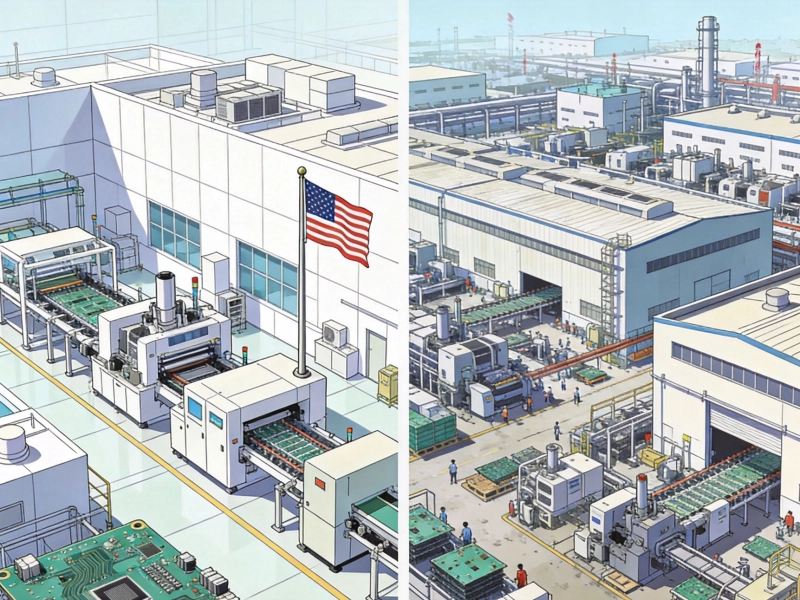
Offshore vs. Domestic PCB Assembly Services: Analyzing the Trade-offsJuly/16/2026
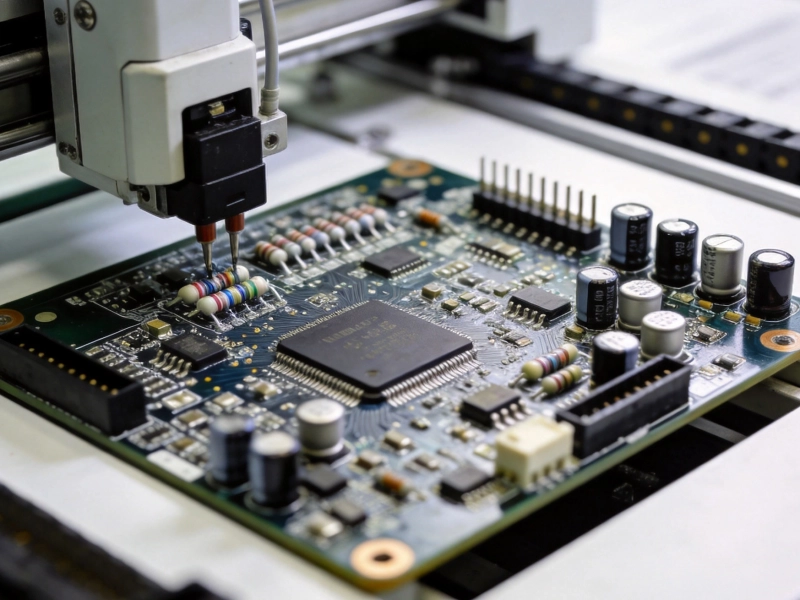
Optimizing Component Spacing for Efficient PCB AssemblySeptember/10/2026
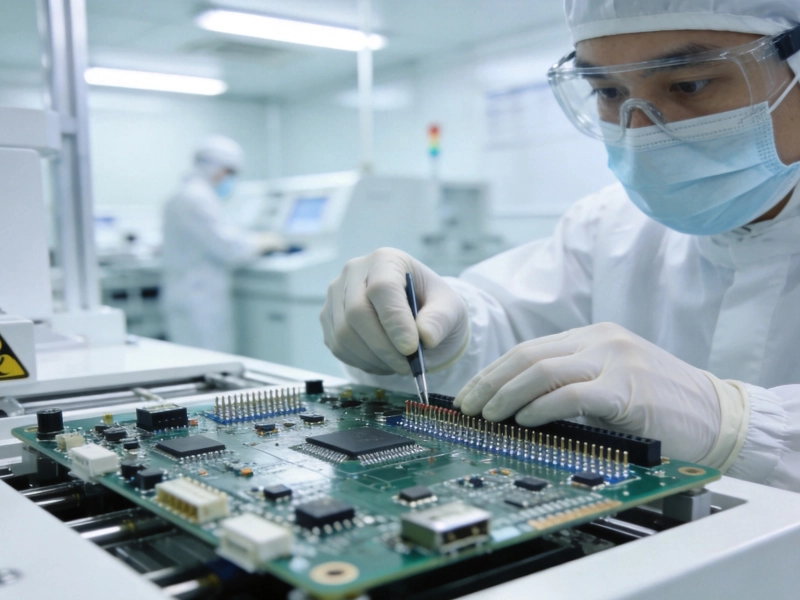
Medical PCBA: Meeting Strict Regulatory Standards in AssemblySeptember/01/2026
Overcoming Minimum Order Quantity (MOQ) Challenges in PCBAAugust/14/2026
Challenges in Assembling 0201 and 01005 Miniature ComponentsSeptember/21/2026