Open Nav



If you are an electronics engineer or hardware developer, the question "how long does Prototype PCB Assembly take?" is probably one of the first things you want answered when you start a new project. The honest answer is that it depends—a Prototype PCB Assembly can take anywhere from 24 hours for an express rush order to 3 weeks for a complex multilayer board with hard-to-source components. Understanding the factors that influence this timeline will help you plan your development schedule more accurately and avoid the frustration of waiting on an unpredictable turnaround.
In this article, we will break down what a typical prototype PCB assembly timeline looks like, explain the key variables that determine how long your specific order will take, and share practical steps you can take to accelerate the process.
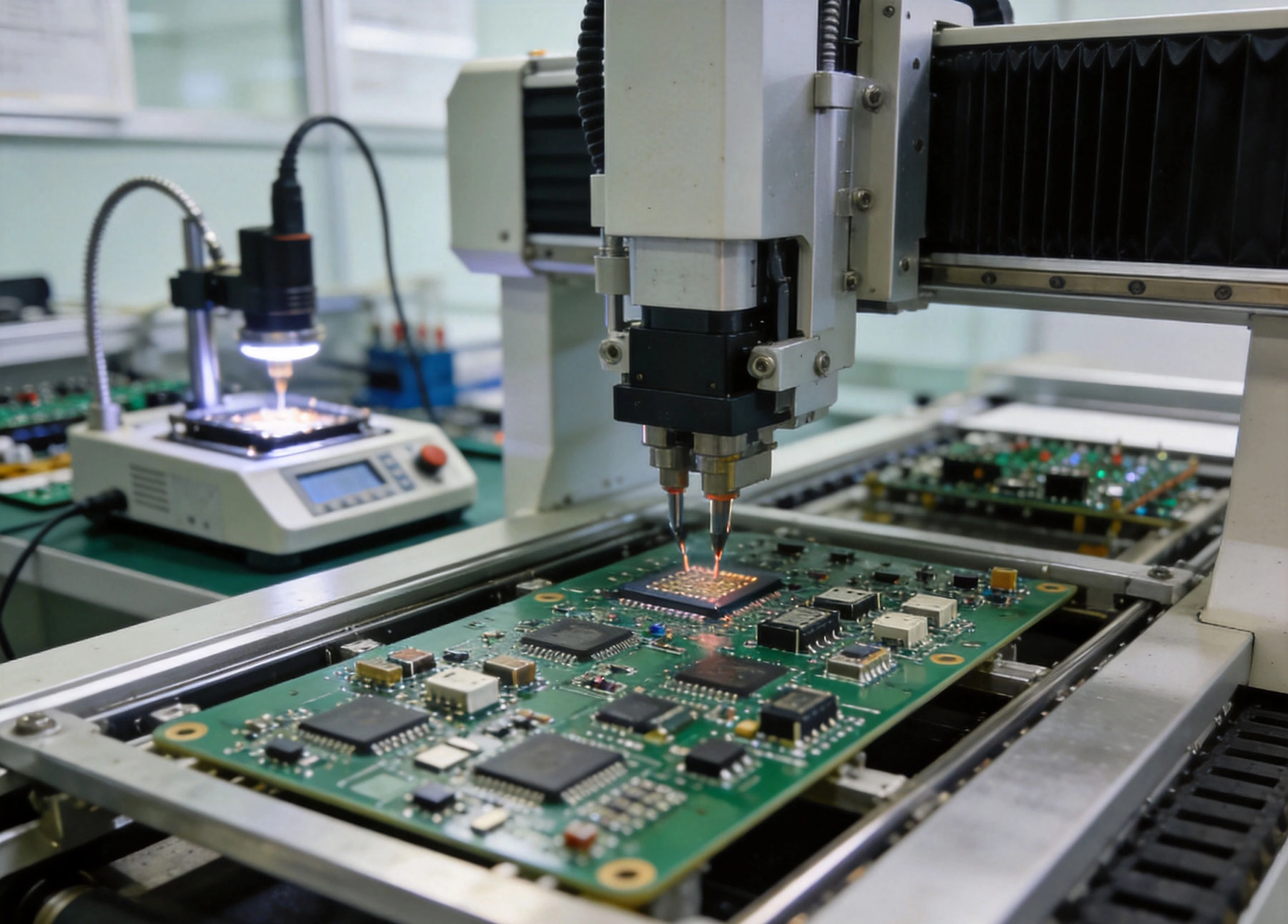
Before diving into timelines, let us clarify what prototype PCB assembly actually means. Prototype PCB assembly is the process of soldering electronic components onto a bare printed circuit board to create a functional circuit that can be tested and validated. Unlike full-scale production runs, prototype assembly typically involves smaller quantities—often just 5 to 25 boards—and serves the primary purpose of verifying that a design works as intended before committing to mass production.
Prototype assembly can include Surface Mount Technology (SMT) assembly, where components are placed on the surface of the board, as well as through-hole assembly, where component leads are inserted into drilled holes and soldered on the opposite side. Many prototypes use a combination of both, depending on the components and the application requirements.
Here is a general overview of what you can expect in terms of turnaround time for prototype PCB assembly:
The fastest option available, express prototype PCB assembly is ideal for urgent validation needs or when you need to replace a failed board in the field quickly. This tier typically supports simple to moderately complex boards with standard components and surface finishes. Orders must be submitted with complete, production-ready Gerber files and a bill of materials (BOM) with components readily available in stock. You should not expect express service for boards requiring hard-to-find parts, exotic materials, or complex assembly such as BGA packages or fine-pitch QFN components.
The most commonly requested timeline, standard prototype PCB assembly covers the majority of engineering prototype needs. This range accommodates boards with moderate complexity, a mix of SMT and through-hole components, and standard surface finishes such as HASL or OSP. Most EMS providers can comfortably deliver boards of this complexity within 3 to 5 business days, assuming the BOM components are in stock and the design files are complete and well-prepared.
Boards with higher layer counts (8 layers or more), advanced packaging such as BGA or fine-pitch QFN, controlled impedance requirements, or specialized materials like flex circuits typically fall into this category. The additional time is needed for more careful CAM processing, specialized tooling setup, and potentially manual inspection steps that cannot be fully automated. If your BOM includes components that need to be sourced from suppliers rather than pulled from existing inventory, factor in additional days for procurement as well.
In a full turnkey scenario, the assembly provider not only manufactures the PCB and assembles the components but also procures all the parts on your behalf. This convenience comes with a trade-off in time, as component sourcing—especially for out-of-stock or long-lead-time parts—can significantly extend the overall timeline. If you need boards assembled with parts you provide, the turnaround will be faster than full turnkey, assuming those parts are available and shipped promptly.
Understanding what drives the timeline will help you make better decisions during the planning phase of your project. Several key variables determine how long your prototype assembly will take.
Complexity is one of the biggest drivers of assembly time. Simple double-sided boards with standard SMD components process quickly because the automated pick-and-place machines and reflow ovens can handle them efficiently. As complexity increases—more layers, finer component pitches, higher component density—the setup time and process margins grow. BGA packages, for instance, require X-ray inspection to verify solder joint quality, which adds time compared to a standard visual inspection for QFP packages.
The old saying "a chain is only as strong as its weakest link" applies perfectly to PCB assembly timelines. If your BOM contains components that are out of stock or have long lead times from distributors, your entire order waits on those parts. Providing components from your own inventory eliminates the sourcing delay. Even better, working with an assembly provider that maintains a large stock of common components can dramatically reduce wait times for standard parts like resistors, capacitors, and popular ICs.
Standard surface finishes like HASL and OSP are processed quickly because they require minimal chemical treatment steps. ENIG (Electroless Nickel Immersion Gold), which provides a flat gold surface ideal for fine-pitch components, takes longer due to the additional plating bath steps. Similarly, specialty board materials like Rogers high-frequency laminates or metal-core substrates require different processing conditions compared to standard FR-4, which can add processing time.
Every board goes through some level of inspection, but the depth of inspection varies based on the application. Standard prototype boards typically receive automated optical inspection (AOI) and basic electrical testing. Boards for aerospace, medical, or automotive applications may require additional testing such as X-ray inspection for hidden solder joints, ICT (In-Circuit Testing), or functional testing under power. These extra steps extend the timeline but are essential for verifying mission-critical designs.
Even if your design is straightforward, the queue position of your order affects when it enters production. Assembly shops typically operate on a first-come-first-served basis for standard orders, with express orders receiving priority scheduling. Placing your order during a peak period—often at the beginning of a quarter when many companies launch new projects—may mean a longer wait compared to off-peak periods.
While some delays are unavoidable, there are concrete steps you can take to minimize the time between placing your order and receiving your assembled boards.
Beyond just the assembly step, it helps to have a realistic view of the entire prototype development cycle so you can set expectations with your team and stakeholders. Here is a rough breakdown for a moderately complex 4-layer prototype board with standard components:
Adding these up, a standard prototype PCB assembly cycle from file submission to doorstep delivery typically runs 5 to 15 business days for a straightforward order. Complex boards or turnkey orders with component sourcing can stretch to 3 weeks or more.
Even with the best intentions, certain mistakes repeatedly cause prototype assembly delays. Being aware of them will help you avoid them in your next project.
One of the most common issues is mismatched BOMs—where the component list in your bill of materials does not match the footprints in your PCB design files. This forces the assembly team to halt and clarify before proceeding, which can cost days. Another frequent problem is footprints that do not match the actual component dimensions. Always verify that your PCB library footprints correspond to the manufacturer's datasheet for the exact part you plan to order.
Overly optimistic scheduling also trips up many engineering teams. Assuming a 5-day turnaround when the actual queue at your assembly provider is 3 days plus shipping means your boards arrive 8 days after you expected them. Always add buffer time for shipping, especially for international orders, and build in at least a day of contingency for unexpected issues.
While express turnaround options are invaluable for urgent situations, there is a trade-off worth considering. Extremely fast turnaround times sometimes mean the assembly provider skips certain verification steps or uses the most expedient rather than the most reliable process for a given situation. For your most critical first prototypes—where you are validating a new architecture or testing components for the first time—it may be worth choosing a standard timeline that allows for thorough inspection and testing rather than pushing for the fastest possible delivery.
This does not mean you should never use express services. It means you should match the service tier to the criticality of the prototype. A validation board for a proven reference design might be fine for 24-hour turnaround. A first-spin prototype of a new architecture warrants the extra care that a standard timeline provides.
The fastest standard express service offered by most assembly providers is 24 hours. This is typically limited to simple to moderately complex boards with standard surface finishes, in-stock components, and complete design file submission during business hours. Not all designs qualify for express service.
Bare PCB Fabrication alone can be as fast as 24 hours for simple boards under express service, or 1 to 3 business days for standard service. The addition of assembly adds another 1 to 5 business days depending on component availability and assembly complexity.
Yes, component procurement is often the longest variable in a turnkey prototype assembly order. If your BOM contains out-of-stock parts or components with long lead times from distributors, sourcing can add days or even weeks to your order. Providing your own components eliminates this delay entirely.
Boards with BGA (Ball Grid Array) packages typically require X-ray inspection to verify solder joint quality beneath the component, which adds time compared to components with visible leads. Add 1 to 2 additional business days to your estimated timeline for BGA assembly and inspection compared to standard QFP or SOIC packages.
Most professional assembly providers offer online order tracking that shows the current stage of your board—file review, panel fabrication, SMT assembly, inspection, testing, and shipping. Ask your provider about their tracking capabilities when placing the order so you know what to expect.
Prototype PCB assembly turnaround times vary widely based on board complexity, component availability, surface finish requirements, and the service tier you choose. A simple board with in-stock components can be assembled and shipped within 24 to 48 hours, while a complex multilayer board requiring component procurement may take 2 to 3 weeks. The key to managing this timeline is preparation: provide complete and accurate design files, verify your BOM against your footprints, use standard specifications when possible, and communicate special requirements upfront.
When you understand what drives the timeline, you can make informed trade-offs between speed and thoroughness, choose the right service tier for each stage of your project, and plan your development schedule with confidence. If you have a prototype PCB assembly order ready to go, submit your files today and let us help you move from design to functional hardware as quickly as possible.
This article is provided for general informational purposes. Actual turnaround times may vary based on specific design requirements, provider capabilities, and order volume at the time of submission.
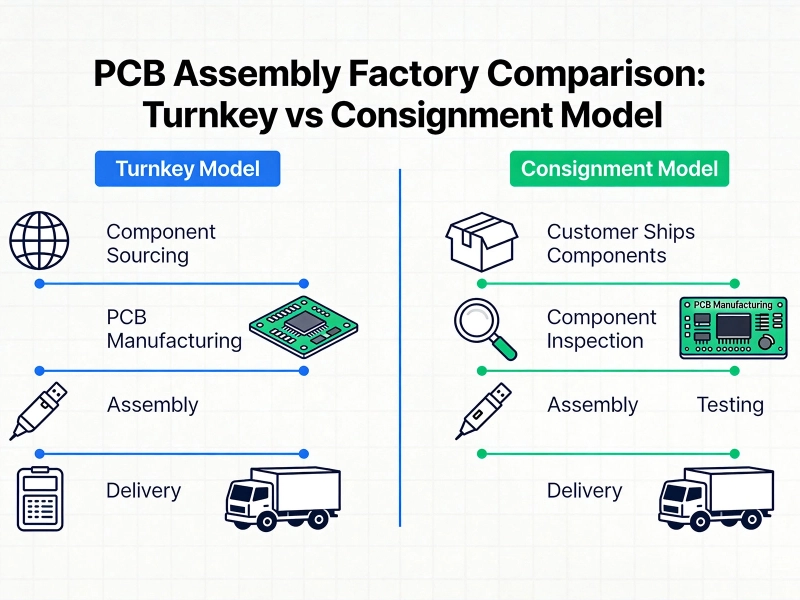
Turnkey PCB Assembly vs Consignment: Which Model Actually Fits Your Project?June/05/2026
Do You Offer BGA Reballing and Rework Services?September/16/2026
How Flexible Are Low Volume PCB Assembly Manufacturers?May/18/2026
Wave Soldering vs. Selective Soldering for Through-Hole Components: Which Process Wins?July/15/2026

What is the Difference between Class 2 and Class 3 PCBA?September/02/2026