Open Nav



So, you’ve got a brilliant idea for a new electronic device. You’ve sketched the schematic, maybe even built a messy breadboard prototype that kinda works. Now comes the hard part: turning that into a real, tangible product. This is where many founders get stuck. They hear terms like "mass production" and panic about minimum order quantities (MOQs) of 10,000 units. But there’s a middle ground. What is Low Volume PCB Assembly? It’s the secret weapon for smart hardware development.
In this guide, we’ll break down exactly what low volume assembly means, why it’s crucial for your business strategy, and how to avoid common pitfalls. We’re not just talking theory here; this is based on years of hands-on experience in the electronics manufacturing industry.

At its core, Low Volume PCB Assembly refers to the production of printed circuit board assemblies (PCBAs) in small quantities. While definitions vary slightly between manufacturers, it generally covers runs from 10 to 500 units. Some might stretch this to 1,000, but once you hit that mark, you’re often entering "mid-volume" territory where different economies of scale kick in.
It’s important to distinguish this from prototyping. Prototyping is usually 1-5 boards, meant purely for testing functionality. Low volume assembly is for pilot runs, market validation, or niche products where demand doesn’t justify massive inventory. It’s the bridge between "it works on my bench" and "it’s ready for customers."
You might wonder, why not just go straight to mass production? Well, besides the huge upfront cost, there’s the risk of error. If you order 5,000 units and find a bug in the firmware or a flaw in the component placement, you’re stuck with 5,000 expensive paperweights. Low volume allows you to catch these issues early. It’s cheaper to fix 50 boards than 5,000.
Choosing low volume isn’t just a compromise; it’s a strategic advantage. Here is why savvy engineers and product managers prefer this approach:
It’s not all smooth sailing. Low volume assembly has its own set of headaches. Being aware of them helps you plan better.
Let’s be real: the price per unit will be higher than mass production. Setup fees, stencil costs, and programming time are spread over fewer units. However, the total cost of ownership is often lower because you avoid waste and excess inventory. Don’t just look at the unit price; look at the total project budget.
Some suppliers have minimum pack quantities (MPQs). If a chip comes in reels of 3,000 but you only need 50, you’re paying for 2,950 chips you don’t need. To mitigate this:
In high volume, every second of cycle time is optimized. In low volume, there’s less room for fine-tuning. This means you need to ensure your Design for Manufacturability (DFM) is spot-on from the start. A good assembler will help you here, but don’t rely on them to fix a bad design.
Not all manufacturers are created equal. When vetting partners, look for these specific traits:
There’s a lot of misinformation out there. Let’s clear up a few myths.
Myth 1: "It’s too expensive to be viable."
Truth: While unit costs are higher, the ability to iterate and validate market fit often saves money in the long run. It’s an investment in certainty.
Myth 2: "Quality is lower than mass production."
Truth: Actually, low volume often gets more attention. Each board is inspected more closely because the volume is manageable. Many low-volume assemblers use the same high-end pick-and-place machines as high-volume factories.
Myth 3: "I can just assemble it myself."
Truth: For 5 boards, sure. For 100? It’s a full-time job. Hand soldering introduces variability and potential for human error. Professional assembly ensures consistency and reliability, which is crucial for brand reputation.
Understanding what is low volume PCB assembly is the first step toward bringing your electronic product to life. It offers a balanced approach that minimizes risk while maximizing flexibility. By choosing the right partner and focusing on design for manufacturability, you can navigate the transition from prototype to product with confidence.
Don’t let the fear of large MOQs stall your innovation. Embrace the agility of low volume production. It’s not just a manufacturing choice; it’s a business strategy that supports sustainable growth and smarter decision-making.
Typically, it ranges from 5 to 15 days, depending on component availability and complexity. Quick-turn options may be available for an extra fee.
Yes, one of the main benefits is flexibility. You can iterate your design between batches, though each change may incur new setup or stencil costs.
Absolutely. It’s ideal for initial launches, crowdfunding campaigns, and niche consumer products where demand is still being established.
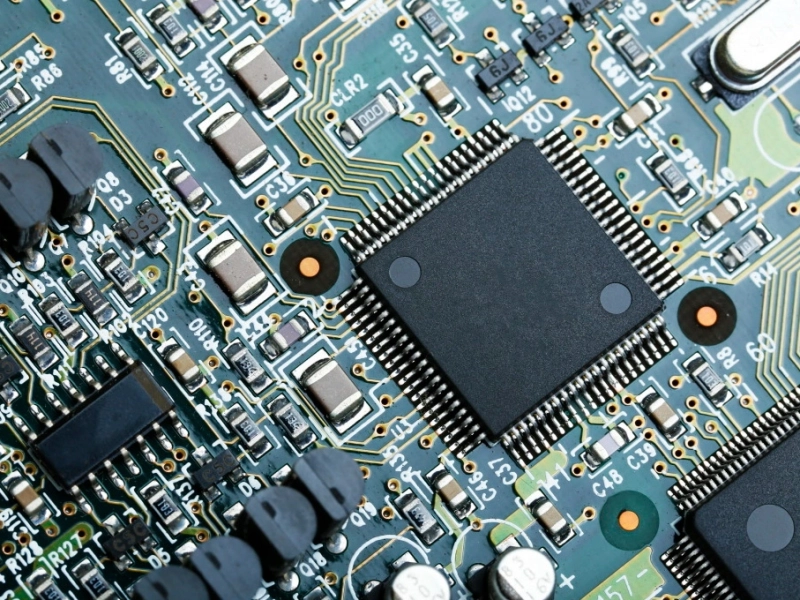
What's the Difference Between Prototype PCB Assembly and Low Volume PCB Assembly ?May/18/2026
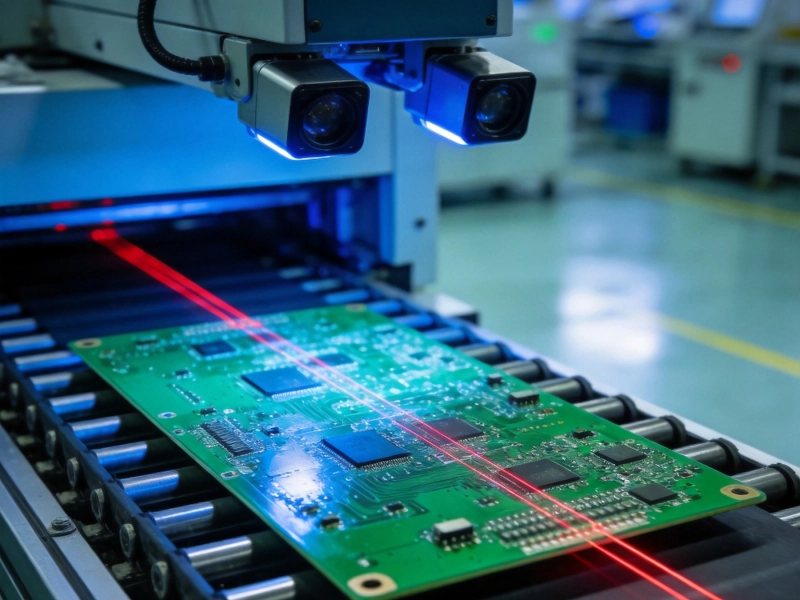
Understanding AOI (Automated Optical Inspection) in PCB Assembly Quality ControlJuly/28/2026
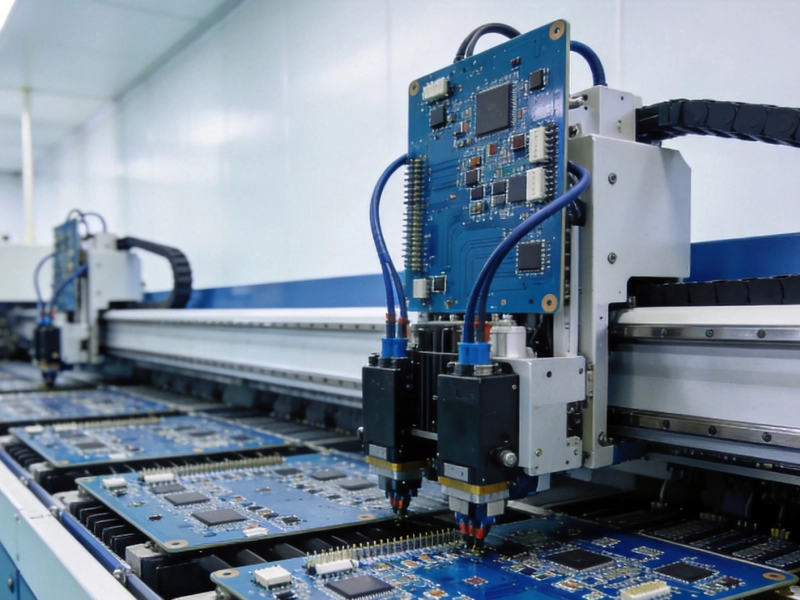
FAQ: Can You Assemble Boards with Components on Both Sides?July/22/2026
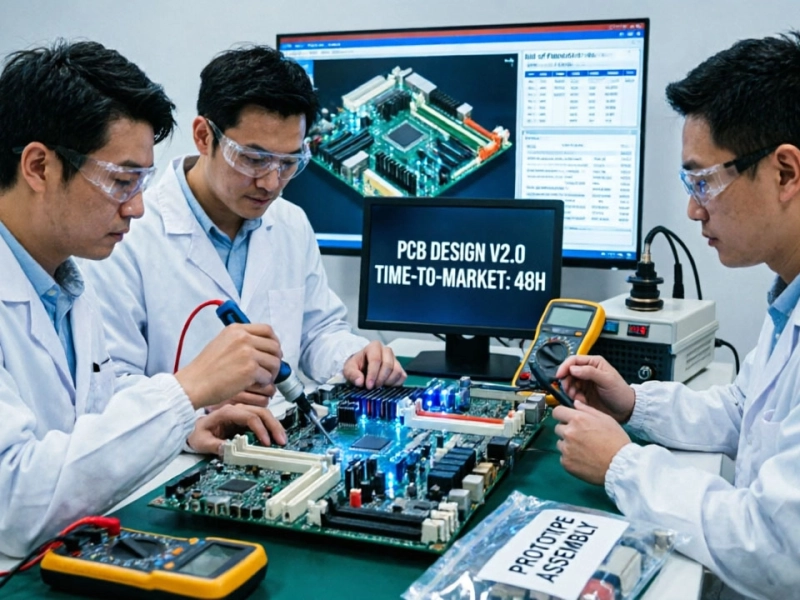
Accelerating Time-to-Market with Fast Prototype PCB AssemblyJune/10/2026

What Are the Benefits of Small Batch PCB Assembly?May/18/2026