Open Nav



In the fast-paced world of electronics manufacturing, the question isn't just about cost anymore; it is about speed and adaptability. Many engineers and procurement managers often ask: how flexible are Low Volume PCB Assembly manufacturers? The short answer is: incredibly so. Unlike traditional mass production lines that require massive setup times and rigid processes, low-volume specialists thrive on change. They are built to handle High-Mix, Low-Volume (HMLV) demands, offering a strategic advantage for startups, medical device innovators, and aerospace engineers alike.
This article explores the true extent of flexibility in modern PCB assembly. We will look at real-world operational differences, supply chain dynamics, and why choosing a flexible partner can save your project from costly delays. If you are tired of hearing "no" from big factories because your order is too small or complex, this guide is for you.
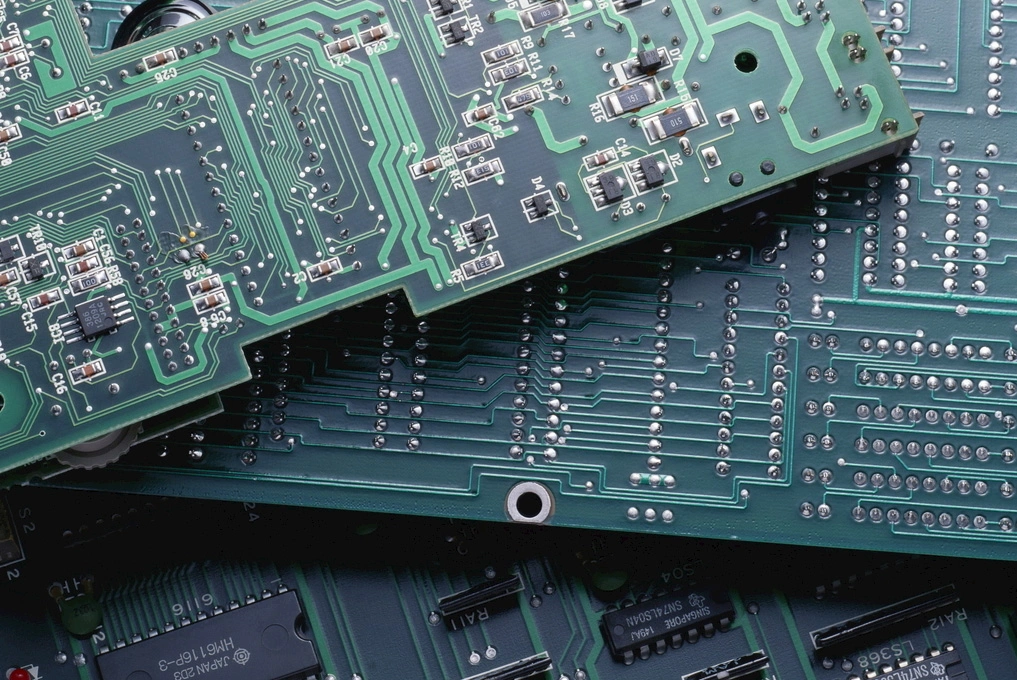
Flexibility in PCB assembly refers to a manufacturer's ability to switch between different product designs, component types, and board specifications with minimal downtime. It is not just about making fewer boards; it is about handling variety.
High-Mix, Low-Volume (HMLV) production is the industry term for this agile approach. Here is why it matters:
From my experience working with various EMS providers, the mindset differs significantly. Mass producers view change as a disruption. Low-volume partners view change as the default state. This cultural difference is what makes them truly flexible.
One of the biggest misconceptions is that low-volume manufacturers struggle with component sourcing. In reality, their flexibility often exceeds that of high-volume giants when it comes to niche or hard-to-find parts.
How a factory buys materials is a key difference in their operational flexibility:
For engineers, this means low-volume assemblers can adapt to last-minute component substitutions much faster. If a specific microcontroller is out of stock, a flexible assembler can help you source an alternative and update the pick-and-place program quickly. A high-volume factory might take weeks to approve such a change.
Do not assume that "low volume" means "low tech." Modern low-volume PCB assembly manufacturers are equipped with the same high-end machinery as mass producers. In fact, they often specialize in complex, high-value boards that require precise attention.
Many low-volume lines are fully equipped for High-Density Interconnect (HDI), rigid-flex, and fine-pitch assembly. These technologies demand high precision and rigorous quality controls.
I recall a project involving a medical imaging device where we needed a rigid-flex prototype with impedance control. The large contract manufacturer quoted a 12-week lead time due to "line scheduling issues." A specialized low-volume partner delivered it in 10 days. Their flexibility wasn't just about speed; it was about prioritizing complex, low-quantity work over commodity production.
Flexibility also extends to the pre-production phase. Low-volume manufacturers often provide deeper engineering support, acting as a partner rather than just a vendor.
Design for Testing (DFT) and Design for Manufacturing (DFM) are critical. In a flexible engagement model:
This level of collaboration is rare in high-volume settings, where the goal is to minimize human intervention and maximize automation throughput. For new product introductions (NPI), this human touch is invaluable.
While the unit price of a low-volume PCB assembly is higher than mass production, the total cost of ownership can be lower when you factor in flexibility and risk.
High-volume production often requires expensive tooling, such as custom pallets and large-scale stencils. Low-volume manufacturers eliminate the need for high initial investments. They use universal carriers and flexible fixturing systems. This means you pay less in Non-Recurring Engineering (NRE) costs, making it affordable to run multiple pilot batches.
One of the biggest risks in electronics is overproduction. If you order 10,000 units and find a bug in the firmware, you are stuck with 10,000 defective boards. With low-volume assembly, you can order 50 units, test them, fix the issue, and then order the next batch. This agility protects your capital and ensures that only verified, high-quality products reach the market.
Moreover, flexible manufacturing supports stronger product differentiation. You can create multiple variants tailored to niche markets without retooling for mass production. This is essential for industries like industrial automation, where custom equipment is the norm.
So, how flexible are Low Volume PCB Assembly manufacturers? They are the backbone of innovation in the electronics industry. Their ability to handle high-mix, low-volume production with speed, precision, and engineering support makes them indispensable for modern product development.
Whether you are building a single prototype, validating a concept for investors, or producing specialized niche-market devices, a flexible manufacturing partner offers significant advantages. They reduce inventory risk, accelerate time-to-market, and provide the technical expertise needed for complex builds.
As we move further into 2026, the trend towards miniaturization, IoT integration, and customized electronics will only grow. Manufacturers who can adapt quickly will win. Do not let rigid production models slow down your innovation. Choose a partner who values flexibility as much as you do.
Q: Can low-volume manufacturers handle high-tech boards like HDI?
A: Yes, absolutely. Many low-volume lines are equipped with advanced SMT machines capable of handling HDI, rigid-flex, and fine-pitch components with the same quality standards as high-volume lines.
Q: Is low-volume PCB assembly more expensive?
A: The unit cost is higher, but the total cost is often lower due to reduced NRE fees, lower inventory risk, and the ability to catch errors early. It is cost-effective for prototyping and niche production.
Q: How fast can I get my boards from a flexible manufacturer?
A: Turnaround times can be as fast as 24-48 hours for prototypes, depending on the complexity and component availability. Standard low-volume runs typically take 5-10 days.
Q: What is the main benefit of HMLV production?
A: The main benefit is agility. It allows companies to respond to market shifts, iterate designs quickly, and produce specialized variants without the heavy investment required for mass production tooling.
How to Evaluate a Reliable Prototype PCB Assembly PartnerJuly/29/2026
Wave Soldering vs. Selective Soldering for Through-Hole Components: Which Process Wins?July/15/2026
FAQ: Can You Assemble Boards with Components on Both Sides?July/22/2026
How Long Does Prototype PCB Assembly Usually Take?July/09/2026

How to Calculate the ROI of Outsourcing Your PCB AssemblySeptember/04/2026