Open Nav



Modern vehicles depend on increasingly complex electronic systems. From engine management and safety controls to infotainment and autonomous driving features, automotive electronics require PCBs that perform flawlessly under demanding conditions. A single failure in a critical system can have serious consequences—making PCB assembly quality non-negotiable in this industry.
Automotive electronics operate in harsh environments. Temperature extremes, vibration, moisture, and electrical noise stress components constantly. PCBs must maintain electrical integrity across thousands of hours of operation, often with zero tolerance for failure.
This article explores what high-reliability PCB assembly services offer for automotive applications, the standards that govern them, and how to select the right manufacturing partner for your automotive electronics needs.
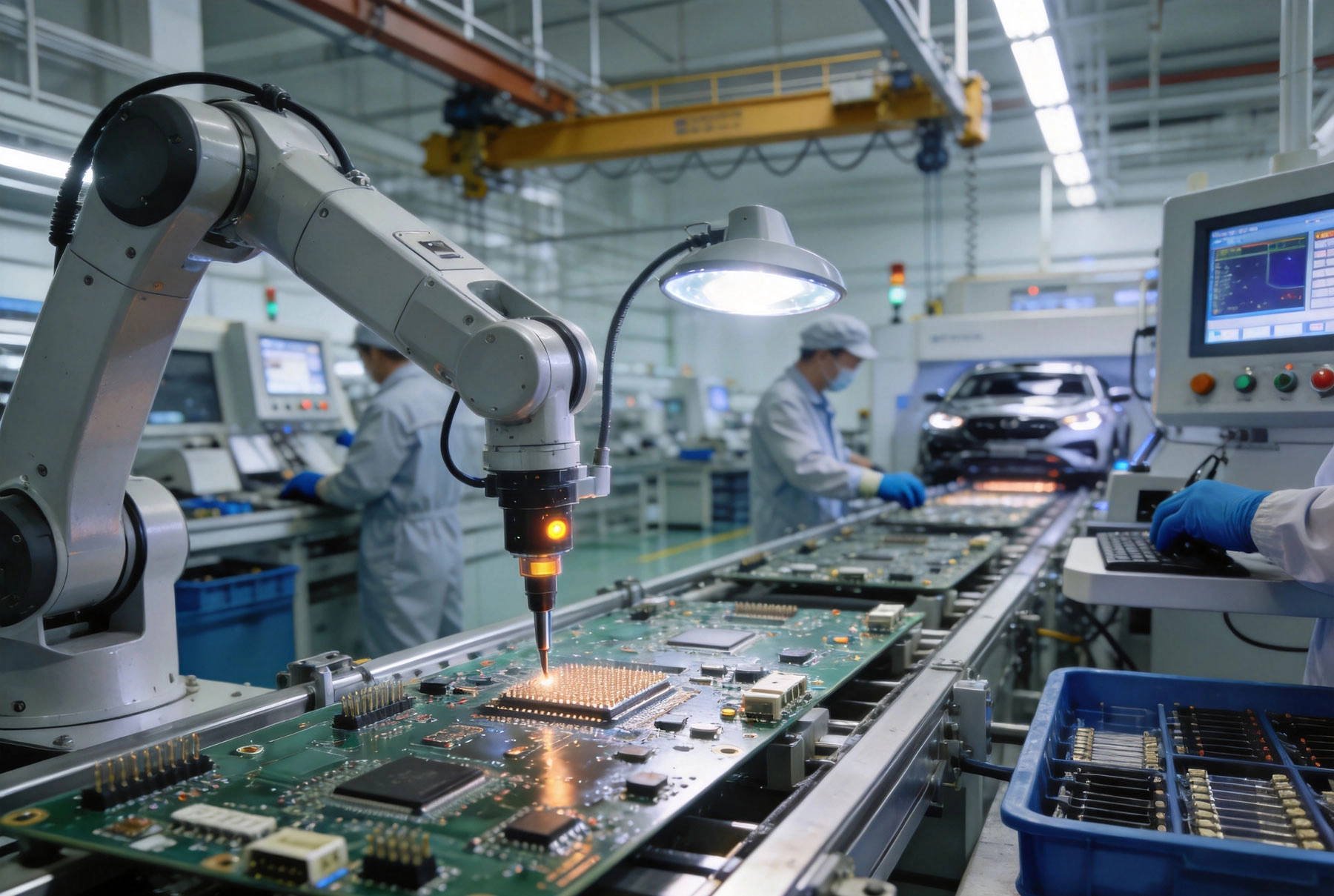
Automotive electronics differ fundamentally from consumer or industrial applications. When a smartphone glitches, you restart it. When an automotive electronic system fails, consequences range from inconvenient to catastrophic.
Consider the systems relying on PCBs in modern vehicles:
Each of these systems requires PCBs that meet specific reliability standards. Failure isn't just a quality metric—it's a safety issue that can result in recalls, liability claims, and reputational damage.
The automotive industry has developed rigorous standards for electronic components and assemblies. Understanding these standards helps you evaluate potential manufacturing partners.
IATF 16949 is the international quality management standard for the automotive industry. Any serious automotive PCB manufacturer must hold this certification. It establishes requirements for:
When evaluating suppliers, ask for their IATF 16949 certificate and verify its current status. Certification demonstrates a manufacturer's commitment to systematic quality management.
The Automotive Electronics Council (AEC) publishes qualification standards that define component reliability requirements. Key standards include:
While these standards apply primarily to components, they inform the stress testing and qualification requirements that automotive assemblies must withstand. Your manufacturing partner should understand these requirements and design their processes accordingly.
PPAP defines the documentation and testing requirements for new parts entering automotive production. Level 3 PPAP—the most common requirement—includes:
A competent automotive PCB Assembly Service should guide you through PPAP requirements and handle most of the documentation burden.
Meeting automotive standards requires more than documentation—it demands rigorous process controls throughout manufacturing. Here are the key areas where high-reliability automotive assemblers focus their attention.
Solder joints form the electrical and mechanical connections in every PCB assembly. In automotive applications, joint reliability under thermal cycling and vibration is critical.
High-quality automotive assemblers control solder paste through:
The reflow oven profile—the temperature curve solder paste experiences during assembly—significantly impacts joint quality. Different solder alloys, component packages, and board designs require specific profiles.
Automotive assemblers typically:
Electrostatic discharge can damage sensitive automotive components. While ESD control matters in any electronics assembly, automotive suppliers typically implement more stringent controls:
Automotive PCBs typically require multiple inspection stages. A comprehensive approach might include:
The most perfectly assembled PCB fails prematurely if it contains unreliable components. Automotive electronics require careful component selection and supply chain management.
Source components that carry AEC-Q qualification. These components have undergone environmental stress testing that simulates automotive operating conditions, including:
Using non-AEC qualified components in automotive applications introduces significant reliability and liability risk.
Automotive products often have extended lifecycles—some vehicles remain in production for 10-15 years, and components may need to be available throughout that period plus additional years of service and spare parts.
Work with assemblers who understand automotive lifecycle requirements and can help you:
Automotive standards require traceability to the component level. If a defect emerges, you must be able to identify which production lots contained problematic components.
Your manufacturing partner should maintain records of:
Beyond production inspection, automotive PCB assemblies often require environmental and reliability testing during qualification and occasionally during production.
Effective testing requires boards designed for accessibility. During design, consider:
Selecting a manufacturing partner for automotive electronics requires evaluating multiple factors beyond simply who offers the lowest price.
Certification and Compliance
Process Capability
Experience and Track Record
Supply Chain Capabilities
Companies new to automotive electronics sometimes make mistakes that cause costly problems later.
Choosing based solely on price — The cheapest automotive assembler often isn't truly automotive-qualified. Hidden quality gaps create risk that exceeds any cost savings.
Skipping design reviews — Automotive-specific design considerations—derating, thermal management, DFMEA—should be addressed before manufacturing. Fixing problems after tooling is expensive.
Insufficient qualification testing — Shortcuts on qualification testing create risk that emerges during production or, worse, in the field.
Poor documentation practices — Automotive customers require extensive documentation. Assemblers unfamiliar with these requirements may struggle to meet expectations.
Automotive electronics demand PCB assembly services that go far beyond standard commercial manufacturing. The combination of stringent quality standards, rigorous process controls, comprehensive testing, and thorough documentation creates an environment where only experienced, properly equipped manufacturers can reliably deliver.
When selecting a manufacturing partner, look beyond certifications to evaluate their actual experience with automotive applications, their process capability data, and their understanding of automotive requirements. The right partner becomes a strategic asset who helps you navigate the complexities of automotive electronics production.
Investing in quality from the start protects your products, your customers, and your reputation. In automotive electronics, reliability isn't a feature—it's a requirement.
IATF 16949 certification is the fundamental requirement for automotive quality management systems. Beyond this, assemblers may hold additional certifications such as ISO 14001 (environmental management) or specific customer approvals. Always verify current certification status and scope.
Automotive assembly involves stricter process controls, more comprehensive testing and inspection, complete traceability requirements, and higher documentation standards. Automotive assemblies must also meet specific environmental and reliability testing requirements defined by AEC standards and OEM specifications.
PPAP (Production Part Approval Process) is a standardized documentation package that proves a supplier can manufacture parts consistently to customer requirements. If you're supplying automotive OEMs or Tier 1 suppliers, PPAP Level 3 is typically required before production shipments begin.
Automotive-grade components carry AEC-Q qualification (AEC-Q100 for ICs, AEC-Q101 for discretes, etc.) and are sourced from established automotive component suppliers. These components have undergone specific stress testing that commercial-grade parts skip. Always request documentation confirming AEC qualification.
Field failures in automotive applications can trigger recalls, warranty claims, and liability issues. This is why automotive manufacturers require comprehensive traceability—to identify affected production lots quickly and limit the scope of any corrective action. Your manufacturing partner should have documented procedures for handling field failure investigations.

IoT Device Manufacturing: Speed and Efficiency in PCBAAugust/03/2026
The Importance of Fiducial Marks and Tooling Holes in PCBAAugust/12/2026
Reducing Risk in Electronics Manufacturing with Full Turnkey ServicesAugust/15/2026

Offshore vs. Domestic PCB Assembly Services: Analyzing the Trade-offsJuly/16/2026
Full Turnkey Solutions: Simplifying Your Supply Chain ManagementSeptember/09/2026