Open Nav



Small batch SMT PCB assembly presents unique challenges that differ fundamentally from high-volume production. When you're building anywhere from a handful to a few hundred boards, every design decision, component choice, and process optimization carries disproportionate weight on your per-unit cost. The good news: with the right strategies, you can achieve assembly economics that make your project viable without sacrificing the quality your product demands.
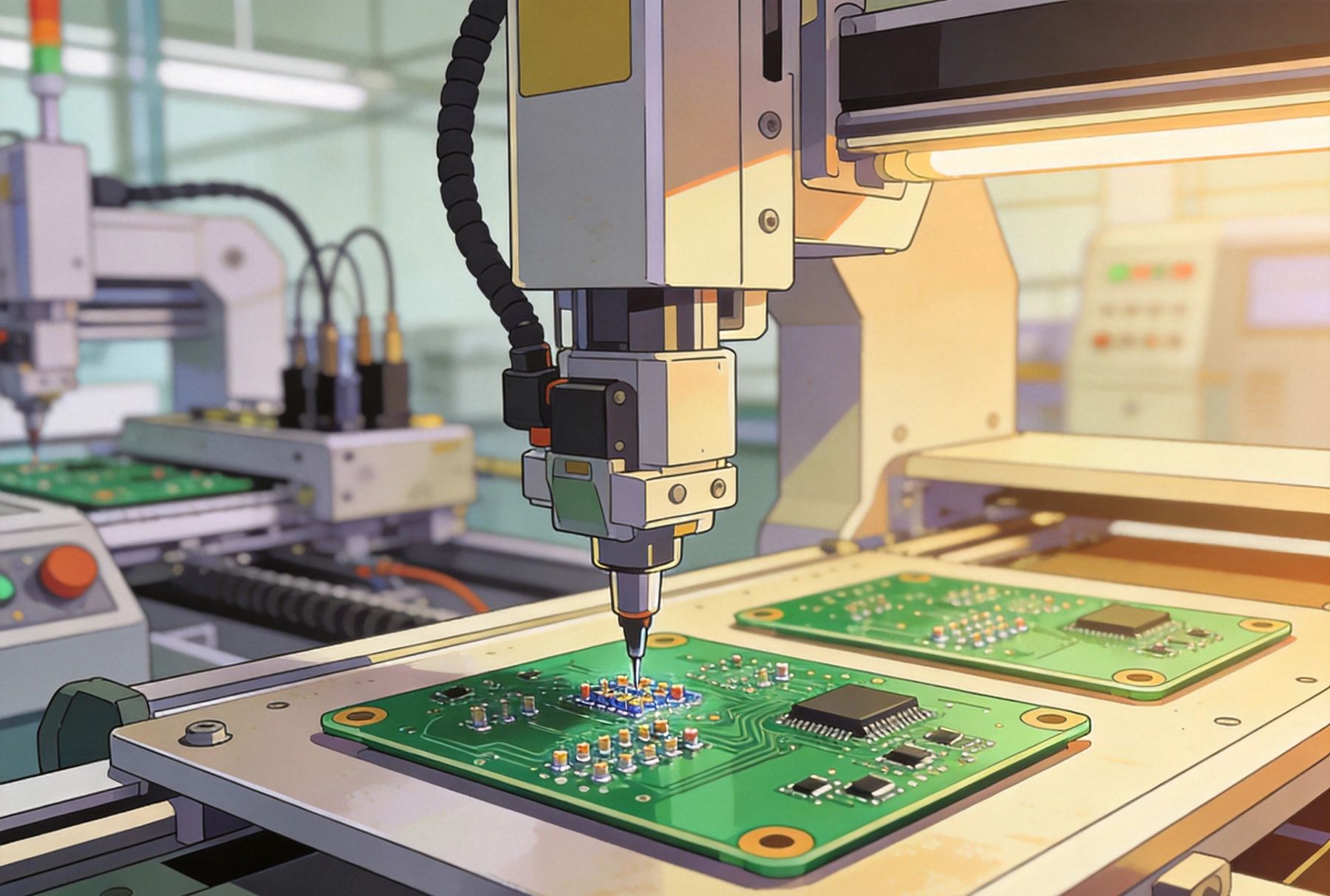
Before diving into specific strategies, it's worth understanding why small batch assembly costs behave the way they do. Unlike high-volume manufacturing where machine runtime dominates costs, small batch assembly carries significant fixed overhead that gets spread across fewer boards. Setup time, programming, inspection, and board handling represent a larger percentage of total cost when production quantities are low.
This reality means that cost reduction in small batch assembly isn't about cutting corners—it's about reducing setup burden, streamlining changeovers, and making smart design choices that keep your boards manufacturable at any volume.
One of the most effective ways to reduce small batch costs is through smart panelization. Rather than shipping individual boards, arranging your designs in manufacturing panels allows assembly houses to process multiple boards in a single setup. This dramatically reduces the per-board cost of setup operations.
When designing your panel, consider incorporating mouse bites or V-scoring for separation, depending on your assembly partner's capabilities. Mouse bite tabs work well for boards that will be manually separated, while V-groove scoring suits applications requiring cleaner edges. Some designs benefit from depanelization tabs that hold boards in place during assembly while allowing easy separation afterward.
Panel utilization rates directly affect your cost. A panel that's 60% utilized wastes money on material and processing. Designing panels that maximize the available manufacturing area—you typically want utilization above 80%—reduces both material waste and per-board processing costs.
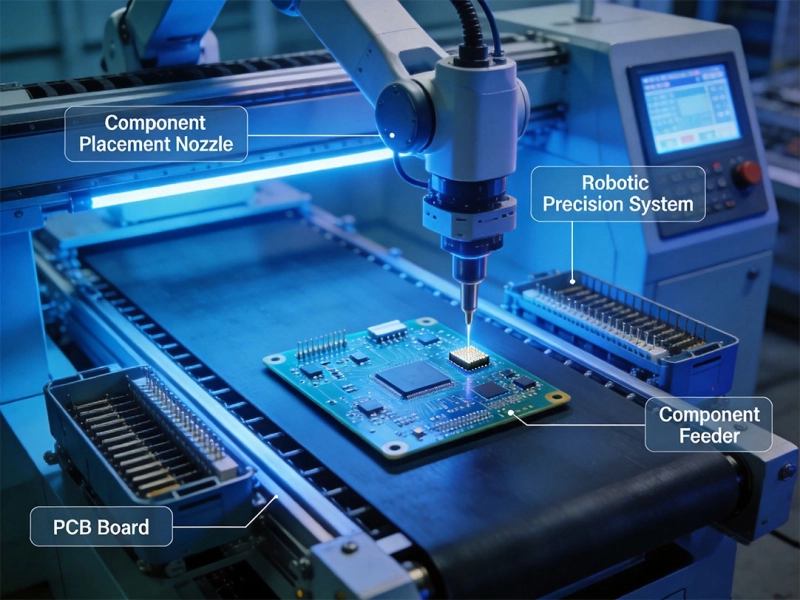
The variety and type of components you choose significantly impacts assembly cost. Surface mount components come in standardized packages that vary widely in how easily they can be handled by automated equipment. Components in standard packages like 0402, 0603, 0805, and common IC packages are processed quickly and reliably by standard SMT equipment.
Avoiding odd-form components—parts that don't fit standard feeder configurations—prevents manual assembly surcharges. If your design requires non-standard components, consider whether alternatives in standard packages exist. When odd-form parts are unavoidable, consolidating them to a single side of the board reduces handling complexity.
QFN (Quad Flat No-lead) and BGA (Ball Grid Array) packages require precise stencil printing and reflow profiling but remain cost-effective for small batches when your assembly partner has experience with these packages. Always communicate package types to your assembler early so they can prepare appropriate tooling.
Every unique component on your BOM introduces potential for waste, misplacement, and setup time. Reducing component variety—using the same resistor or capacitor values across multiple locations—simplifies feeder setup and reduces the chance of component shortages derailing your build.
Consider standardizing on common values from preferred manufacturer libraries. Using five different resistor values across 50 placements costs less than 50 unique resistor values, even if the total number of resistors is identical. Your design software likely supports value reuse across the schematic, making this optimization relatively straightforward during initial design.
Component availability varies dramatically across the supply chain. Parts marked as "last time buy" or those with extended lead times can dramatically increase both cost and schedule risk for small batch assembly. Checking component availability during the design phase—before you commit to a BOM—prevents painful surprises during production.
For small batches, paying premium prices for expedited component delivery often makes economic sense compared to delaying an entire project. However, building buffer stock of critical components during initial procurement prevents future assembly runs from being delayed by supply chain issues. Even small quantities of excess components represent a fraction of your total product cost when spread across future production runs.
Authorized distributors like Digi-Key, Mouser, and Arrow provide component authenticity guarantees and consistent quality but often charge premium prices. Independent brokers may offer 20-40% cost savings but introduce counterfeit risk. For production builds where reliability matters, authorized distribution provides insurance that usually justifies the price premium.
A pragmatic approach: source standard passives and common ICs from authorized distributors, reserving broker sources for hard-to-find parts where no authorized option exists. Always verify broker components before assembly, and factor verification costs into your overall cost calculation.
Well-designed pad geometries reduce assembly defects and improve first-pass yield—the percentage of boards that pass inspection without rework. For small batches, every defect requiring rework adds significant cost, making first-pass yield particularly important.
IPC standards define recommended pad sizes for each component package, and following these guidelines significantly reduces assembly problems. Pad width should match the component termination, with pad length extending slightly beyond to improve solder fillet formation. Anti-solder mask defined (NSMD) pads generally work better for fine-pitch components, while solder mask defined (SMD) pads provide better mechanical support for larger components.
Thermal relief connections to planes ensure adequate solder flow during reflow while maintaining thermal conductivity. Incomplete thermal relief causes pad lifting or cold solder joints; excessive thermal relief starves the joint of solder. Most EDA tools provide configurable thermal relief settings—verify these match your assembly partner's recommendations.
Fiducial marks—precision tooling features used by pick-and-place equipment for alignment—significantly improve placement accuracy, particularly for fine-pitch components. Adding global fiducials in panel corners and local fiducials near dense component areas costs nothing in board space but can dramatically improve first-pass yield.
For small batches, your assembler may waive fiducial requirements for standard SMT components, but omitting them increases risk for fine-pitch parts like 0.5mm pitch BGAs or QFNs. The minimal cost of adding fiducials pays dividends in reduced placement errors and rework avoidance.
Solder paste stencil determines how much solder deposits on each pad, directly affecting solder joint quality. For small batches, laser-cut stainless steel stencils offer the best balance of cost and quality. Electroformed stencils provide superior paste release for fine-pitch applications but carry higher costs that rarely justify themselves for standard components.
Stencil thickness selection depends on your component pad geometry. Standard applications typically use 0.1mm to 0.15mm thick stencils. Fine-pitch components may benefit from laser-abraded apertures that improve paste release without requiring thinner stencils. Discuss aperture optimization with your assembly partner—they often have stencil design experience that can improve paste transfer efficiency.
Framed stencils work well for high-volume runs where the frame maintains tension. For small batches with variable panel sizes, frameless stencils offer flexibility but require careful handling to prevent damage. Some assembly houses maintain their own stencil库存 and may include stencil costs in their quoted pricing.
Not all contract manufacturers are equipped—or interested—in serving small batch customers. Large EMS companies often impose minimum order quantities that exclude prototype and low-volume production. Finding assembly partners that specialize in small batches, prototypes, and maintain flexible MOQs often proves essential for project economics.
When evaluating potential partners, ask about their minimum lot charges—flat fees that cover setup costs regardless of board quantity. These charges vary widely and can dramatically affect your per-board cost at low volumes. A manufacturer with higher per-board pricing but lower lot charges may prove more economical for your batch size.
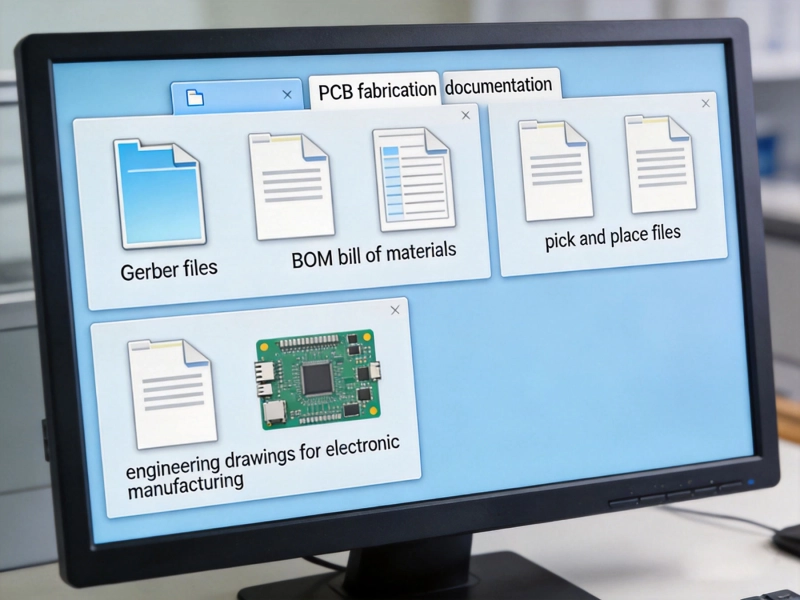
Clear communication reduces errors and rework. Providing complete documentation—including Gerber files, drill files, BOM with manufacturer part numbers, pick-and-place files, and assembly drawings—gives your assembler everything needed to build your boards correctly the first time.
Establish clear acceptance criteria before sending boards for assembly. Define what constitutes acceptable vs. defective solder joints, acceptable component placement tolerances, and any cosmetic standards that matter for your application. Without explicit criteria, disputes over marginal assemblies consume time and money that offsets any cost savings from choosing a lower-cost partner.
Comprehensive inspection adds cost but catches defects before they reach your customers. For small batches, the right inspection strategy depends on your product's reliability requirements and defect probability based on design complexity.
AOI (Automated Optical Inspection) catches most component placement and solder defects at reasonable cost per board. For standard SMT assemblies, AOI alone often provides adequate quality assurance. X-ray inspection becomes necessary for hidden joints in BGA and QFN packages, adding cost but providing confidence in buried solder connections.
Flying probe testing checks electrical connectivity without requiring custom test fixtures, making it economical for small batches. ICT (In-Circuit Testing) requires expensive fixtures but provides comprehensive electrical verification—usually reserved for higher-volume production where fixture costs amortize across many boards.
Regardless of inspection results, functional testing validates that your assembled board actually works. Building a simple functional test into your assembly process catches defects that visual inspection misses—wrong components, opens, and shorts that fall within acceptable visual parameters but cause functional failures.
For prototypes and small batches, having a test procedure ready before assembly simplifies bringing boards online. Even a basic power-on test that verifies critical voltages and functional indicators provides valuable feedback on assembly quality. Documenting test failures helps identify recurring issues that can be addressed in future production runs.
Rework operations—correcting defective solder joints, replacing components, and fixing placement errors—consume skilled technician time and introduce risk of additional damage. Every rework operation should be evaluated against the cost of simply rebuilding the affected board.
Common sources of rework in small batch assembly include tombstoning (components standing up on one end), insufficient solder, solder bridges between adjacent pads, and component placement errors. Addressing root causes—proper paste printing, accurate placement, appropriate reflow profiles—prevents rework more cost-effectively than improving rework techniques.
Building a few extra boards beyond your required quantity provides buffer for defects without requiring dedicated rework operations. The material cost of an extra board or two is often less than the labor cost of rework, particularly when rework might damage adjacent components or board areas.
Cost-effective small batch SMT assembly requires thoughtful planning across design, component sourcing, partner selection, and quality verification. The strategies outlined here—panelization, component optimization, DFM practices, and appropriate inspection—work together to reduce per-board costs without compromising the quality your product requires.
The most important principle: engage your assembly partner early and often. Their expertise in manufacturing optimization often exceeds what any article can provide. Share your constraints, volume expectations, and quality requirements upfront, and work collaboratively to find the most economical path to assembled boards that meet your needs.
The Hidden Costs of DIY PCB Assembly vs. Professional ServicesAugust/11/2026
Understanding IPC Standards in PCB Assembly ServicesAugust/06/2026
The True Cost of Poor Quality in PCB Assembly ServicesJuly/13/2026
What is PCB Assembly?May/19/2026
PCB Assembly FAQ: What Files Do I Need to Submit?June/17/2026