Open Nav



For hardware product teams, the relationship with your PCB assembly manufacturer is one of the most critical factors in your long-term success. Yet many companies treat their PCB suppliers as interchangeable, transactional vendors, switching between manufacturers every quarter to chase a 2% lower unit cost. This short-term approach often leads to higher total costs, quality inconsistencies, delayed product launches, and missed market opportunities. Building a long-term, strategic partnership with a trusted PCB assembly manufacturer can deliver far greater value over the lifecycle of your products, even if the per-unit cost is slightly higher in the short run.
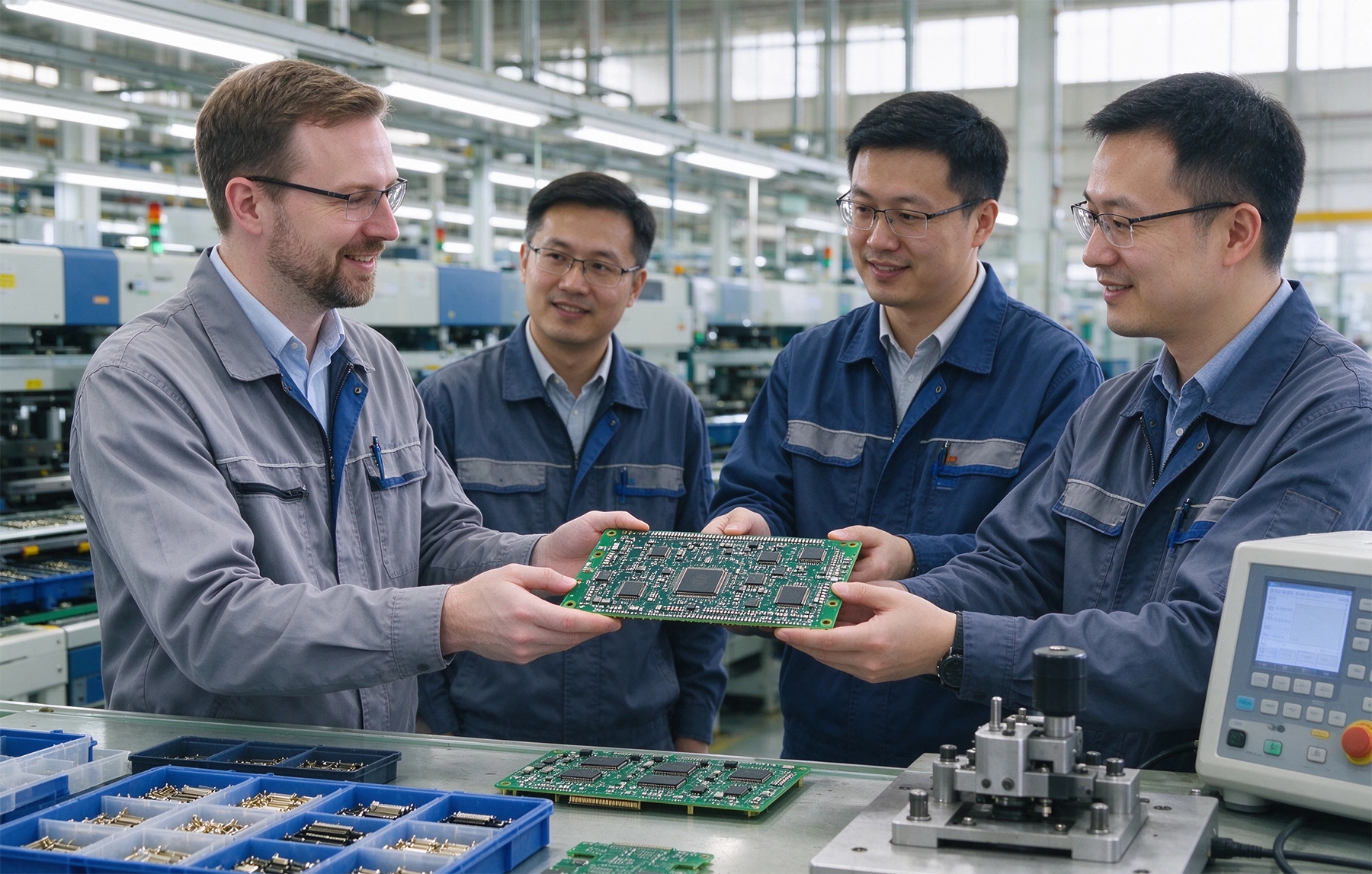
Before we explore the benefits of long-term partnerships, it's important to understand the hidden costs of constantly switching between PCB assembly vendors:
Companies that build strategic, multi-year partnerships with their PCB assembly manufacturers typically see 20-40% lower total production costs, 30% faster time to market for new products, and 50% fewer field failures compared to companies that use multiple transactional vendors. These benefits come from six key areas:
While a transactional vendor might offer a 2-3% lower per-unit price for a single order, long-term partners deliver cost savings that add up to far more over time:
For example, one of our long-term clients in the medical device industry has saved more than $2.1M in production costs over 5 years of working with us, thanks to these continuous improvement efforts.
When a manufacturer has produced thousands of units of your product over multiple years, they develop deep institutional knowledge of your design's unique requirements and potential failure points. This leads to:
This consistent quality is especially critical for industries with strict regulatory requirements, such as medical devices, aerospace, and automotive, where a single quality issue can lead to costly recalls or regulatory penalties.
Long-term partners get priority access to production capacity and engineering resources, leading to significantly faster lead times and greater flexibility when you need to adjust production volumes:
During the 2022-2023 component shortage, we were able to secure allocated component stock for 98% of our long-term partners, allowing them to continue production while many of their competitors faced 6+ month production delays.
When we work with a client long-term, our engineering team becomes an extension of your product development team, providing proactive support that helps you build better products faster:
One of our industrial IoT clients recently brought us a new product design during the early prototype phase, and our engineering team suggested 11 design changes that reduced the product's power consumption by 35% and production cost by 28%, before they even finalized the design.
Global supply chain disruptions have become increasingly common in recent years, from component shortages to shipping delays and trade policy changes. Long-term partnerships give you a significant advantage in navigating these disruptions:
During the 2021 global chip shortage, we worked with one of our automotive clients to identify alternative components for their PCB design, allowing them to continue production without interruption while their competitors faced 9-month production delays.
Working with a single long-term PCB assembly partner eliminates the administrative burden of managing multiple vendors:
Our clients typically reduce the time their operations teams spend managing PCB suppliers by 70% when they switch from multiple transactional vendors to a single long-term partnership.
Building a strong strategic partnership with your PCB manufacturer requires effort from both sides. Follow these five principles to create a mutually beneficial relationship that lasts for years:
Share your long-term product roadmap, production volume forecasts, and business goals with your manufacturer early in the relationship. The more they understand your business needs, the better they can plan capacity, allocate resources, and suggest improvements that support your goals. Be open about any challenges you're facing, whether it's component shortages, tight launch deadlines, or quality issues, so you can solve them together.
Long-term partnerships are built on mutual benefit. Don't constantly demand price reductions that would make the relationship unprofitable for your manufacturer, as this will lead to reduced quality and support. Pay invoices on time, provide accurate forecasts, and give reasonable notice when you need to adjust order volumes. A fair partnership where both sides make money will always deliver better results than a one-sided relationship where you squeeze your supplier for every last dollar.
Even with the best processes, quality issues or production delays will occasionally happen. When they do, focus on solving the problem together rather than assigning blame. Work with your manufacturer to identify the root cause, implement corrective actions, and prevent the issue from happening again. This collaborative approach will lead to far better long-term outcomes than punitive measures that damage the relationship.
Just like any other relationship, regular feedback is essential for improvement. Schedule quarterly business reviews with your manufacturer to discuss what's working well, what needs improvement, and your upcoming priorities. Recognize their team when they deliver exceptional results, whether it's hitting a tight launch deadline or suggesting a significant cost-saving improvement. This positive reinforcement will encourage them to continue investing in your success.
You don't need to move all your production to a new manufacturer on day one. Start with a small, low-risk project to evaluate their capabilities, communication, and quality. Once you've built trust through several successful projects, gradually move more of your production to them, and eventually formalize the partnership with a long-term agreement that locks in pricing, capacity, and service levels for 1-3 years.
There are several common mistakes that can derail even the most promising PCB assembly partnerships:
Long-term PCB assembly partnerships deliver the most value for companies that:
If you only need a single one-off production run with no plans for future products, a transactional vendor relationship may be sufficient. But for most growing hardware companies, the benefits of a long-term strategic partnership far outweigh any short-term cost savings from switching vendors.
Contact us to discuss your requirements.
The Step-by-Step Journey of an SMT PCB Assembly LineJuly/27/2026

X-Ray Inspection: Detecting Hidden Defects in BGA and QFN PackagesAugust/10/2026
High-Reliability PCB Assembly Services for Automotive ElectronicsJuly/08/2026
The Evolution of Surface Mount Technology (SMT) in ElectronicsSeptember/20/2026
The Role of Quick-Turn PCB Assembly in Iterative DesignOctober/14/2026